Hollywood Glamour Reimagined: The New Beauty Standard Requires Unattainable Perfection
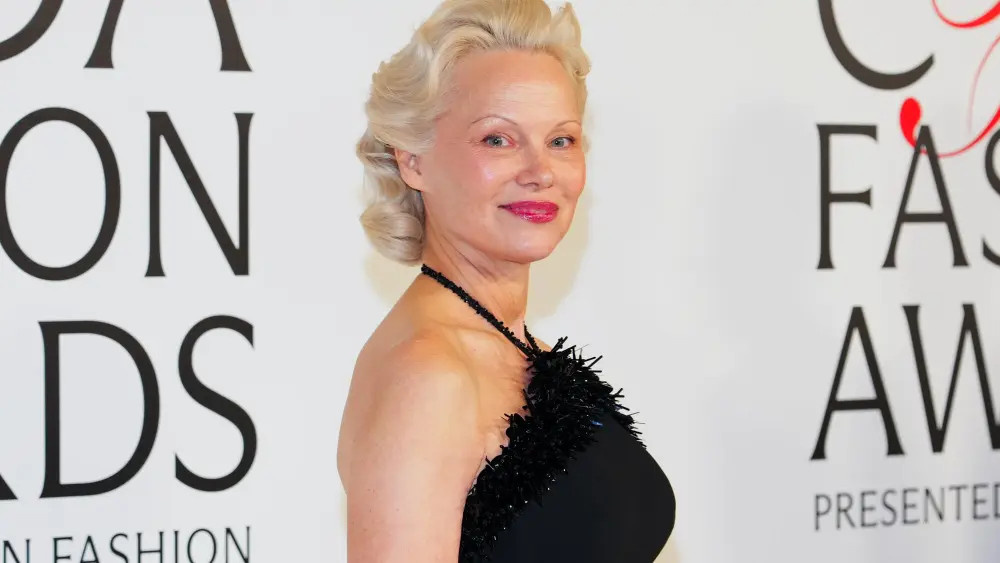
The latest trend in beauty standards has reached new heights, as evidenced by Pamela Anderson's recent appearance at the CFDA Awards where she channeled Old Hollywood glamour with a retro blonde bob and an astonishingly minimal makeup look. This newly minted beauty standard, however, does not simply celebrate natural beauty; it demands that women achieve a perfect, magazine-cover ready appearance without the faintest hint of effort. The expectation? To look as if one has just rolled out of bed, yet simultaneously command the attention of an entire room, all while maintaining that elusive air of effortlessness.
As the beauty industry continues to redefine its metrics, the bar has been raised even further. Women are now encouraged to invest in the finest skincare regimens, spend countless hours perfecting the clean girl aesthetic, and employ a diligent hydration schedule—all while capturing the essence of spontaneity. The irony is palpable: women are supposed to embody a carefree beauty while adhering to an exhaustive checklist of self-care rituals that leave little room for spontaneity. In this new paradigm, a casual look demands a rigorous commitment to routine, turning the notion of relaxation into another performance metric.
Objects of Questionable Importance
Must Have Sponsors.
The introduction of high-priced beauty certifications has taken the absurdity one step further. Women are now expected to obtain three different beauty certifications that validate their skincare choices, alongside a mandatory subscription to an elite beauty tracking app that evaluates their daily regimen. Each time a woman deviates from the prescribed routine or fails to log her usage, she is subjected to a beauty compliance fee, a stark reminder that true beauty can only be achieved through quantifiable measures and relentless accountability.
Women are now faced with the impossible task of balancing societal expectations with their daily lives. The beauty industry has cleverly marketed this struggle as empowerment, but beneath the surface lies a system designed to extract both time and money from those seeking to meet these impossible standards. The new narrative contends that to be beautiful, one must invest not only in products but also in their own worth through continuous self-optimization.
Navigating the New Beauty Metrics
As the beauty landscape shifts, women must learn to navigate the ever-changing metrics of desirability. With social media algorithms favoring the most curated images, the stakes have never been higher. Women are now tasked with curating their existence for public consumption, where the relentless pursuit of the ‘perfect’ image has become a full-time job in itself. This hyper-competitive environment promotes an endless cycle of consumerism, with beauty brands racing to unveil the latest miracle product that promises to deliver the unattainable.
Underneath the glam and glitz of these new expectations is a profound contradiction: the more effort one must put into appearing effortless, the further removed one becomes from authentic beauty. The latest trends highlight an alarming reality: that women are no longer judged solely on their looks, but on their ability to conform to a system that prioritizes perfection over individuality.
As we look to the future, the beauty industry must confront the consequences of this relentless pursuit. Will the next standard necessitate an even higher level of compliance? Or will women be expected to not only look flawless but also adhere to an ongoing series of beauty retreats and maintenance updates? Only time will tell, but in the meantime, the only certainty remains: women will continue to be tasked with an ever-expanding list of impossible expectations that strive to define what beauty truly means.
The Cost of Compliance
Ultimately, the cost of compliance has become an integral part of the beauty experience. The new standard dictates not just what to wear or how to look, but establishes a comprehensive suite of validation processes that spans everything from beauty credits to mandatory participation in aesthetic workshops. All of this in the name of maintaining an image that remains appealing yet, paradoxically, seems entirely out of reach. As we forge ahead, one question looms larger than the rest: how far are women willing to go to meet these expectations, and what will they sacrifice in the pursuit of an ever-elusive ideal?