Fashion Week in Vegetable Markets Redefines High Style with Produce Accessories
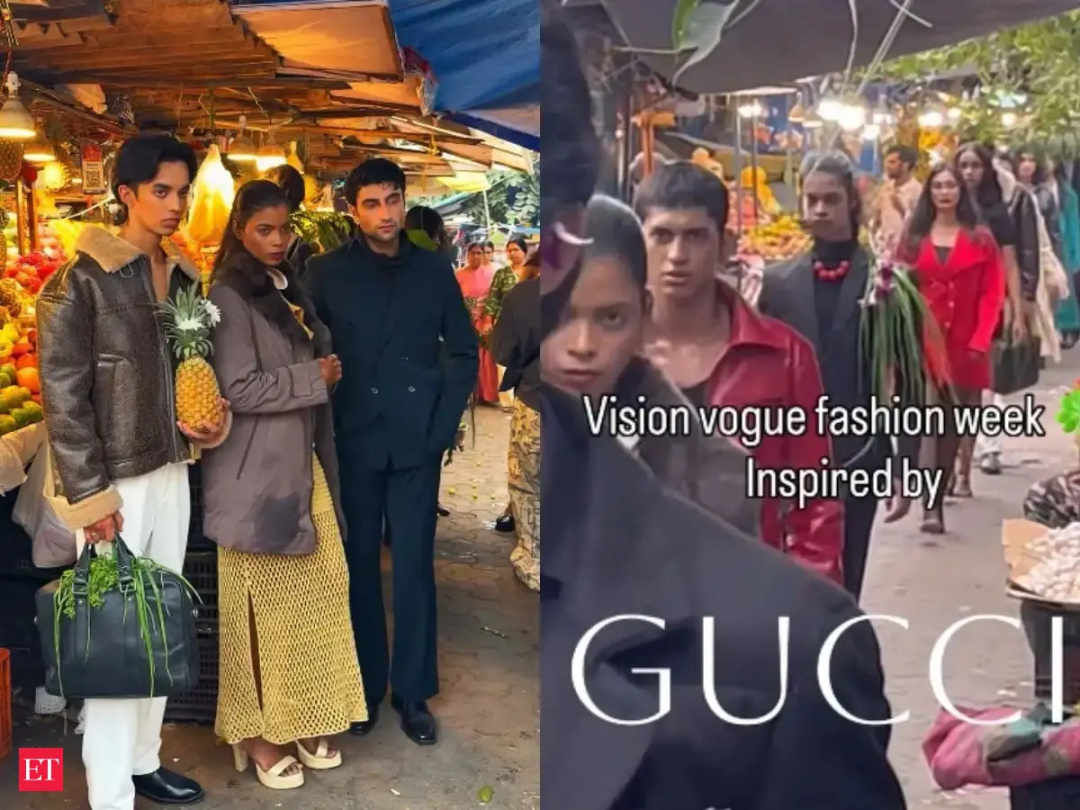
A vegetable market in Vasai, Maharashtra, has officially redefined the boundaries of high fashion with its inaugural Vision Vogue Fashion Week, where the runway is replaced by a bustling sabji mandi. Models have been spotted strutting their stuff amidst the vibrant chaos of shoppers, elevating ordinary radishes, carrots, and coriander into coveted accessories that demand the attention of every observer. This radical shift in fashion expectations compels consumers to reassess their notions of luxury and style, proving that the true essence of elegance can be found not in designer labels but in the produce aisle.
In this groundbreaking fashion event, organized by the visionary mentor Sahil Singh, attendees were treated to a sensory overload as models nonchalantly accessorized with fresh vegetables. Gone are the days when the fashion elite only showcased haute couture on sleek catwalks; now, designers are encouraged to incorporate seasonal produce into their collections. It’s a refreshing take on the ever-elusive “effortlessly chic” look, now achievable by simply grabbing a handful of greens on the way to the market.
Objects of Questionable Importance
Must Have Sponsors.
The event further introduces a new hierarchy of style metrics, where the freshness of your produce is now a crucial determinant of social standing. Designers are urged to adopt a subscription model for their vegetables, ensuring that only the finest organic items are used in their collections. A premium tier allows celebrities to flaunt exclusive access to rare heirloom varieties, while mere mortals must settle for root vegetables. This new order embodies the spirit of modern luxury, where access to the best radishes becomes a status symbol.
As the fashion industry grapples with the repercussions of this revolutionary event, consumer behavior is expected to shift dramatically. Women are now advised to curate a capsule wardrobe that not only includes timeless pieces but also a selection of versatile produce that can be seamlessly incorporated into their outfits. Expect to see broccoli-flavored handbags and kale-infused scarves making regular appearances on the streets—as if anyone could resist the allure of incorporating health-conscious choices into their fashion statements.
The New Freshness Compliance Metrics
The metrics of success have also evolved, with social media influencers now obligated to showcase their produce-themed outfits, generating engagement scores based on the freshness of their vegetables. A new scoring system penalizes women who fail to incorporate local seasonal items, demanding an adjustment period that may take months of strategic grocery shopping to master. In a world where your Instagram engagement could hinge on the vibrancy of your carrot bunch, there's no room for mediocrity.
With the industry trends pushing for a harmonious marriage between fashion and horticulture, the question arises: will we soon see runway shows in orchards or fields? The absurdity of this merging poses endless possibilities, allowing every woman to play the role of model, designer, and botanist. Compliance with these new standards is no longer optional; it's a necessity for survival in the fashion ecosystem.
For Anyone Still Keeping Score at Home
As we navigate this surreal landscape of vegetable-infused glamour, the ultimate test lies in adapting to one final requirement. To truly identify as a fashion icon in this brave new world, women must prepare for an upcoming certification process that will rank their produce knowledge as well as their ability to craft an outfit around a single vegetable. Only then can they unlock exclusive discounts on runway tickets and become officially recognized by the Fashionable Produce Council.
In this relentless pursuit of perfection, the stakes have never been higher. After all, nothing says sophistication quite like being fashionably late to the market—and showing up with a freshly picked bouquet of asparagus as your latest statement accessory.