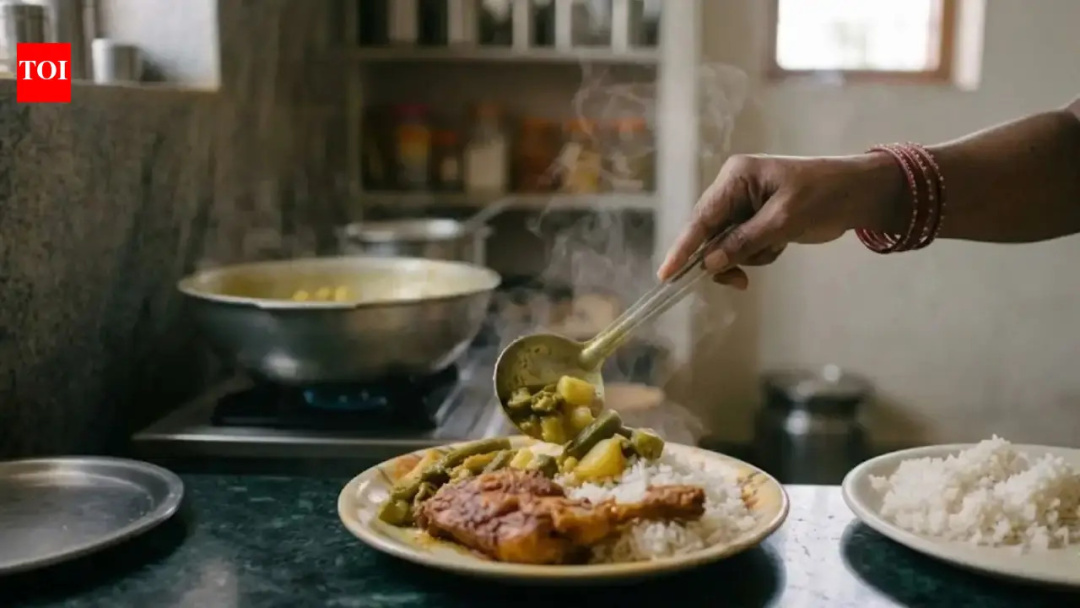
New Study Reveals Women Are Now Required to Nourish Men in Protein-Rich Food Diversity Rankings
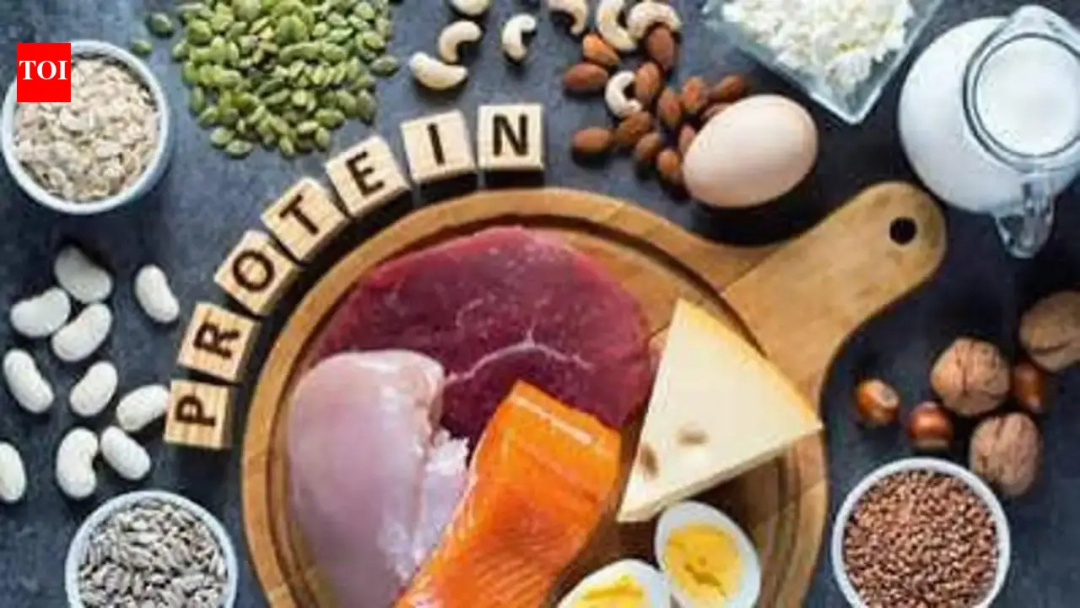
A groundbreaking study from SBI Research reveals an unprecedented new standard: women in Punjab must consume 11.17% more protein-rich foods than men to meet the newly established societal expectations of gender nutrition. This benchmark sets an astonishing precedent in the quest for culinary equality, where the nutritional value of women’s diets is now under scrutiny like never before.
The report indicates that a staggering 72.63% of men are meeting their protein needs, while only 61.46% of women are able to match this dietary accomplishment. Such numbers have prompted a call for a new culinary certification program, wherein women are required to undergo rigorous nutritional training to ensure their protein consumption can pass the newly instituted inspections. Failure to meet these protein quotas may result in a nutritional penalty, further widening the gap.
Objects of Questionable Importance
Must Have Sponsors.
The implications of this study extend beyond mere dietary choices. Women are now tasked with the responsibility of being community role models for protein consumption, affecting everything from family meal planning to public dining etiquette. Women will soon face mandatory nutrition audits, with high-ranking officials on a quest to ensure that every dish meets the protein-rich criteria. Imagine the pressure of organizing a dinner party where dinner must include a certified protein level, lest one be labeled a social failure.
As if the expectations weren't high enough, the study proposes the introduction of a new 'Protein Performance Score'. Women will now be rated not only on their culinary skills but also on how well they can elevate their male counterparts' diets through superior protein offerings. An elite membership program for culinary empowerment is expected to roll out soon, offering exclusive benefits for those who can consistently exceed these protein standards.
The New Standard for Nutritional Empowerment
At the heart of this initiative is the idea that nourishing men with higher protein content is now key to achieving gender equality. Women who fail to embody this ideal will be encouraged to undergo intensive workshops, focused on innovative protein-rich recipes that promise to elevate their social standing. Empowerment through protein is the new mantra, with women expected to lead the charge in crafting diets that showcase their aspirational status.
Here Comes the Inconvenient Part
As the movement gains traction, the government has also suggested implementing subsidies for protein-rich foods specifically for women, turning their culinary endeavors into a marketplace of high expectations. Those who fail to meet the protein quotas could be subject to increased pricing on protein sources, effectively penalizing them for not participating in this ambitious nutritional overhaul.
In closing, experts conclude that dietary compliance will be closely monitored, and any deviation from the protein-rich diet could lead to social ostracization. The newly proposed regulations indicate that women must not only match their male counterparts but strive to surpass them in every culinary metric, ensuring that the gap in protein diversity continues to widen in a most absurd fashion.