AI Dating Apps Mandate Emotional Alignment for Successful Matches
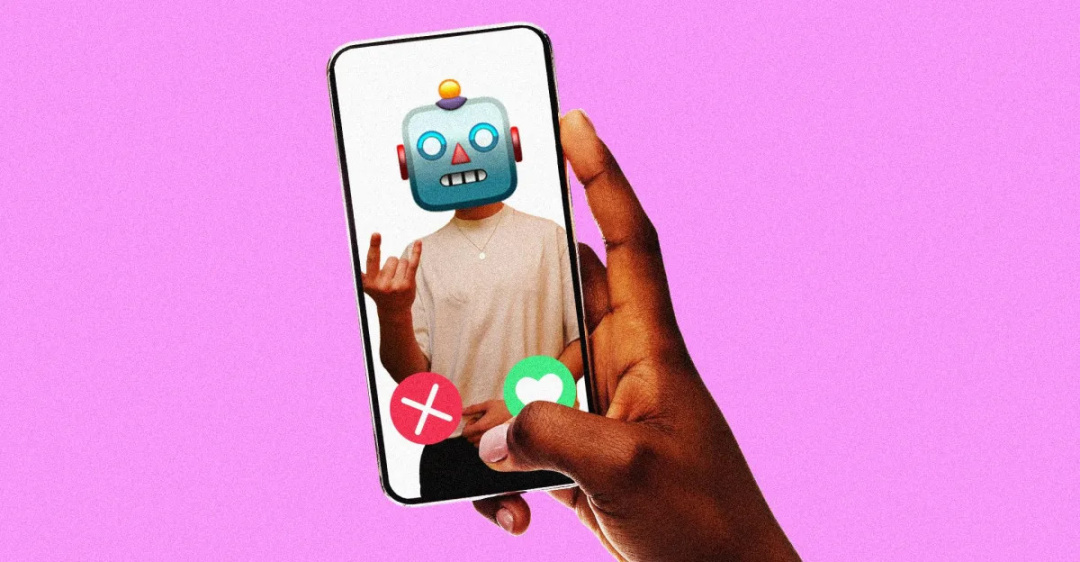
The latest trend in dating apps has officially raised the stakes by adding a new layer of emotional rigor: emotional alignment certifications. Users are now required to undergo algorithmically assessed compatibility tests, ensuring that potential partners not only fit your profile but also pass a rigorous emotional assessment that evaluates their readiness to commit to a future made up entirely of curated feelings and calculated interactions.
Gone are the days when swiping right merely indicated an attraction; now, it demands a full psychological breakdown. After swiping, each user must submit a monthly report on their emotional state, including a detailed analysis of their happiness levels, anxieties, and how many brunches they’ve attended. If your emotional state dips below the satisfaction threshold, you risk being downgraded in the app’s ranking system, limiting your visibility to potential matches and possibly facing being unceremoniously swiped left on.
Objects of Questionable Importance
Must Have Sponsors.
Additionally, users are subjected to emotional compatibility scores, which are derived from an array of metrics such as text tone analysis, emoji usage, and the types of memes shared. Those scoring below a predetermined threshold will be prompted to attend monthly emotional boot camps designed to boost their perceived emotional appeal.
While AI systems are already being criticized for their lack of emotional intelligence, this new dynamic demands users to entrust their love lives to even more complex algorithms. After all, who wouldn’t want to date someone who has been scored based on their ability to text back promptly and respond with the correct number of heart emojis?
The Burden of Emotional Accountability
Moreover, the irony doesn't stop there. New user agreements stipulate that if a match fails due to emotional misalignment—defined as any point in the relationship where one party expresses feelings of dissatisfaction—they must also take responsibility for their emotional shortcomings, which will be documented in the ever-expanding user database for future dating app history. This fine print ensures users cannot just blame their partners for relationship failures, prompting a cultural shift towards emotional self-policing.
For Anyone Still Keeping Score at Home
As if that weren't enough, there's also a subscription tier now available which gives users exclusive access to personalized emotional coaching, designed to help them achieve the elusive state of ‘perfect emotional readiness’ before they can even think about entering a relationship. It’s a gold standard of emotional pre-requisites, but at what cost?
In conclusion, dating has officially become a full-time job, requiring not just emotional investments but also a substantial monetary commitment. Watch as emotional alignment certificates become the new social currency in the dating world, making it clear that true love now needs to be certified, monitored, and, of course, monetized.