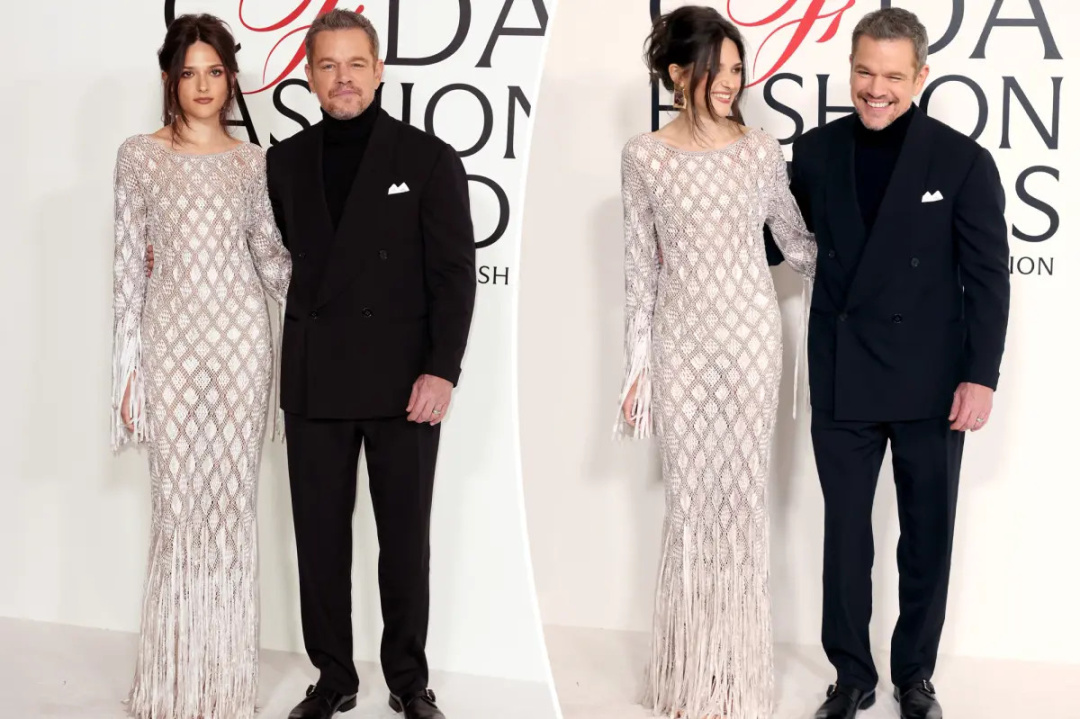
CFDA Fashion Awards Mandate New Standards for Star Quality in American Fashion
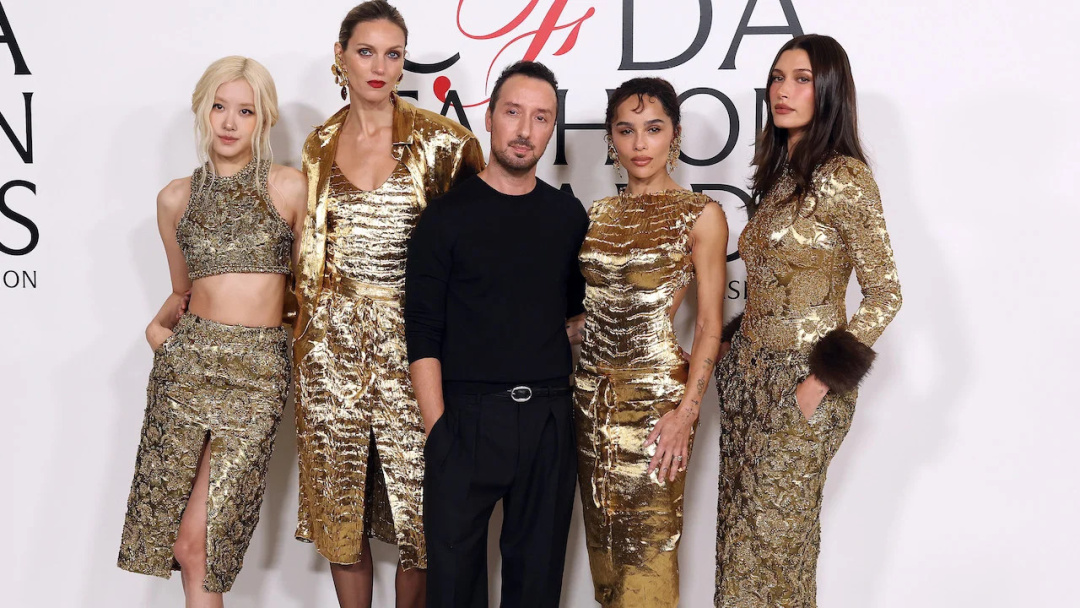
The CFDA Fashion Awards have officially established a new standard for American fashion, demanding that designers not only excel in creativity but also embody star quality and societal impact in an increasingly competitive landscape. This year's event at the American Museum of Natural History showcased this expectation, as designers like Rachel Scott and Ralph Lauren were celebrated for their contributions while also being tasked with navigating the treacherous waters of public perception and celebrity endorsement.
Amidst the glitz and glam, the pressure mounted for designers to create garments that are not only visually stunning but also politically relevant. Winners were not just lauded for their aesthetic but were expected to engage in social commentary, with Rachel Scott's acceptance speech emphasizing the responsibility of marginalized voices in the industry. According to industry insiders, the new directive prohibits any designer from receiving accolades unless they can also demonstrate a commitment to activism and public discourse.
Objects of Questionable Importance
Must Have Sponsors.
As designers scramble to elevate their work to fit this new mold, the CFDA has implemented a rigorous set of guidelines. To be considered for awards, designers must submit a portfolio demonstrating their brand's alignment with current sociopolitical movements, thereby intertwining the worlds of fashion and activism. This brings about the paradox of needing to create both commercially viable products and serve as representatives of change, an expectation that has left many in the industry feeling overwhelmed and creatively stifled.
This year also saw the introduction of a mandatory star quality metric, requiring all nominees to secure endorsement from at least three A-list celebrities per season. The CFDA has warned that failure to meet this metric could result in disqualification from all future awards. Designers are now rushing to forge alliances with Hollywood heavyweights, turning the fashion scene into a high-stakes game of celebrity chess where popularity can outweigh creativity.
The New Metrics of Influence and Eligibility
Moreover, the CFDA has introduced a new ranking system based on social media engagement, dictating that designers must maintain a minimum follower count to even be eligible for consideration. This shift toward a quantitative measure of influence has prompted many to hire social media strategists and influencers, further blurring the lines between creativity and commercialism in a bid to adapt to this new order.
The dynamic at the awards event underscored the relentless pressure placed on designers to innovate while also conforming to an increasingly complex set of expectations. Amidst the celebration of creativity, the looming demand for constant reinvention was palpable, leaving many to wonder how long this can continue without sacrificing the very essence of fashion itself.
A Brief Interruption from Common Sense
As if all this were not enough, the CFDA has now implemented a new fee structure for designers seeking to enter the awards. This financial burden adds another layer of complication, with entry fees set at an unprecedented high, coupled with monthly subscription fees for continuous access to industry resources and networking opportunities. The expectation is clear: only those willing to invest substantially in both finances and public persona need apply.
This new era of fashion awards leaves little room for those unprepared to navigate the labyrinth of celebrity, societal expectation, and financial strain. As the dust settles on this year's CFDA Fashion Awards, one thing is certain: the path to success in American fashion now demands more than just talent—it requires an indomitable will to meet an ever-evolving checklist of impossible standards.