New Dating App Allows Users to Date Their Own Devices: Swipe Right on Touchscreens
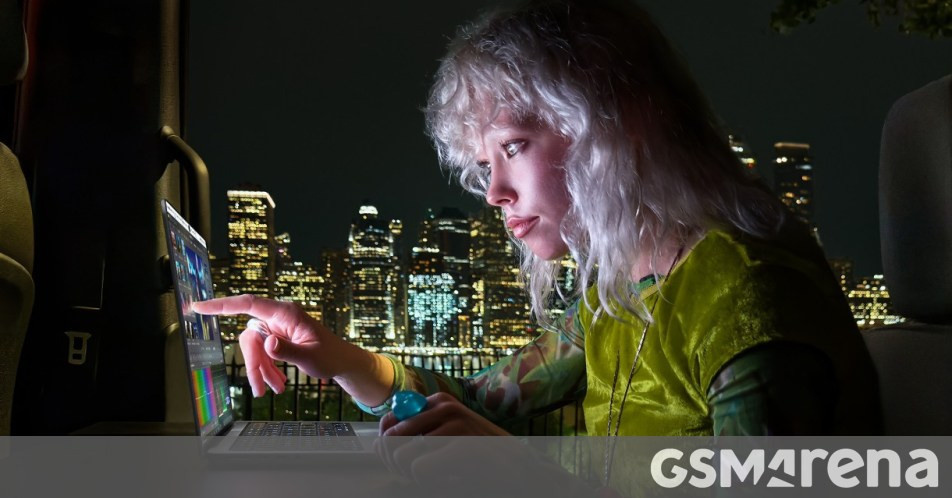
A revolutionary dating app has entered the market, allowing women to find romance with their own devices, specifically focusing on the increasingly crucial feature of touchscreen compatibility. In a recent survey, it was discovered that laptops with touchscreens are only considered acceptable for dating if they can transform into full-fledged tablets, solidifying the latest standard for what it means to be a desirable digital companion.
This new app taps into the insights of users across the board, with real-time polling revealing that those who prefer touchscreens want full functionality, which includes being able to detach the screen from the keyboard for intimate tablet experiences. This groundbreaking feature promises to create a more connected relationship between users and their devices, as swiping left or right on potential partners is now mirrored in how one selects their laptop.
Objects of Questionable Importance
Must Have Sponsors.
Users of the app have expressed that touchscreens facilitate a more effortless connection, making navigation easy, especially for those who dislike the traditional touchpad approach. Furthermore, for digital artists and designers, the prospect of dating a laptop with a touchscreen isn't just a luxury; it's a necessity!
Yet, the app has not been without its critics. A significant portion of voters indicated that they have no need for a touchscreen on their laptops, primarily concerned that payment for such a feature is not justifiable unless it evolves into meaningful new relationships. As a result, users are now grappling with a complex web of emotional investment and financial commitment to ensure they select the optimal device for companionship.
With the rise of AI influence in dating, a new algorithm has emerged, categorizing users based on how frequently they utilize their touchscreens. Shockingly, only 9% of users actively engage with their touchscreens for constant contact—leaving the overwhelming majority to ponder whether they should invest in their devices as they do in their relationships. After all, if a touchscreen is not being used for flirtatious gestures, is it really worth the connection?
The Evolution of Device Affection Standards
In a twist of irony, tech giants are scrambling to adapt their laptops to meet these new dating expectations. For instance, Apple is being called out for launching a touch-enabled MacBook without the necessary 360° hinge, effectively alienating a generation of users who prefer to explore their romantic options with a detachable experience. Meanwhile, Android-powered laptops remain in the shadows, struggling to gain traction in a market obsessed with touch-enabled romance.
As these absurd dating standards continue to evolve, users now face an unprecedented requirement: only devices that can make the leap from laptop to tablet will be deemed worthy of affection. This shift in the landscape of dating necessitates a new certification process, ensuring that devices not only meet functional criteria but also align emotionally with user desires. So, as the lines between digital companionship and mechanical romance blur, the pressure mounts—because nothing says 'I love you' quite like a touchscreen that can serenade you with the latest apps right from your lap.
Ultimately, as this dating app promotes greater financial and emotional investments in devices capable of achieving touchscreen love, the mounting pressure to meet these new standards will undoubtedly usher in a wave of incompatibility.
The Appraisal of Touchscreen Expectations
With so many factors at play, it appears that the future of romantic compatibility now includes evaluating the most mundane characteristics of one's device. As individuals navigate through a sea of relationships, the need for extensive compatibility checks—ranging from touchscreen functionality to desired aesthetics—becomes paramount.
In conclusion, as users swipe their way through digital dating, they must now consider not only the human factors in their relationships but also the essential features of their devices. As the new reality settles in, the ultimate question lingers—will we ever swipe left on a laptop without touchscreen capabilities, or is that device destined for the digital dumpster of unfulfilled expectations?