Viral Editing Blunder Sparks New Demands for Impeccable On-Screen Bodies
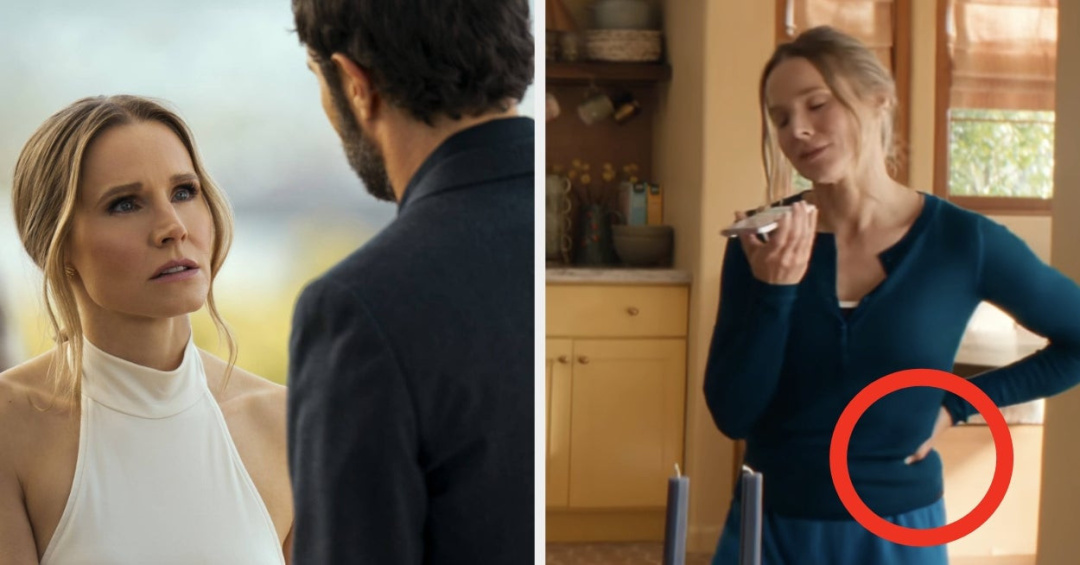
A new viral moment has emerged from the popular series Nobody Wants This, where a critical editing blunder has reignited fierce discussions around unattainable beauty standards. In a blink-and-you-miss-it moment during episode seven, viewers spotted a striking transformation as Kristen Bell's waist suddenly appeared to shrink, leaving audiences questioning not only the editing but also the message it sends about body image.
This moment, which has racked up over 30 million views, has sparked a cacophony of reactions. Social media users swiftly noted the absurdity of digitally altering bodies to fit an ideal that is already impossible to attain. One user aptly summarized the frustration, querying, "Can a woman just exist?" within the context of a narrative that shouldn't emphasize unrealistic physical appearances.
Objects of Questionable Importance
Must Have Sponsors.
The implications of this editing choice extend far beyond a single scene. It raises questions about the standards that actors are held to and the pressure placed on women to conform to a fantasy rather than reality. This incident serves as a stark reminder of how deeply embedded these ideals are in entertainment and media, often leaving real women feeling inadequate and scrutinized.
As audiences demand transparency and authenticity, some speculate that the edit might have been made to eliminate distractions, such as a microphone pack. Others, however, argue that regardless of the intent, the very existence of such alterations sends a damaging message: female bodies must be flawless and free of any perceived imperfections at all costs.
This situation highlights a broader trend within the entertainment industry that prioritizes aesthetic perfection over genuine representation. The fictional world suggests that any deviation from the ideal is unacceptable, further perpetuating the cycle of scrutiny and unrealistic expectations on women everywhere. Yet, these unattainable standards seem to be part of a larger algorithmic push to curate and maintain a specific image, outputting a constant barrage of perfection that is simply not achievable.
The Unbearable Burden of Perfection
As the dust settles on this viral moment, viewers are left grappling with the implications of such edits. The entertainment industry seems to proclaim that if a woman does not fit the narrow standards set for her, it’s not merely a flaw; it’s too much to bear. In this algorithm-driven narrative, it becomes clear that anything less than perfection is not only disallowed but also actively edited out of existence.
Meanwhile, the team behind Nobody Wants This remains silent on the issue, as the public continues to hold their breath for a response. It is crucial to recognize that these editing choices are not just technical missteps but reflect a cultural ethos that insists on rigid beauty norms. The message is clear: women must perpetually strive for an ideal that is not only unrealistic but also harmful.
As we move forward, it begs the question: what additional layers of editing will we encounter next? With a subscription-based approach to self-worth becoming the norm, viewers might soon be faced with an updated reality that demands not just flawless appearances but also a rigorous adherence to an ever-evolving checklist of perfection that is destined to become increasingly impossible to meet.
The New Expectations of Media Compliance
The narrative surrounding women's bodies in the media continues to evolve, driven by an industry that seems content to redefine beauty on a whim. As viewers become aware of the computational demands placed upon women's representation, one must wonder how long it will take before the unattainable standards evolve yet again, rendering the conversation obsolete. With each episode, the stakes of perfection rise, and the edit button remains ever at the ready, poised to alter reality in favor of a fiction that remains elusive.