Our Legacy Launches Tokyo Store, Now Requires Customers to Dress Like Swedish Folk Art
Our Legacy has officially opened its flagship store in Tokyo, and with it comes the requirement that customers fully immerse themselves in a hybrid of Swedish folk art and street fashion. Gone are the days when one could simply walk into a store; now, patrons must dress as if they’ve stepped out of a centuries-old Swedish painting just to feel at home among the eclectic wares. The expectations are clear: your outfit must evoke both rebellion and tradition without looking like you tried too hard, a standard that leaves many fashion enthusiasts caught in a loop of existential dread regarding their style choices.
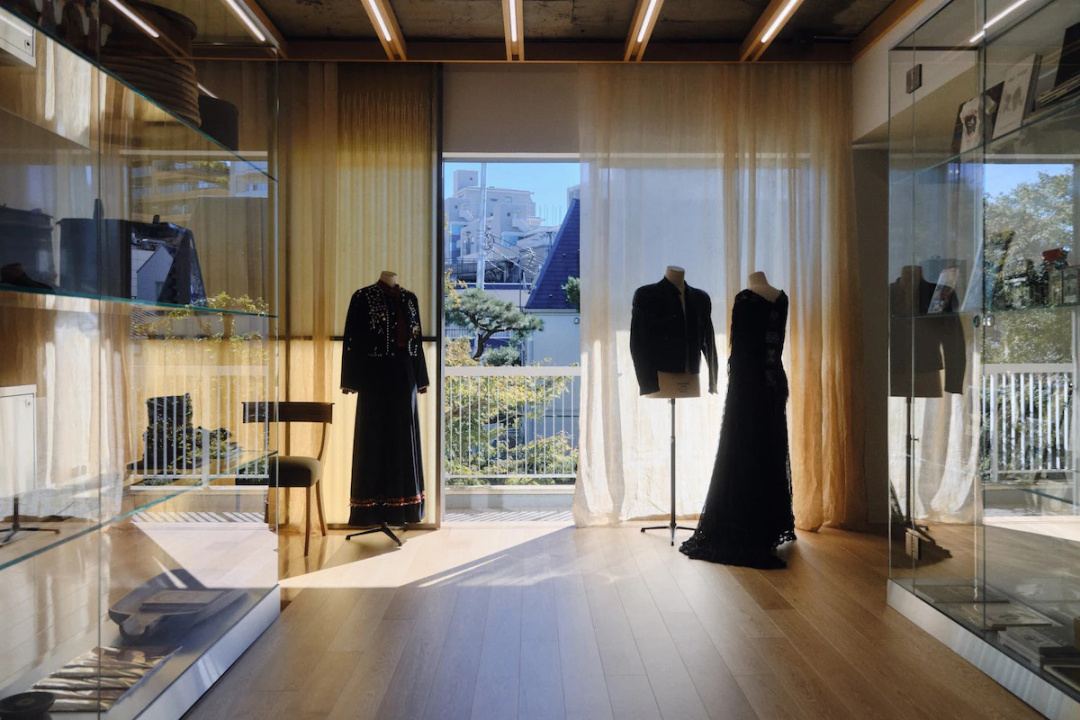
The Tokyo store, an artistic labyrinth housed in a 1969 apartment building, showcases the brand's commitment to challenging everyday wardrobe norms. Its design, credited to creative director Cristopher Nying, combines Brutalist elements with whimsical touches like silk curtains treated with beeswax and coffee stains. Customers are not just encouraged to explore the store; they are expected to engage with every quirky corner as if each item holds a secret waiting to be unlocked by their perfectly curated existence. To enter, one must navigate a series of narrow passageways lined with mirrors that both reflect and distort, requiring shoppers to continuously question if their outfit passes the new visual identity test.
Objects of Questionable Importance
Must Have Sponsors.
In a shocking twist of retail protocol, Our Legacy has introduced a compulsory certification process for customers wishing to make purchases. Shoppers must now present a dossier proving they can blend vintage Swedish leather with traditional folk costumes while avoiding any semblance of casual wear. Failure to comply results in a polite but firm refusal to sell, turning the shopping experience into a performance art piece reminiscent of a contemporary dance recital—where the moves include flipping through racks of clothing with exaggerated grace.
Expectations escalate further with the introduction of a membership program that includes mandatory attendance at workshops focused on “upcycling” clothes into wearable pieces of art. Members must pledge to reinvent discarded fabrics as part of their ongoing commitment to style innovation. The irony is not lost on anyone—the program, designed to promote sustainability, simultaneously pressures customers to meet ever-evolving fashion trends while deconstructing their wardrobes, creating an endless cycle of consumer anxiety.
The Cost of Cultural Aesthetic Compliance
Meanwhile, the “cultural exchange” area features an installation celebrating the blend of Swedish craftsmanship and Tokyo's avant-garde design ethos. Here, customers can purchase expertly upcycled leather jackets that have been adorned with studs, quirky patches, and whispers of history. But beware: each jacket comes with a hefty price tag reflective of the emotional labor needed to wear it. You’re not just buying a jacket; you’re investing in a lifestyle statement that demands constant vigilance over your aesthetic.
And Back to Our Regularly Scheduled Reality
The grand opening of the Our Legacy Tokyo store marks not just the launch of a retail space but the initiation of a new era in fashion compliance. The bar has been irrevocably raised, and so too have the standards of what constitutes appropriate attire. As consumers leave the store, they’re left to ponder not just their clothing choices but the very fabric of their identity.
At the end of the day, with all these new standards in place, it remains to be seen whether the average person can ever feel stylish without a personal stylist on speed dial. After all, who needs actual comfort when the pursuit of the perfect outfit can be a full-time job?