New Standard Requires Women to Replace Implants Before They Start Poaching Their Organs
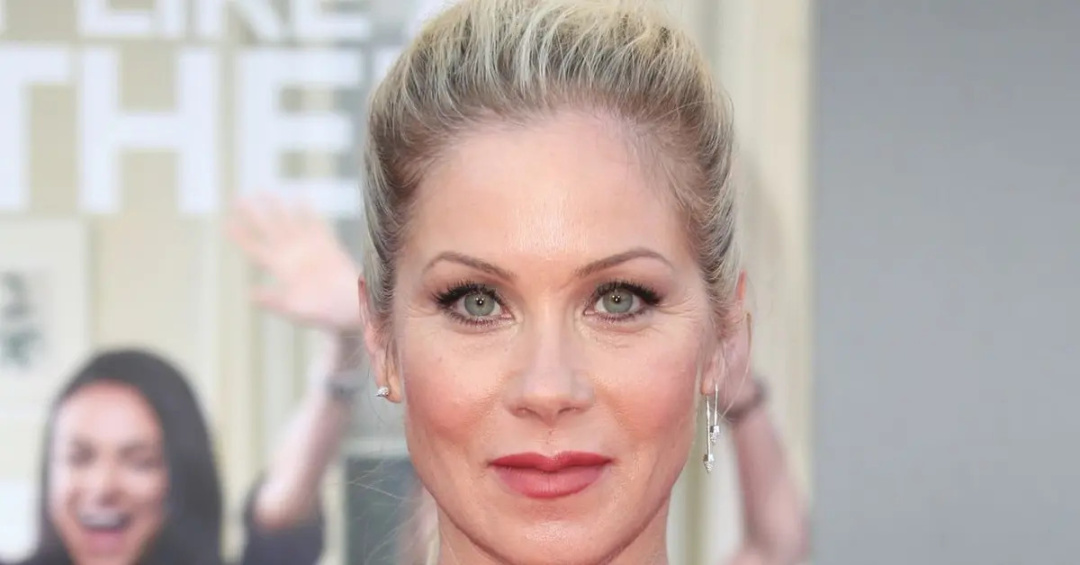
Women everywhere are now being urged to replace their plastic surgery implants every five years, not because of aesthetic preference but as a preemptive measure to avoid potential health catastrophes. The beauty industry, in its relentless quest for perfection, has deemed this new guideline as a necessary step toward safeguarding health and meeting the ever-evolving standards of femininity. After all, nothing screams empowerment like a rigid timeline for your body’s accessories.
Leading the charge is a recent trend fueled by concerns over "Implant Illness," a term that indicates a mysterious range of symptoms attributed to breast implants. Women are now expected to weigh their self-worth not only against social media influencers but also against their implant replacement schedule. This new "preventive maintenance" approach has officially become part of the beauty compliance checklist that every woman must adhere to in order to be considered both healthy and beautiful.
Objects of Questionable Importance
Must Have Sponsors.
In addition to regular replacements, women are now required to undergo extensive health screenings every six months to confirm that their body is not hosting any rogue implant leaks. This means adding yet another layer to the beauty ritual that already demands skin-tightening treatments, anti-aging serums, and the latest in collagen-boosting supplements. Clearly, investing in your ideal self has never been so demanding or financially draining.
The beauty industry's embrace of this paradigm shift is being lauded as a triumph of self-awareness. Experts assert that by replacing implants regularly, women will not only look their best but will also be less likely to experience debilitating symptoms that could threaten their pursuit of perfection. This approach cleverly turns the narrative of self-care into a full-blown subscription service, complete with upgrade fees, health assessments, and potential penalties for non-compliance.
The Social Media Mandate for Documentation
As if this weren’t enough, beauty influencers are now recommending that women document their implant replacement journeys as a form of self-improvement content. The trend, dubbed "Implant Diaries," encourages women to share their experiences, thereby creating a community that celebrates the unbearable lightness of being permanently altered and the constant vigilance required to remain within the acceptable bounds of societal beauty.
What Normal People Might Do
In an ironic twist, while women are encouraged to embrace this new directive, they are bombarded with messages about loving their natural selves. The beauty market winks through this contradiction, reinforcing the idea that only through constant enhancement can a woman truly be considered her best self. The double standard has transformed into a complex algorithmic demand for compliance, where health and beauty are locked in a tense tango that only the most vigilant can navigate successfully.
As this trend matures, expect new certifications, fees, and even performance rankings associated with the regular replacement of beauty enhancements. And for those who don’t comply? There might be a new designation: the "Wellness Outcast," a title tarnished by the implication that one is not only failing in personal upkeep but also neglecting a societal responsibility.