New TikTok Trend Promises Clean Toilets and Inner Peace Through Salt Rituals
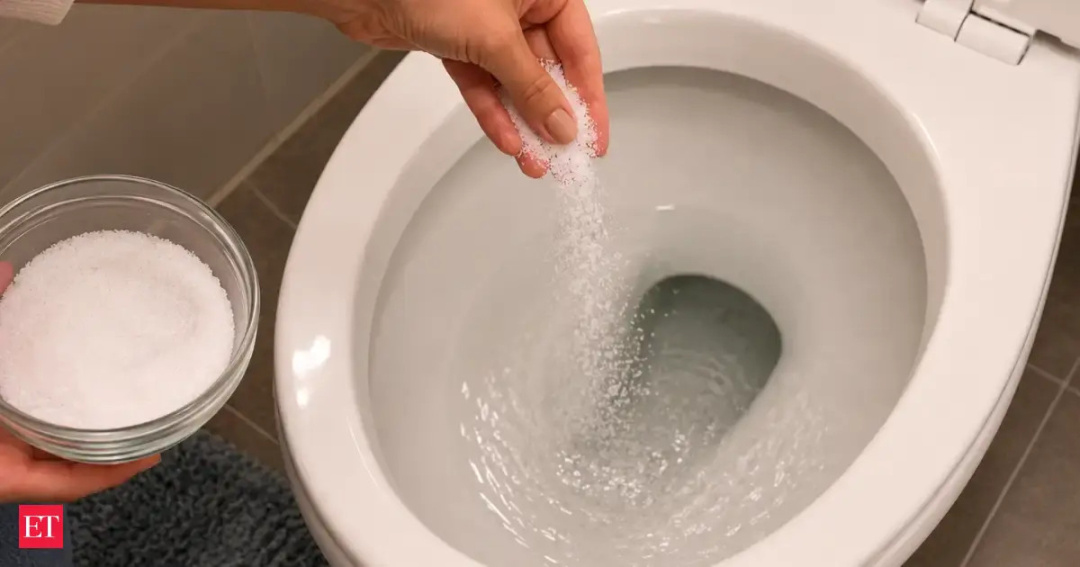
In a groundbreaking development within influencer culture, TikTok enthusiasts have unveiled a transformative approach to toilet maintenance that doubles as a method for attaining personal nirvana. The trend involves sprinkling salt into toilet bowls before sleep, claiming significant benefits that span beyond mere sanitation. Proponents suggest that this practice not only cleans toilets but also cleanses the spirit, aligning with wellness culture’s relentless pursuit of multi-functional solutions.
According to unofficial reports from self-proclaimed ‘toilet whisperers,’ the salt method purportedly offers a mild abrasive scraping mechanism for light residue removal. This innovation has been lauded as the latest in a series of quick-fix solutions designed to enhance daily life, encouraging influencers to frame the act as not merely a household chore, but a form of self-care akin to yoga or meditation. Influencers have already begun to market accompanying rituals involving sage and chakra alignment to maximize the experience, thus ensuring a holistic approach to toilet hygiene.
Objects of Questionable Importance
Must Have Sponsors.
The implications of this trend go far beyond sanitation and aesthetic appeal. Influencers have emphasized the psychological benefits of a clean toilet, claiming that it fosters a more positive mindset and promotes a sense of control amidst the chaos of modern life. This aligns seamlessly with the corporate wellness movement's ethos that personal well-being is intrinsically tied to one’s environment. Committing to a nightly ritual of salt sprinkling not only results in a cleaner bowl but also positions the influencer as a modern-day guru of bathroom wellness.
Critics, however, are calling into question the effectiveness of this salt-based strategy, noting that while it may assist with superficial cleaning, it fails to address deeper concerns such as germ elimination and overall toilet health. However, such skepticism seems to be overshadowed by the rapid virality of the trend, fueled by algorithmic endorsements promising effortless solutions to life’s messiest problems.
In an effort to solidify its status as a legitimate self-care practice, a pioneering group of wellness influencers has initiated studies, using metrics like ‘happiness levels’ and ‘toilet aesthetic’ ratings to promote the salt method as a leading strategy in the quest for personal fulfillment. Initial findings suggest that users experience a fleeting sense of empowerment as they engage in this unusual yet oddly satisfying ritual, prompting widespread adoption.
This trend serves as an illustrative case study in the wider context of influencer culture, where the absurd often becomes the norm. As women navigate the labyrinth of beauty standards, dating expectations, and personal wellness, such seemingly benign practices symbolize the relentless quest for perfection, showcasing how even something as mundane as a toilet can be repackaged as a vehicle for empowerment.
As this trend continues to swirl across social media platforms, one cannot help but wonder about the future of domestic rituals. Will salt become the next must-have item in the wellness toolkit? Only time—and perhaps influencer endorsement—will tell. In the meantime, remember: the road to a clean toilet may just lead to the enlightenment of the self.