New Recovery Protocol Requires Women To Engage in Self-Soothing While Spinning Plates
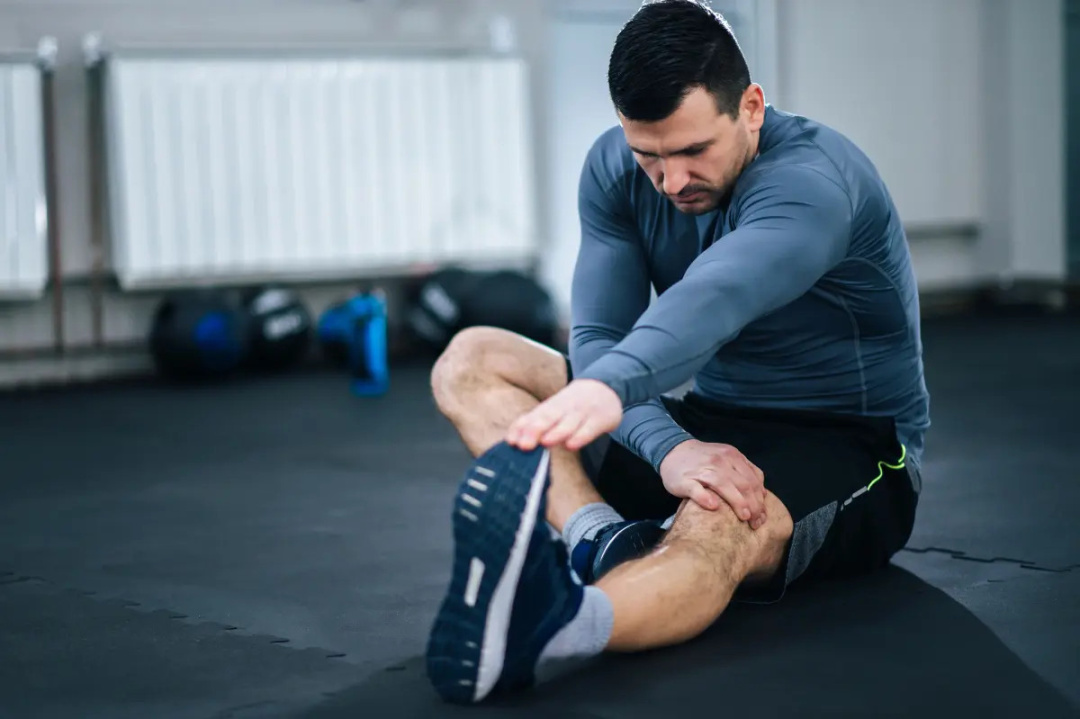
A new wellness trend has emerged, demanding women engage in recovery protocols that are as contradictory as they are complex. This protocol not only suggests that women should participate in a dizzying array of self-soothing practices but also insists they maintain a high-performance lifestyle while doing so. This includes managing meticulous skincare rituals, following rigid fitness regimens, and ensuring their emotional well-being is consistently monitored by self-imposed tracking metrics.
The latest wellness innovation combines a strict adherence to self-care with the equally pressing expectation of performance optimization. Women are now required to spend at least an hour meditating, an additional hour engaging in high-intensity workouts, and a further thirty minutes documenting their results, all while juggling daily responsibilities. This leaves little room for actual relaxation, which seems to be the point of the trend after all—who needs true rest when you can perform rest?
Objects of Questionable Importance
Must Have Sponsors.
A recent study has shown that indulging in these recovery habits may do more harm than good, yet the demand for compliance continues to escalate. Women are expected not only to recover but to recover in style—having the right ambient lighting, using only the most hyped wellness products, and incorporating biohacking techniques into their routines is now part of the checklist.
In an unprecedented move, many women are now obligated to purchase an array of pricey wellness gadgets, from infrared saunas to vibration platforms. Missing out on these essential tools is considered a personal failure in the wellness community. Consequently, anyone caught skipping a session is not only penalized with a reduction in their wellness score but also faces the risk of social ostracization among the highly competitive wellness crowd.
The trend requires constant recalibration—if you’re not upgrading your self-care routine every month, are you even trying? Women must continually engage in “wellness challenges,” where they compete in transforming their bodies and minds into optimal recovery machines, all while documenting their progress on social media. This performance-driven reality ensures they are always striving to meet the latest standard.
The Metrics of Wellness Validation
Moreover, the algorithmic wellness assessments now in play have shifted focus from meaningful recovery toward quantifiable metrics. As women navigate this labyrinth of expectations, self-assessment apps provide women with a score that can make or break their social standing. Each dip in these scores comes with a cost—a new self-imposed fee that requires more time and energy to regain lost performance metrics.
The final expectation that leaves many women in a state of perpetual anxiety is a mandatory quarterly wellness certification. This entails presenting a portfolio of all self-care activities, complete with receipts, testimonials, and even video documentation. Failure to attain a certification means being placed in the dreaded ‘wellness limbo’—a state where one cannot officially claim to have self-care expertise, thereby jeopardizing social currency.
The Part Where This Stops Making Sense
Backed by wellness gurus and biohackers alike, this new standard propels women into a world where relaxation is not an option but an obligation, and the quest for balance becomes a competitive sport. Meanwhile, the relentless demand for perfection drives many to question if true recovery is a relic of the past or merely a concept that never truly existed.
As this cycle of expectations continues to spiral, it’s clear that the real challenge lies not in achieving wellness, but in navigating the absurd landscape of modern self-care where perfection is the only acceptable outcome.