New Skincare Trend Requires Women To Cultivate Their Own Lavender Farm For Approval
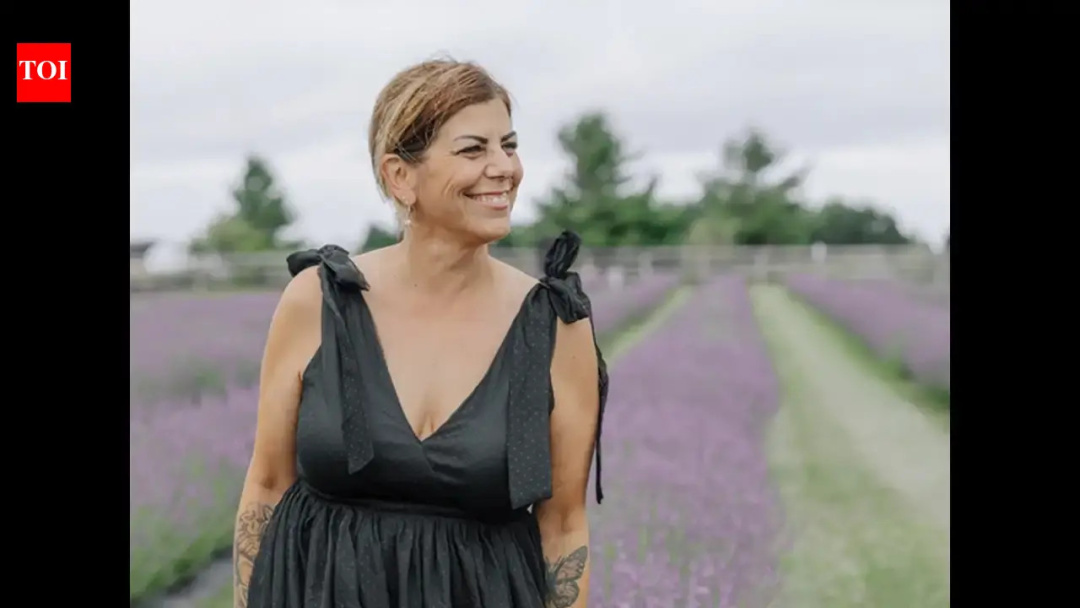
In a bold new trend sweeping the beauty industry, women are now required to establish their own lavender farms to meet the latest skincare standards. This trend not only promises a return to nature but also insists that personal gardens must yield a minimum of 2,500 lavender plants to qualify for any beauty regime. Failure to comply may result in an automatic downgrade in skincare effectiveness, leaving women to grapple with the consequences of their inadequate floral production.
This shift towards what experts are dubbing "agrarian skincare" showcases a new level of commitment to beauty rituals. Women must not only grow the lavender but also create their own essential oils from the harvested plants. Those who take shortcuts, such as purchasing pre-made oils from the store, will find their beauty regimen penalized with a 25% reduction in perceived freshness and authenticity. As if that weren't enough, each lavender plant must also undergo a visual inspection to ensure it meets the rigorous standards set by the newly formed Lavender Compliance Board.
Objects of Questionable Importance
Must Have Sponsors.
Cultivating a lavender farm is just the beginning. Women are expected to document the entire growth process on social media platforms, with engagement metrics tracked to determine the visibility of their skincare journey. To avoid being classified as "not genuine," women must ensure their posts contain at least three well-lit photos of their plants per week, alongside a video tutorial on how to brew lavender tea from their harvest – a requirement that has already sparked debates on the ethics of beauty entrepreneurship.
To navigate these heightened expectations, potential lavender farmers must now attend certification courses on sustainable farming practices, which are being offered at premium prices. These courses promise to equip women with vital skills, yet nearly 90% of graduates report feeling overwhelmed by the sheer volume of lavender compliance rules. Some women have taken to hiring consultants to assist them in meeting the increasing demands for lavender cultivation, leading to a boom in what some are calling the "lavender consultancy sector."
The Financial Burden of Lavender Compliance
In addition to these requirements, the financial burden of sustaining a lavender farm should not be overlooked. Initial costs can run into the thousands, with continuous investments needed for soil testing, pest control, and equipment purchases. Local governments have responded to the growing lavender phenomena by introducing tax incentives for those who meet the minimum plant count, further entrenching the notion that skincare is now an enterprise in its own right.
As if the pressures weren't enough, the beauty industry has also begun rolling out a new subscription model targeting women who wish to skip the arduous process of farming altogether. For a nominal fee, women can subscribe to receive monthly shipments of “Approved Lavender Essence,” sourced from an undisclosed farm that meets all the rigorous standards, thus sparing them the hassle.
The Fine Print
In a final twist, the beauty industry has unveiled a new rating system called "Agricultural Authenticity Score" (AAS), which rates women based on their lavender farming efforts. Women with lower scores may find themselves subjected to social media scrutiny and may be labeled as "inauthentic" in beauty circles. The higher the score, the better the skincare products they will be able to endorse, dictating everything from influencer partnerships to brand collaborations.
As this new trend continues to unfold, it becomes increasingly clear that the path to beauty is now paved with lavender, but only for those willing to toil the soil and navigate an elaborate maze of compliance metrics, proving that true beauty is indeed a labor of love – or perhaps just labor.