New Anti-Aging Certification Mandates Diets and Prescriptions, Not Supplements
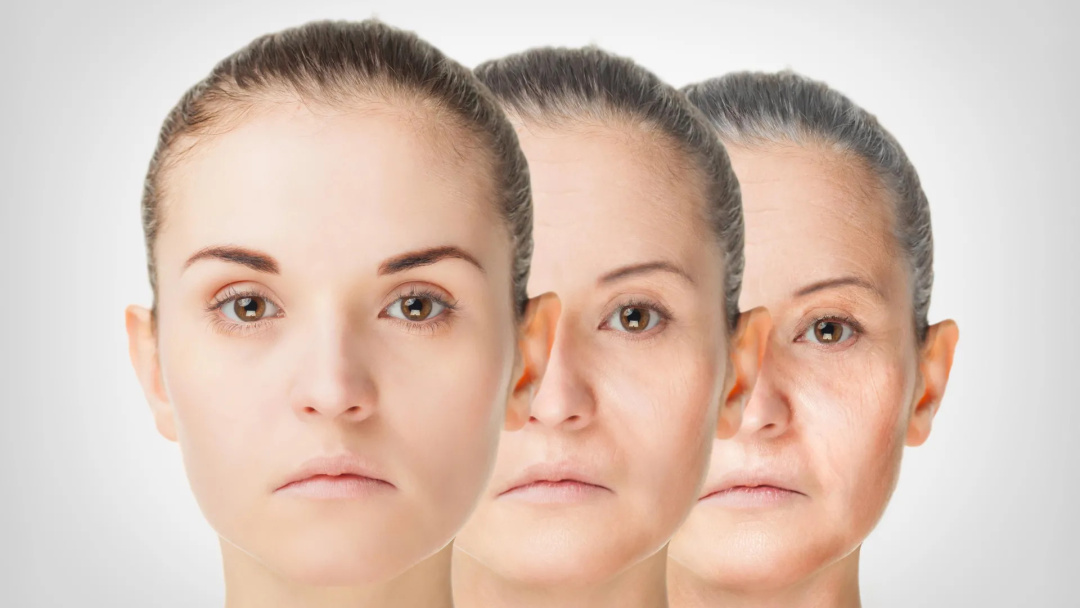
The latest development in the pursuit of eternal youth comes with a groundbreaking certification process mandated by Yale researchers, who have officially declared that the only valid anti-aging treatments are those involving strict diets and prescription medications. Popular over-the-counter supplements have been deemed obsolete, leading to a dramatic pivot in how society will perceive the aging process, particularly for women who have grown accustomed to expensive skincare routines in hopes of defying time itself.
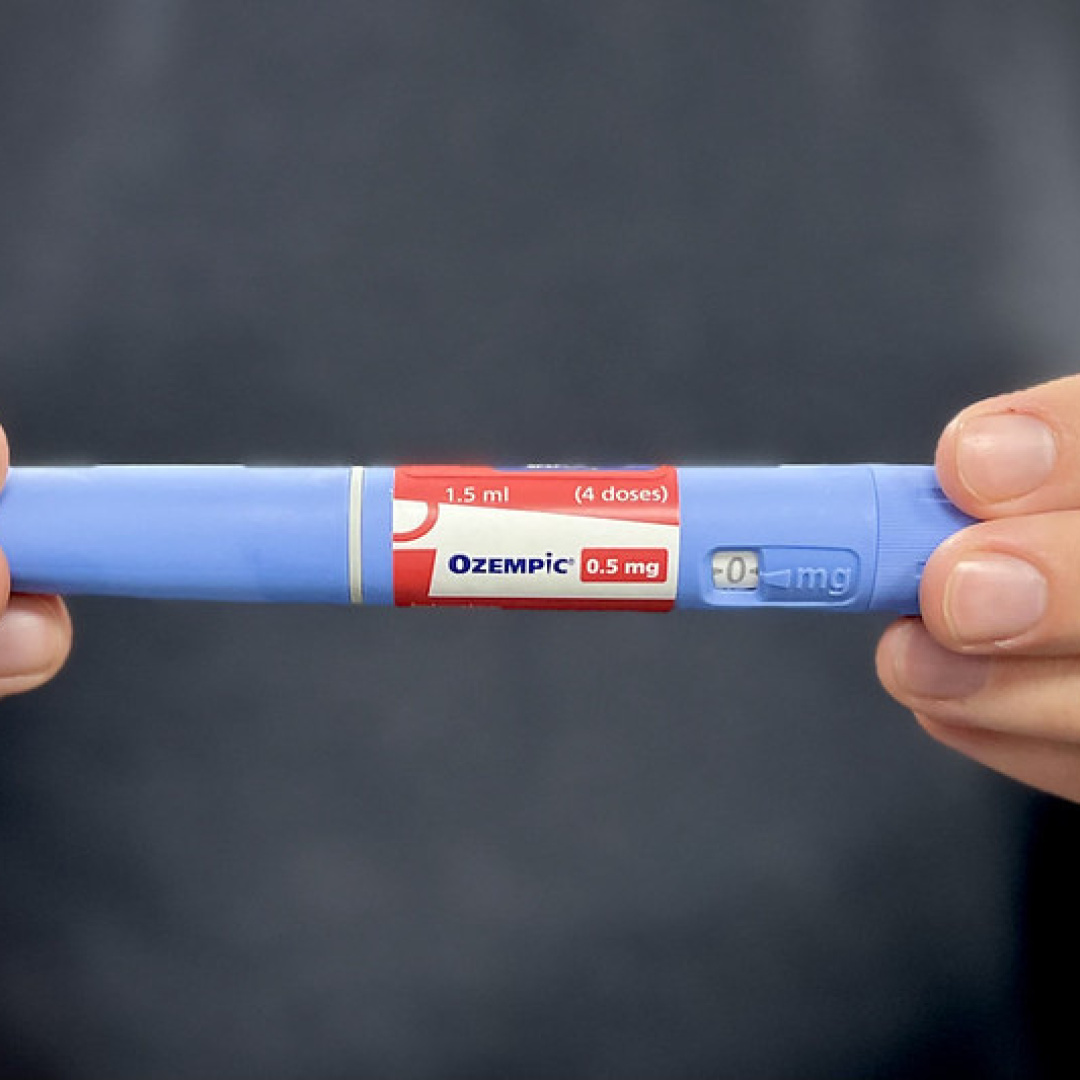
In an exhaustive review of 51 studies, Yale scientists have unearthed the startling conclusion that only specific prescriptions, such as metformin and semaglutide, can effectively roll back the clock, while beloved wellness supplements are relegated to the trash bin of unproven remedies. This makes it abundantly clear: if you want to feel younger, skip the collagen powders and spend your disposable income on a doctor’s visit instead. The new anti-aging protocol will surely be welcomed with open arms by the pharmaceutical industry, which stands poised to capitalize on the demand for youth, despite the fact that these medications are typically used for addressing chronic health issues.
Objects of Questionable Importance
Must Have Sponsors.
Imagine a world where women must juggle strict diets, regular exercise, and an increasing list of prescriptions just to maintain their youthful glow. The Yale certification process adds another layer of complexity: not only must individuals embark on an arduous journey of lifestyle changes, but they must also present their validated anti-aging certification at every social event, lest they be branded as ‘lazy’ or ‘outdated.’ This new regulation is expected to be rolled out across social media platforms, where influencers will encourage followers to document their diet logs and medication schedules in real-time, creating yet another avenue for the commodification of beauty and self-worth.
The absurdity escalates as the new anti-aging standard mandates that not only must women adhere to impossible beauty metrics, but they must now also produce tangible evidence of their compliance. Failure to provide this data could result in penalties ranging from public shaming on social media to exclusion from exclusive beauty and wellness events. The stakes are high: aspiring to look youthful will now come with a hefty emotional and financial burden fueled by societal pressures that dictate one’s worth by their biological age reflected through a blood test.
The researchers stress the importance of pursuing these certified interventions with caution, illuminating the nuances between biological age reductions and the actual quality of life. In fact, their findings suggest that while age-reversing medications can produce quantifiable results, the true question of whether this impacts longevity or day-to-day well-being remains to be answered. However, this uncertainty will not deter wellness enthusiasts from marching into their doctor’s offices, ready to embrace any available prescription that aligns with the new anti-aging certification.
Anticipating the Next Steps in Anti-Aging Compliance
Looking ahead, the researchers predict that the next step will involve integrating these findings into everyday life, compelling society to embrace even more convoluted metrics of beauty. As the demand for certified anti-aging interventions rises, brands will surely jump at the chance to develop subscription models that deliver medications and meal plans directly to consumers’ doors. The notion of effortless beauty will be replaced by a tangled web of compliance and costly routines — all in the name of looking perpetually youthful.
With this new mandate looming on the horizon, one can only wonder what fresh absurdities await in the journey toward youthful perfection. Perhaps this certification will require women to attend monthly workshops, enabling them to share their experiences of struggle as they navigate the complexities of appropriate anti-aging diets versus their favorite, now-banned, beauty supplements. With each passing day, the bar keeps rising, and compliance with these changing standards will only become more convoluted, suggesting that the quest for beauty is as far from effortless as one could possibly imagine.
Navigating the Complications of Anti-Aging Expectations
In conclusion, the beauty industry is set to undergo a radical transformation as these new anti-aging rules take hold. A mere aspiration to look youthful is now bound to a rigorous set of standards that will require individuals to constantly reassess their strategies and expenditures in the name of beauty. As the landscape evolves, those who navigate these newfound expectations will need to do so with innovative strategies, all while safeguarding their emotional and financial well-being against the ever-elusive standard of perfection.