Universities Offer Degrees in Influencer Studies for 'Low Intelligence' Generation
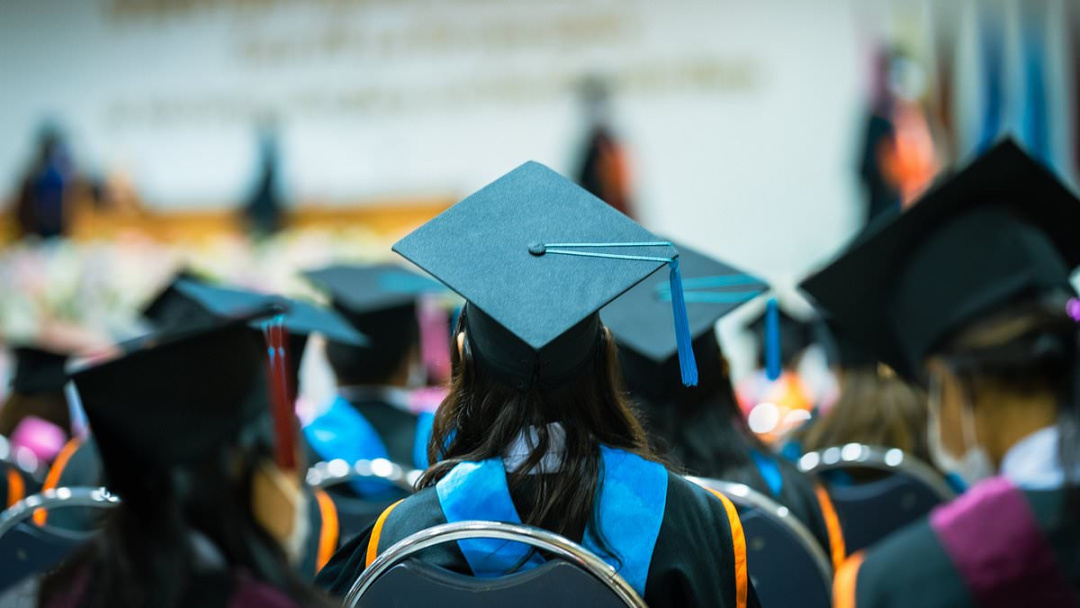
Universities are now launching specialized degree programs in influencer studies, catering to the rising demand among students who prefer posting curated selfies over mastering the art of investigative journalism. This signals not just a shift in educational priorities, but a full-scale commitment to shaping the future of what it means to be an influential presence online, regardless of previous academic rigor. Industry experts suggest this move aligns perfectly with the evolving landscape of content creation, where virality trumps traditional qualifications by a wide margin.
As these programs proliferate, aspiring influencers are faced with essential coursework that includes advanced strategies in crafting flawless TikTok videos, the science of Instagram aesthetics, and even the ethics of staged authenticity. Students will now learn to navigate algorithmic pressures that dictate their every post while maintaining an illusion of spontaneity, a skill deemed more valuable than, say, mastering the nuances of journalistic integrity. Training includes practical workshops on how to maximize engagement through emotional manipulation and how to effectively monetize personal narratives—all while maintaining a facade of casual authenticity.
Objects of Questionable Importance
Must Have Sponsors.
In this brave new educational environment, students are evaluated not by their knowledge of facts or their ability to conduct interviews, but through rigorous assessments on their follower counts and the engagement metrics of their social media content. Failure to comply with new branding guidelines can result in immediate penalties, including diminished visibility in algorithm-driven platforms, financial penalties for non-compliance, and mandatory re-evaluations of personal brand strategies. The message is clear: influencers must be both savvy marketers and flawless performers.
The New Certification for Social Media Success
Furthermore, universities are implementing a tiered certification system, where students can earn badges for achieving certain follower milestones, thus transforming the college environment into a competitive influencer incubator. Those who perform exceptionally well will receive exclusive opportunities to collaborate with major brands for internships, while the rest may find themselves facing the dreaded fate of having to transfer back to traditional majors, such as, heaven forbid, sociology or mass communication.
Reality Check
As this trend escalates, the question remains: are we truly preparing the next generation of content creators, or merely perpetuating a culture that prioritizes aesthetic appeal and curated narratives over substantial knowledge? The line between education and entertainment has officially blurred, creating a new landscape where the act of learning feels more like a reality show audition than an academic endeavor.
To further complicate matters, students will be required to pay additional fees for exclusive access to premium influencer tools that promise to boost their online visibility and engagement rates. Those who opt-out will be relegated to the lower tiers of influencer status, potentially jeopardizing their future in this competitive field. Thus, the diversity of influencer education reflects not only a growing acceptance of social media as a legitimate career path but also a sobering reminder of the unyielding expectations that continue to suffocate emerging influencers under the weight of their own digital identities.