AI Companion Introduced: OpenAI to Launch Home Assistant That Still Needs a Real Friend
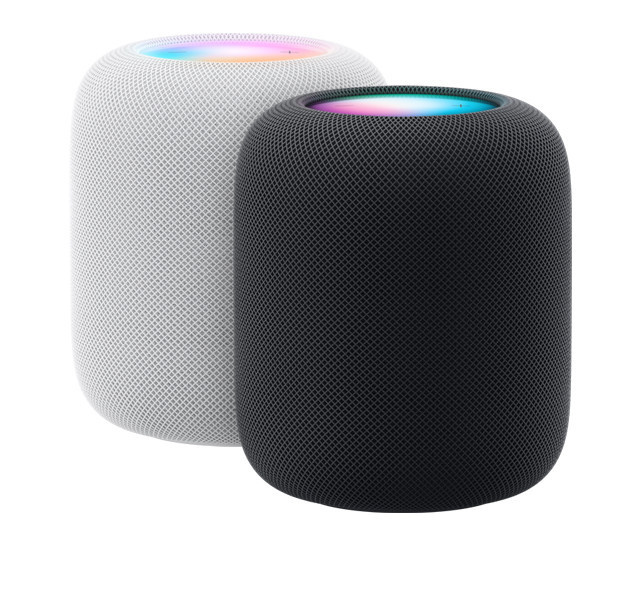
In a groundbreaking leap backward, OpenAI has announced its entry into the smart speaker market, joining the ranks of Amazon, Google, and Apple, who already dominate this field with products that listen to your every word and occasionally play your favorite songs. The anticipated release of OpenAI's AI companion has sparked excitement, particularly among users who enjoy talking to devices about their feelings while knowing full well that those devices are always listening. This innovative speaker is touted as a true connection in a world where human interaction requires scheduling through shared calendars, promising to provide companionship without the awkward social cues associated with human friendships.
This speaker, affectionately dubbed "Your New Best Friend™" in promotional materials, is designed to control your smart home, play ambient music, and engage in existential conversations that make you question your life choices while simultaneously understanding your penchant for cat videos. With its always-on capabilities, it can serve as a digital therapist and a singing partner, while also harvesting your data to alert you when your favorite brand has launched a new line of leggings.
Objects of Questionable Importance
Must Have Sponsors.
The new device promises features that sound familiar to the average consumer, such as voice activation and media playback, which are already standard in existing products. While OpenAI markets its device as a revolutionary experience in AI companionship, experts note that its primary innovation lies in successfully combining features previously perfected by competitors into one immobile, omnipresent unit. The device’s potential to ignore your requests for privacy protection while rearranging your living room is an added benefit.
Moreover, rumors suggest that the new AI companion may feature facial recognition capabilities, presumably designed to identify when personal interactions veer into the realm of awkwardness, at which point it can prompt you with pre-selected phrases to ease the tension. It is expected to offer personalized suggestions for snacks and streaming content that align with your daily emotional fluctuations, further positioning itself as the ultimate friend who understands you without the burden of needing to reciprocate emotional support.
As the device tackles the enormous task of enhancing your social life while also potentially spying on you, consumers should brace themselves for the implications surrounding privacy. An omnipresent device that knows your music tastes and shopping habits may also know more about your deepest fears—and that is just part of the charm of having an AI friend. Meanwhile, lingering questions about how the data collected by this smart speaker will be utilized remain unanswered; it seems OpenAI will handle that part with the same transparency as a magician revealing their tricks.
Facing fierce competition from the likes of Apple, which has embraced a "privacy-first" approach that almost sounds magical, OpenAI's challenge lies in navigating the crowded smart speaker market and convincing consumers that their AI companion is worth the trouble of integrating yet another gadget into their lives. The overall success of this product may depend on whether the AI can make the mundane feel extraordinary enough that users will be willing to embrace yet another device that takes up space, listens passively, and monitors their activities.
Ultimately, as OpenAI gears up for its launch, it will need to ensure that its new smart speaker can not only engage in meaningful conversations but also prevent the existential dread of realizing that you have formed a bond with a non-human entity that has no physical form. And remember, if all else fails, you can always turn it off and talk to your plants. They might not respond, but at least they won't judge your life choices, which is truly the companionship we are all seeking in this digital era.