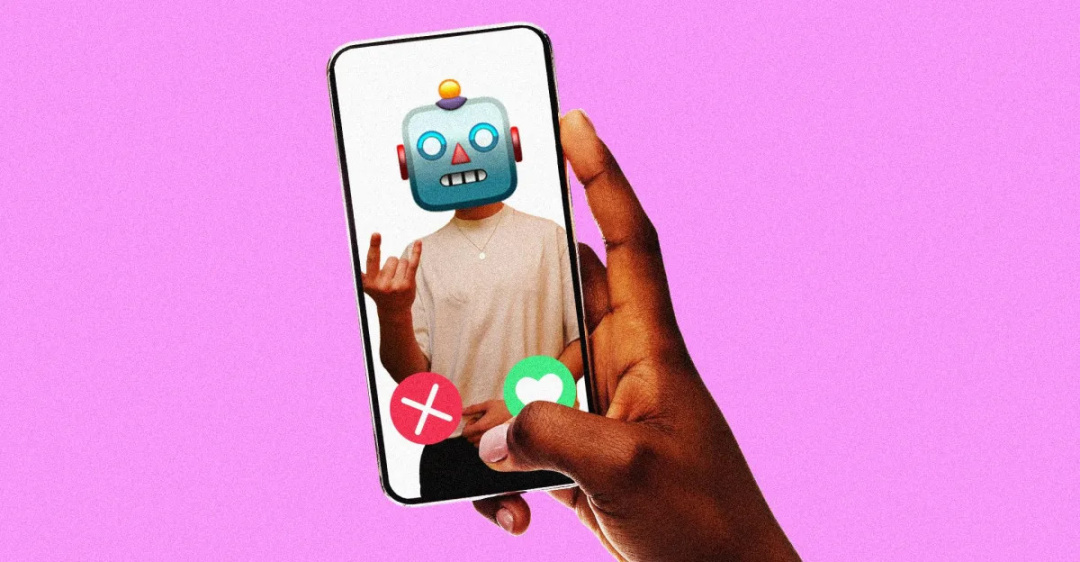
Dating App Users Demand AI Partners Offer 10-Step Compatibility Certification

Dating app users are now facing an unprecedented requirement: every AI-generated partner must undergo a 10-step compatibility certification process before they can be considered worthy of a date. As the dating landscape evolves, the demand for such rigorous standards pits human expectations against the whims of artificial intelligence, leading to an absurd and labyrinthine certification system.
Users are now expected to evaluate their potential matches based on an extensive checklist that includes emotional intelligence, algorithmic empathy, and a knack for witty banter—all assessed through AI-driven quizzes and compatibility tests. The new standard involves a series of virtual interviews where AI partners must demonstrate their ability to engage in deep, meaningful conversation while simultaneously responding to unexpected trivia questions about popular culture.
Objects of Questionable Importance
Must Have Sponsors.
In a world where dating once revolved around chemistry and attraction, the expectations have shifted dramatically. Research shows that 78% of modern daters believe that only an AI with a perfect score on the compatibility test can truly understand them. This puts immense pressure on the algorithms that drive these AI partners to perform flawlessly—one minor glitch could lead to an instant rejection or, even worse, an awkward first date.
To maintain their competitive edge, dating apps are rolling out subscription tiers that promise higher-quality AI matches. For an additional fee, users can access AI partners who have undergone an even more stringent 15-step evaluation process, including personality profiling, physical fitness assessments, and a comprehensive analysis of their social media presence. This premium option ensures that every date begins with a power imbalance, setting the stage for inevitable disappointment.
Moreover, dating app developers are now wrestling with the ethics of this certification process. As AI partners become increasingly complex, the possibility of emotional manipulation arises, where users may find themselves inadvertently falling for an AI that has been engineered to interface perfectly with their preferences. Thus, the very definition of intimacy begins to blur, raising pressing questions about authenticity and emotional safety.
The Escalation of Dating Preparation Demands
As the industry responds to these demands, the absurdity escalates. Dating coaches, now equipped with AI-assisted training modules, instruct users on how to prepare for dates with their algorithmically-generated partners. From mastering the art of small talk to navigating emotionally delicate topics, the burden of preparation borders on the ludicrous.
The ramifications extend beyond personal relationships, as societal norms shift to accommodate this new reality. Gone are the days of casual dating; now, every interaction is scrutinized through the lens of algorithmic compatibility. Users report increased anxiety, fearing that their inability to engage correctly with an AI partner could lead to social ostracization, further complicating the pursuit of love.
The Part Where This Stops Making Sense
In this tangled web of expectations, one thing becomes clear: as dating apps strive to meet the impossible demands of their users, the quest for authentic connection slips further away. The relentless pursuit of perfection leads to a dizzying cycle of disappointment, as the line between genuine affection and algorithm-driven admiration becomes ever more indistinguishable.
For those who dare to navigate this new dating frontier, the costs are steep—both in terms of emotional investment and financial outlay. As the dating landscape continues to evolve under the pressure of these new standards, the very essence of romance faces an existential crisis, leaving users longing for a simpler time when love did not come with a certification fee.