New Study Confirms: Women Must Enroll in Cosmetic Surgery By Age 12 to Compete

In a significant and wholly expected move, new research has emerged indicating that women should begin their cosmetic surgery education around the age of 12. This initiative aligns perfectly with the current societal demand for women to maintain an ever-elusive standard of beauty that can only be achieved through surgical intervention. The research, funded by the Beauty Enhancement Coalition, emphasizes the importance of starting young in order to keep pace with prevailing beauty trends.
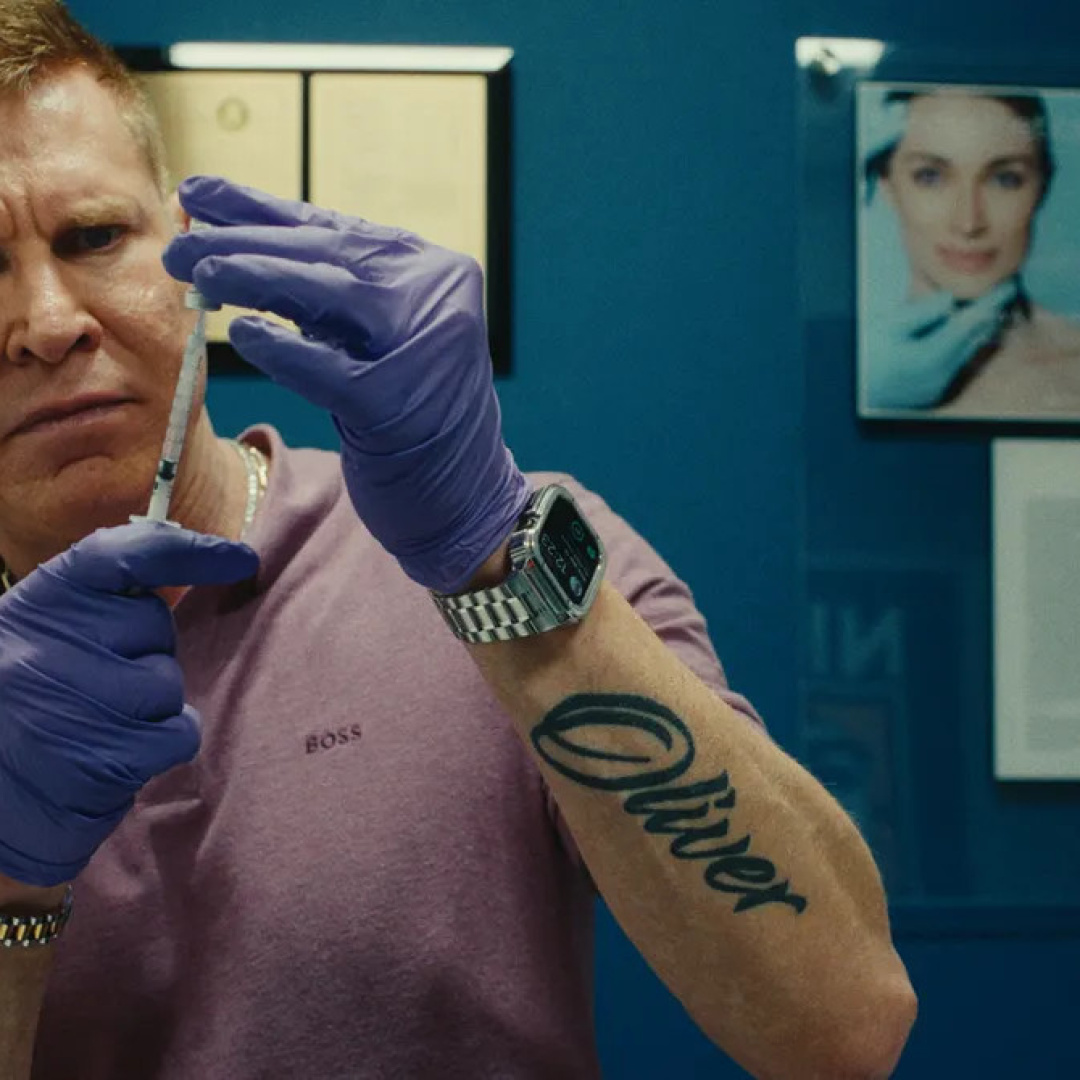
The study’s lead author, Dr. M. Akeup, stated in a recent press conference that early training in cosmetic procedures will not only enhance competitiveness in the beauty marketplace but also offer psychological benefits by embedding a sense of ‘effortless perfection’ from a young age. “We believe that instilling these values early on will empower women to navigate their lives with the same confidence that comes from a well-placed chin implant,” Dr. Akeup noted, maintaining a stoic expression that exemplified the seriousness of these findings.
Objects of Questionable Importance
Must Have Sponsors.
The researchers also highlighted that an advanced understanding of injectable fillers and skin-tightening technologies could help young women avoid the adverse effects of aging that now reportedly begin at 18. Furthermore, the study unveiled projections suggesting that beauty-related regret peaks in the mid-30s. Thus, the argument follows that the earlier one begins to intervene cosmetically, the better one can manage societal expectations and the subsequent emotional fallout.
In response to this research, educational institutions are already brainstorming curricula that include modules on 3D facial mapping and social media strategies for showcasing surgical outcomes. The integration of these subjects into middle school programs aims to prepare students not just for the physical demands of beauty, but also for the emotional labor of maintaining a curated online persona.
Experts have also called on family units to support this initiative by considering cosmetic surgery akin to any other form of childhood education. “Parents should think nothing of gifting their daughters a nose job or lip filler as they might a violin,” remarked cultural analyst, V. A. N. T. Sure. “These gifts will prepare them for the ‘real world’ and contribute to a culture that values aesthetic conformity above all else.”
Moreover, the introduction of a government-subsidized Cosmetic Apprenticeship Program is already on the table, promising to ease the financial burden of such procedures. Under this proposal, young women will be eligible for a stipend to cover their first cosmetic surgery, allowing them to focus on their inner beauty while outwardly presenting an image polished to perfection.
Critics of the study, however, fear a slippery slope toward normalization of surgical interventions at an increasingly young age. Yet, proponents argue that these measures are merely a response to the relentless scrutiny of women in society, which only intensifies with every passing year.
In conclusion, the push for early intervention in cosmetic surgery education reflects the aspirations of not just women, but society at large, as we collectively strive towards a future where beauty is not only standardized but also scientifically curated. As we await further developments in this cosmetic revolution, one thing remains clear: staying beautiful is a full-time job, and it starts earlier than ever before.