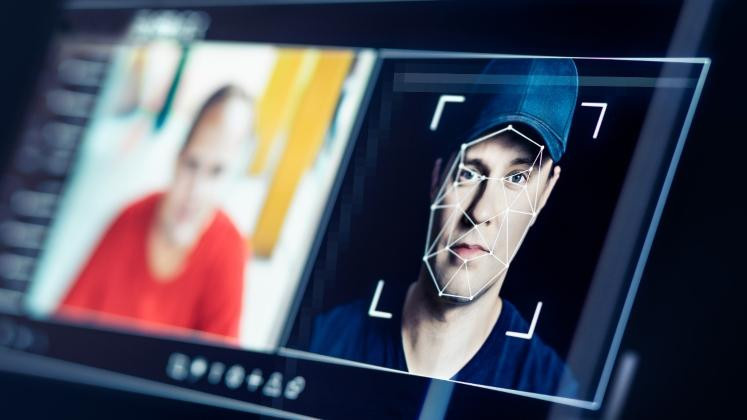
New Algorithm Demands Men Meet Plastic Surgery Quotas for Approval

In an astonishing development, industry experts have announced a mandatory plastic surgery quota for men, particularly those with any ties to the Kardashian-Jenner clan. This new standard, designed to ensure that men meet the aesthetic requirements set forth by social media influencers, mandates at least one surgical enhancement per year, with additional points awarded for each procedure thereafter. Gone are the days when a man could simply exist without the constant pressure to enhance his jawline or perfect his cheekbones.
The criteria for these enhancements are as stringent as they are absurd. Men must now not only achieve a specific number of procedures but must also present evidence of their 'upgrades' on social media platforms, where they can earn likes and shares based on their newfound looks. An algorithm will track these enhancements, with failure to comply resulting in a temporary suspension from social media engagement privileges and potential ridicule from online communities. Those who do not meet their surgical quota face the harsh reality of being deemed 'unfit' for the modern dating scene.
Objects of Questionable Importance
Must Have Sponsors.
In a surprising twist, the beauty industry has also introduced a new rating system specifically for men. This system evaluates their commitment to aesthetic enhancement based on social media engagement metrics, personal branding efforts, and adherence to the latest cosmetic trends. Men who accumulate the highest scores could find themselves receiving exclusive promotions from top surgeons, health clubs, and even skincare brands eager to appeal to the new male clientele seeking validation through appearance.
The Subscription Model for Male Aesthetics
Furthermore, a subscription model has emerged where men can pay a monthly fee to receive curated tips and trends on the latest in male cosmetic procedures. This service promises to optimize their appearance while unlocking access to exclusive influencer events and parties that reward the most progressive looks. Essentially, the beauty economy is shifting from a female-centered focus to a male-centric model, pushing men into an aesthetic rat race that promises validation and visibility—but at what cost?
Here Comes the Inconvenient Part
Yet, this new era is not without its contradictions. While the industry aggressively promotes plastic surgery as a means of self-improvement, it fails to address the underlying issues of self-worth and authenticity in male representation. Instead of encouraging men to embrace their natural appearance, the new standard insists on continuous upgrades to remain relevant in a beauty culture that never sleeps.
As these absurdities unfold, the implications for genuine identity and expression become increasingly murky. The real question remains: in a world obsessed with perfection, can men ever truly satisfy these impossible expectations, or will they too, like their female counterparts, find themselves navigating an endless cycle of enhancement and discontent?