New Dating Trend Requires Influencers to Propose with a 24-Month Content Plan
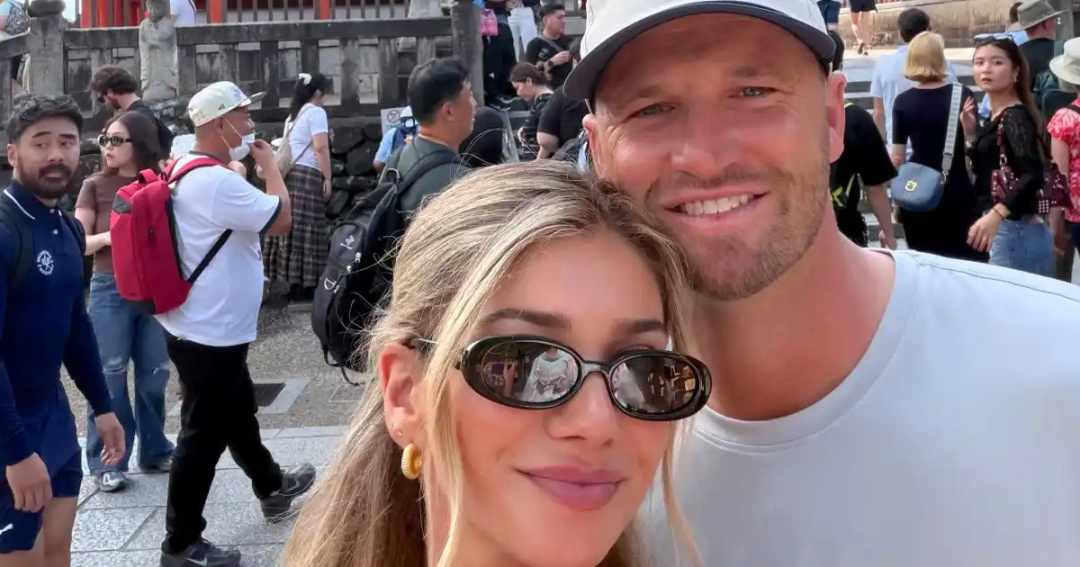
In an unprecedented shift in relationship expectations, pro golfer Wyndham Clark has set a new precedent by announcing his engagement to wellness influencer Emily Tanner, complete with an intricate 24-month content plan. This engagement, revealed at the Masters Tournament, has ignited conversations about the necessity of strategic planning in romantic commitments, proving once again that love now requires a detailed execution strategy akin to a product launch.
Tanner, 31, shared the exciting news on social media, complete with a video of Clark, 32, proposing near the picturesque landscapes of Scottsdale, Arizona. The romantic moment, however, was accompanied by an Instagram caption demanding that all future posts relate back to performance metrics and brand alignments. As Tanner declared, "My forever 🥹💍 — now let’s discuss our engagement deliverables!" This perfectly encapsulates the new norm where romance melds seamlessly with branding requirements, ensuring no moment is left undocumented.
Objects of Questionable Importance
Must Have Sponsors.
As they journey together post-engagement, couples are now expected to collaborate on a content calendar that highlights each significant milestone, such as the first shopping trip together or their initial trip on a couple's retreat. With Clark calling Tanner his "at-home caddie," it’s clear that the partnership goes beyond emotional support; now it’s also about optimizing engagement rates and ensuring algorithmic compatibility. The couple's ability to create appealing content is rapidly becoming as important as their personal chemistry.
As influencer culture evolves, the demand for a solid engagement strategy has escalated. Couples like Clark and Tanner are required not only to promote their love but also to monetize it. Their mutual commitment has become less about affection and more about curating an audience that demands authenticity and engagement in every post. This has led to the establishment of the Influencer Engagement Compliance Board, which will review proposals to ensure they meet the stringent criteria of emotional authenticity blended with market viability.
With these developments, aspiring couples must prepare for rigorous assessments before even considering a proposal. Successful candidates will be expected to demonstrate social media proficiency, content adaptability, and the ability to navigate public scrutiny while ensuring high engagement levels on all platforms. As Clark remarked in a recent interview, "It's not just about love anymore; it’s about being able to translate that love into viral video content while adhering to best practices for follower retention."
The New Certification for Relationship Sustainability
However, the barriers do not end with engagement. Following this new standard will require couples to undergo a 12-week certification course on social media ethics and crisis management to ensure they can maintain their online presence during marital turbulence. If they fail to comply, they risk losing influencer status, which is now seen as a vital part of any successful marriage in the influencer world.
As this trend continues to gain traction, experts predict that marriage proposals will soon require the submission of a comprehensive pitch deck outlining key performance indicators and engagement strategies. In the end, hope remains: perhaps one day, a simple "I do" will suffice once again, but for now, the requirement is clear: love is not only about connection but also about connection strategies.
The Certification Crisis for Engagement Plans
As we navigate this ever-evolving landscape of influencer relationships, the pressure mounts for couples to ensure their love can withstand algorithm changes and consumer expectations. The rise of the Engagement Planning Toolkit, complete with digital templates and market analysis, has become the go-to resource for aspiring engaged couples.
Yet, one must wonder, what happens when love becomes a mere transactional event governed by a 36-month engagement framework? Love, it seems, is now not just an emotion but a business model, with each proposal more of a strategic partnership than a romantic commitment. Couples everywhere are now left to ponder: can love truly thrive under such scrutiny and expectation? Will we see the day when an engagement ring is replaced by a subscription service offering monthly relationship metrics? Only time will tell, or perhaps the next social media trend will.