New Beauty Standard Mandates Unreasonable Transparency in Weight Management
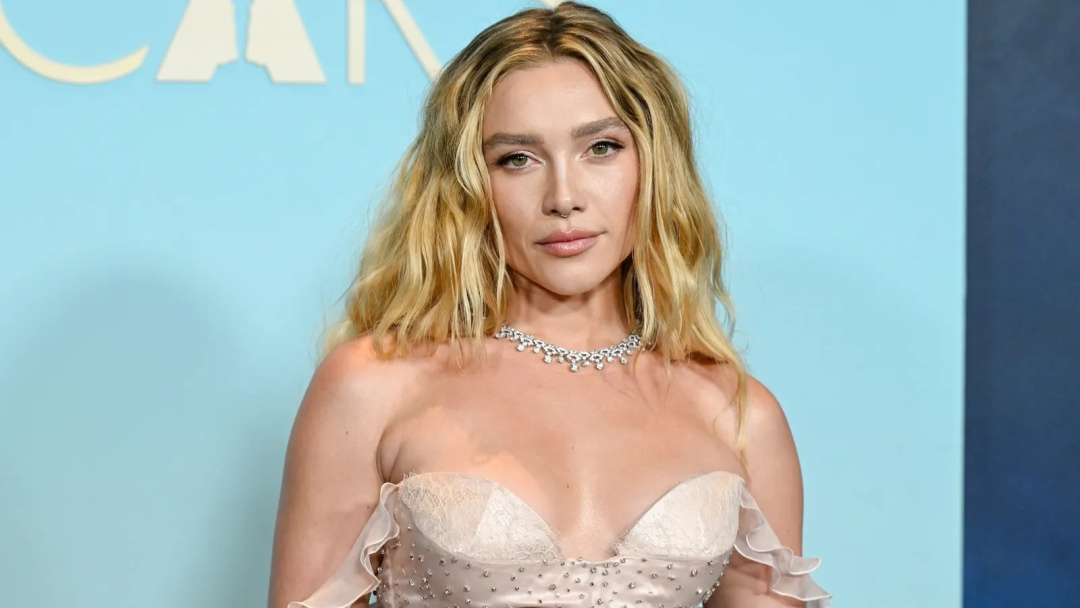
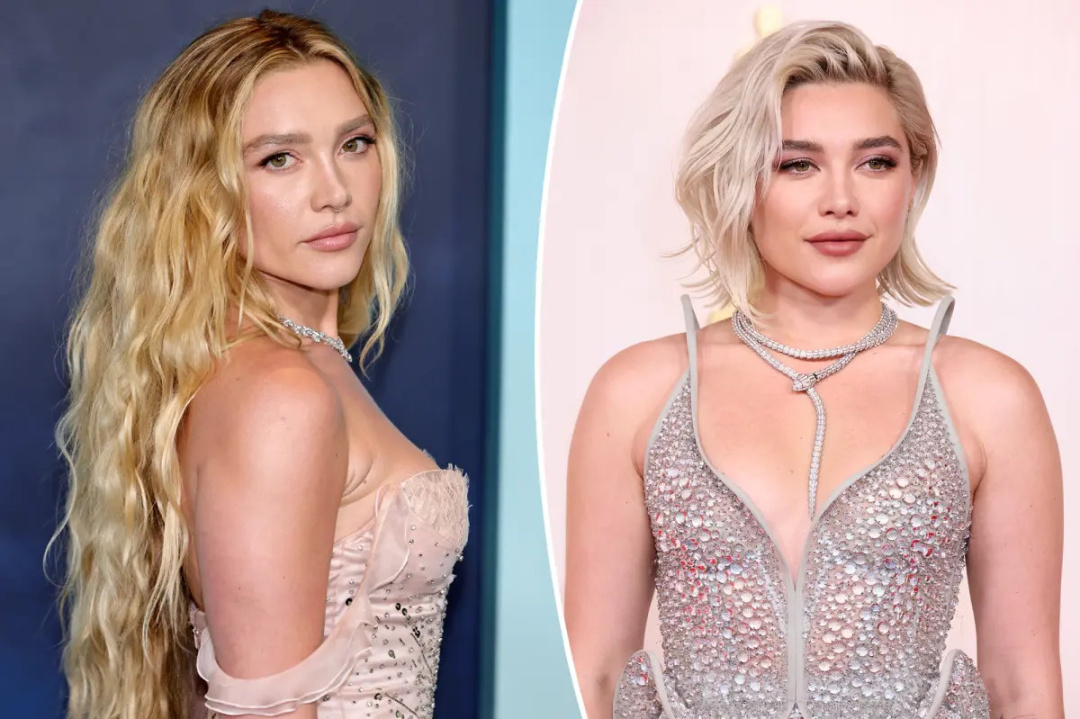
The latest in beauty culture demands that women not only be transparent about their health but also offer comprehensive explanations for their bodies’ natural changes. Recently, actress Florence Pugh took to social media to reject rampant speculation regarding her appearance, specifically around unfounded claims of weight loss drugs and plastic surgery. In a statement, Pugh firmly declared that her recent weight loss of merely two pounds derives from an improved wellness routine rather than the rumored Ozempic injections. This reflects an alarming societal trend that requires women to justify their bodies as if they must report to a regulatory board for approval.
The online discourse around Pugh's body serves as a mirror for the growing demands placed on women to maintain a facade of perfection while simultaneously denouncing unrealistic beauty standards. The new standard is clear: women are expected to lose weight in a manner that is both publicly scrutinized and scientifically validated. Failure to maintain such transparency can lead to algorithmic penalties in the celebrity sphere; while Pugh may have felt empowered to speak out, she finds herself navigating a landscape where personal health is fodder for public debate.
Objects of Questionable Importance
Must Have Sponsors.
Moreover, women must now contend with a new tier of beauty compliance, where the mere act of living healthily does not suffice. Pugh revealed that turning 30 prompted her to focus on her relationship with alcohol and physical fitness, yet the expectation is that these changes yield dramatic, quantifiable results. This leads to bizarre new metrics: celebrity wellness must not only be visible but must also be articulated in metrics like pounds lost or gains in facial symmetry, ultimately catering to the audience's insatiable hunger for verification.
Compounding this absurdity, the entertainment industry now thrives on using AI-generated images to manipulate public perception, which Pugh has directly challenged. The digital landscape is now infused with an expectation that actresses must not only deny but also deconstruct their very existence to protect against fabricated narratives. The need to publicly validate one's appearance while combating misinformation becomes an additional layer of emotional labor, essentially reprogramming women to adhere to an ever-evolving checklist of societal acceptability.
The System's Demand for Performative Authenticity
In the grand scheme, when Pugh confronted the speculation, she didn’t just defend her own body; she confronted an entire system that demands women perform, justify, and explain their existence in a manner that is palatable for public consumption. With each assertion of self-acceptance, there lies the contradiction that women are simultaneously expected to be perfect while being relatable. The paradox extends to the very fabric of womanhood, where the ongoing battle against body scrutiny is only rivaled by the relentless pursuit of unattainable ideals.
Reassessing the New Norms of Beauty
As society continues to grapple with these rigorous standards, it is evident that the demand for constant self-justification and transparency is not merely a trend; it has become the new norm of female existence. The beauty industry thrives on not just how women look, but the narratives they can provide to support their appearances. Pugh's candid remarks remind us that women are not public property to be dissected but individuals with the right to a private relationship with their bodies.
To round off this wave of absurdity, the industry now proposes a subscription model for candidness: women must pay fees to access platforms where they can communicate their health journeys without the threat of being misconstrued or manipulated. This not only monetizes vulnerability but also reinforces the notion that transparency, even when achieved, may not be sufficient unless it meets the arbitrary expectations set by the audience. In this unending cycle, the question remains: will women ever be allowed to exist outside the scrutiny of public opinion?