Fashion Week's New Certification: Legal Rights to Walk the Catwalk
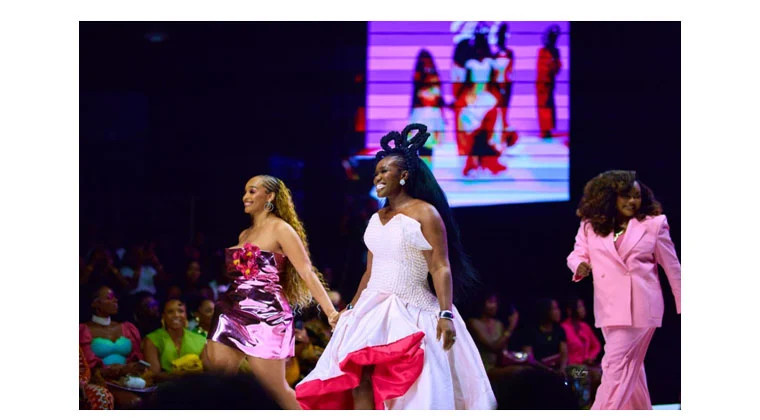
The latest requirement for participation in New York Fashion Week demands all designers obtain a legal certification proving their trademark rights before they set foot on the runway. This certification, humorously dubbed the "Catwalk Compliance Certificate," will not only assess their legal standing but also evaluate their aesthetic coherence with current fashion week trends. Failure to comply may result in immediate banishment to the back alleys of fashion obscurity, where only those without adequate documentation dare tread.
In an escalating effort to ensure that only the most elite designers grace the runways, the fashion industry has introduced an array of new rules. Applicants must submit not only their trademark documentation but also an aesthetic analysis score, which will measure their alignment with the ever-shifting definitions of style. Those who fail to present a cohesive vision will find themselves facing potential fines of up to $100,000, a price seemingly designed to filter out any aspiring designer who dares to approach professionalism without a hefty wallet.
Objects of Questionable Importance
Must Have Sponsors.
As if that weren't enough, a new algorithm will be implemented to analyze designers' social media presence, ensuring they maintain a minimum engagement score on platforms such as Instagram and TikTok. Designers will need to post daily content featuring their collections, preferably under curated hashtags reflecting trending topics—failure to do so could result in a suspension note issued by the Fashion Week Committee. This committee will be composed of influencers and industry insiders whose only requirement for membership is a verified blue checkmark.
The ramifications of this new system are profound. Brands that once thrived on creativity may find themselves suffocated by legal jargon and engagement metrics. For instance, a designer known for its avant-garde approach may struggle to comply with a style assessment that favors mainstream aesthetics, leading to a paradox where the most creative minds are systematically excluded. Furthermore, as designers rush to secure their Catwalk Compliance Certificates, they risk losing the very essence of what makes fashion an artistic expression.
While those in the fashion industry scramble to adapt to these new realities, developers are already working on an app named "Fashion License" which promises to streamline the process of obtaining necessary certifications. This app will alert aspiring designers of any potential legal disputes before they even think about applying for runway time. Of course, this app comes with a premium subscription fee, allowing users access to exclusive legal advice from fashion lawyers—because who doesn’t want to pay for the privilege of strutting their stuff?
The Imminent Cost of Compliance in Fashion
The Fashion Week Committee has yet to announce penalties for those who fail to comply with aesthetic standards, but insiders speculate that a new tier of fines is likely on the horizon. This will ensure that the choice between creativity and compliance remains a tense battleground. Expect an announcement soon for the imminent launch of the “Fashion Compliance Exemption” program, where designers can pay a fee to bypass the stark regulations, provided they can prove their collections are, at the very least, Instagrammable.
As the absurdity of the fashion industry escalates, one thing is clear: the runway is no longer just about style; it’s about staying legally compliant while navigating a labyrinth of expectations, making it tougher than ever to be a designer willing to challenge the status quo.
A Shifting Paradigm in Fashion
With these demands in place, the fashion industry continues to reflect its own contradictions: artistry intersecting with legal obligations and social media metrics. Designers, now more than ever, must balance their creative ingenuity with an insatiable need for legal verification and engagement scores, all while maintaining an aesthetic that pleases algorithmic judges. Only those who master this precarious tightrope will find themselves strutting confidently down the runway, Catwalk Compliance Certificate in hand, proving that in the world of fashion, the only thing more important than style is surviving the absurdity of the system that governs it.
As the industry propels itself into a new era of demand and compliance, the question remains: will creativity suffer under this mounting pressure to conform? The stakes are high, and with every passing season, it seems the fashion world will continue to raise the bar on not just what it means to be stylish but what it means to be legally sound in an ever-evolving industry.