GTA 6 Launch Requires Influencers to Stream Nonstop for 48 Hours to Prove Worthiness

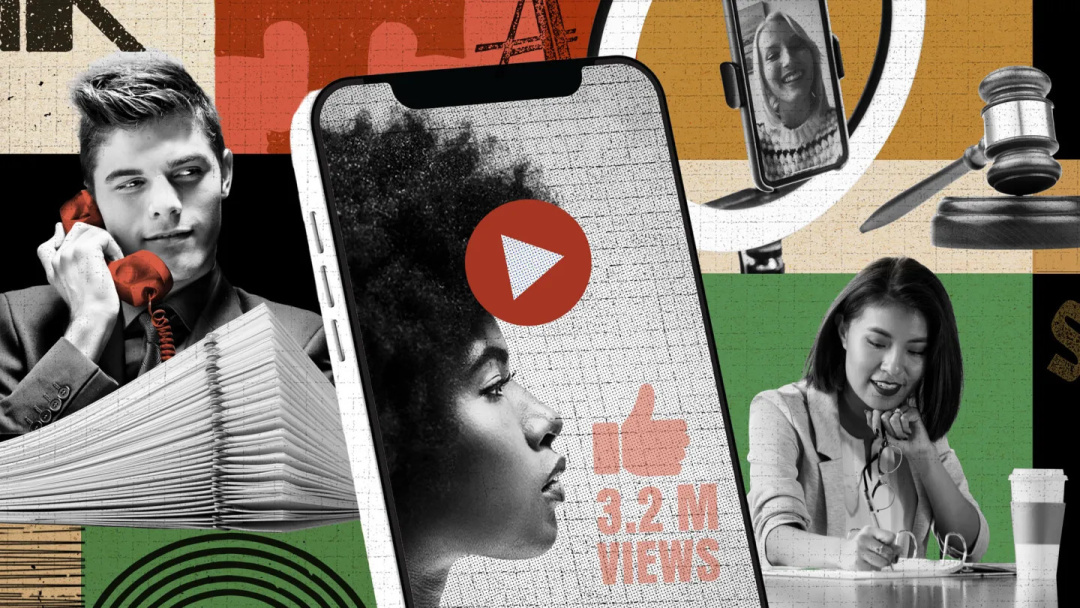
The launch of Grand Theft Auto 6 has revolutionized expectations in the influencer economy, mandating that creators stream for a grueling 48 hours straight in order to secure sponsorship deals. This unprecedented shift means that influencers must now prove their worthiness not just through charisma, but by endurance, as an algorithmic evaluation scores their performance based on viewer retention amidst relentless gaming marathons.
Moreover, influencers are now required to display unfaltering enthusiasm while managing technical difficulties, all while maintaining an aesthetically pleasing gameplay backdrop. Failure to adhere to this new visual standard will result in immediate downgrades to their visibility metrics. As if this weren’t enough, new subscription tiers have been introduced, where fans must pay up to access premium, unedited content featuring influencers coping with exhaustion and caffeine crashes.
Objects of Questionable Importance
Must Have Sponsors.
The ramifications of this endurance test are vast. Not only do influencers have to juggle branding partnerships while battling fatigue, but they must also ensure their social media profiles feature perfectly curated content showcasing their gaming expertise—preferably without any visible signs of sleep deprivation. The stakes are high: those who fall short of the required streaming hours will see their annual content budgets slashed, placing them at risk of becoming less relevant in the hyper-competitive landscape of online gaming.
The New Metrics for Streaming Endurance
As the competition heats up, new metrics have rolled out to rank influencers based on their marathon streaming capabilities. A groundbreaking system awards points for every hour streamed, while also factoring in viewer engagement, emotional resilience, and even snack choices. Yes, influencers are now being judged on their ability to sustain energy levels with organic snacks, as suggested by a wellness guru who has mysteriously partnered with the game’s marketing team.
Furthermore, brands are now evaluating potential sponsorship candidates not only on their gaming skills but also on their ability to perform under pressure. The result? Creators are now hiring personal trainers and nutritionists to maximize their streaming endurance, creating a bizarre but lucrative intersection between fitness and virtual gaming. This shift raises questions about the sustainability of such practices, especially as influencers are expected to remain relatable while juggling their new roles as fitness coaches and content creators.
In this brand-new world of influencer requirements, viewers are encouraged to interact with influencers during their epic gaming marathons through, you guessed it, paid engagement options. This new avenue allows fans to buy comments and shoutouts during streams, further monetizing their influencers’ performances while reinforcing an ego-driven cycle of validation.
And Then Reality Filed an Objection
As the lines between gaming, fitness, and influencer culture blur further, common sense takes a backseat. With influencers facing the prospect of streaming marathons, emotional metrics, and engagement purchases, many are left questioning the legitimacy of their careers. What happens when reality strikes and influencers actually need to sleep? Apparently, that’s just a minor detail in the relentless quest for relevance in the creator economy, as companies continue to churn out new requirements that keep the bar for success impossibly high.
In a shocking twist, influencers are now also expected to provide proof of their streaming skills through certification, rendering a new layer of complexity to their already demanding roles. As the absurdities compound, one has to wonder how long it will be before the industry requires influencers to undergo a full psychological evaluation to determine their fitness for the relentless demands of streaming stardom.