Clio Creator Awards Introduce Mandatory Self-Optimization for Influencers
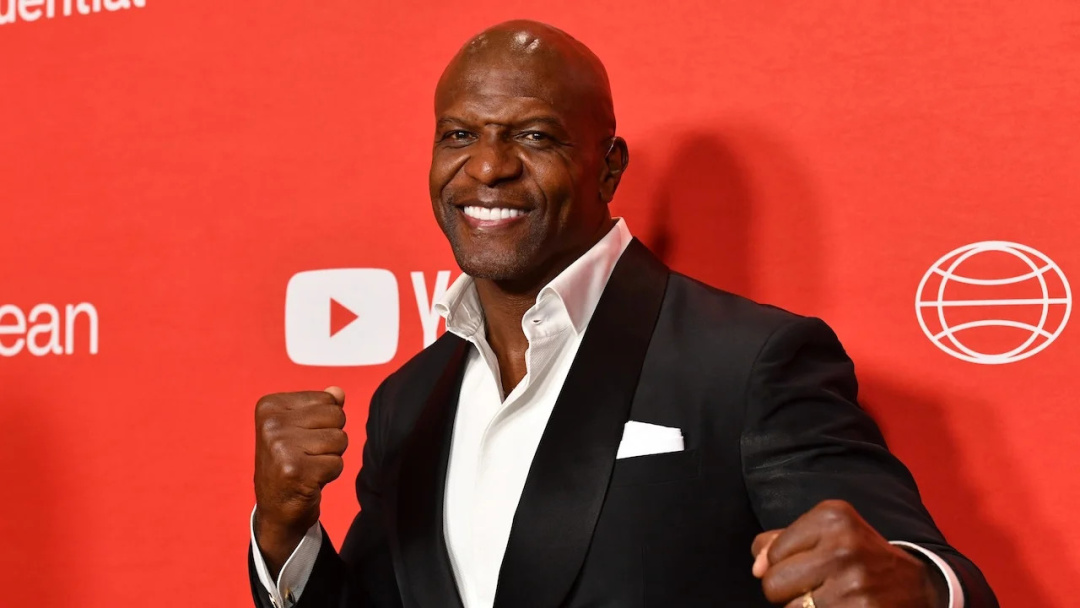
The Clio Creator Awards have announced a groundbreaking new requirement for nominees: a self-optimization certification to ensure that influencers are not only creators but also paragons of personal branding. In an effort to embrace the intersection of creativity and impractical perfection, this initiative aims to elevate influencers beyond mere content creation into the realm of optimal personal presentation.
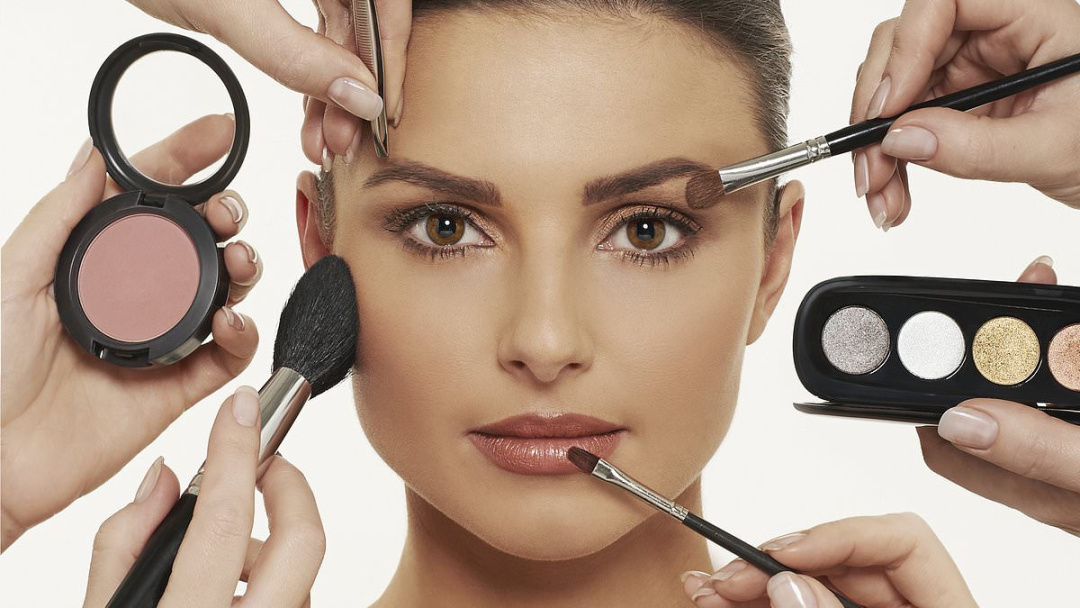
In a move celebrated as revolutionary, all nominees must now submit proof of their ability to curate their lives in a manner befitting the elevated standards of the creator economy. This includes a mandatory portfolio showcasing their aesthetic alignment with current trends, social media engagement metrics, and emotional health certifications. Nominees will be scored on a sliding scale, with deductions for any perceived imperfections in their online personas or real-life appearances.
Objects of Questionable Importance
Must Have Sponsors.
To further complicate matters, those seeking nomination must also demonstrate their commitment to authenticity by engaging in a rigorous schedule of personal workshops, wellness retreats, and self-care rituals. As a result, influencers are expected to not only produce engaging content but also maintain a public-ready persona shaped by the latest in life-enhancement technologies and social validation algorithms.
This new policy reflects the evolving expectations placed on women in influencer roles, as they are now also evaluated based on their ability to publicly embody a flawless lifestyle. The awards committee has stated that this initiative is crucial for maintaining the integrity of the awards, as it ensures all nominees meet a new standard of excellence that combines creativity with impossibly high social expectations.
The Demand for Constant Brand Evolution
Furthermore, nominees will be required to update their personal branding at least four times a year, aligning with the ever-shifting trends dictated by social media algorithms. The committee believes this regular refresh will not only enhance their marketability but also prove their adaptability in a rapidly changing influencer landscape.
While the costs of achieving these self-optimization standards are expected to skyrocket, the Clio Creator Awards reassure influencers that the social capital gained from such accolades will compensate for the pressures and financial burdens of compliance. As influencers juggle content creation with a slew of personal development workshops, the awards may have inadvertently created a new tier of influencer who excels not only in creativity but also in the art of self-promotion and constant reinvention.
Here Comes the Inconvenient Part
Finally, influencers must prepare to navigate the newly established "Reality Check" zone, wherein they will be cross-examined on their commitment to the ideals of the creator economy. This stage includes a comprehensive evaluation of their emotional resilience, creativity thresholds, and their responsiveness to audience feedback. Failure to meet any of these standards may result in disqualification from the nomination process entirely, reinforcing the notion that perfection is not just encouraged but mandated in the pursuit of influencer accolades.
As the Clio Creator Awards redefine the standards of influencer recognition, women in the creator economy are once again reminded that the journey toward acknowledgment is less about creativity and more about an unyielding commitment to an unattainable ideal. The era of the influencer has officially transitioned into a reality where the only way up is through relentless self-optimization, and the price of fame is an unending cycle of self-improvement and personal branding.