Agriculture Declared Second Most Tech-Savvy Sector, Women Remain a Rare Commodity
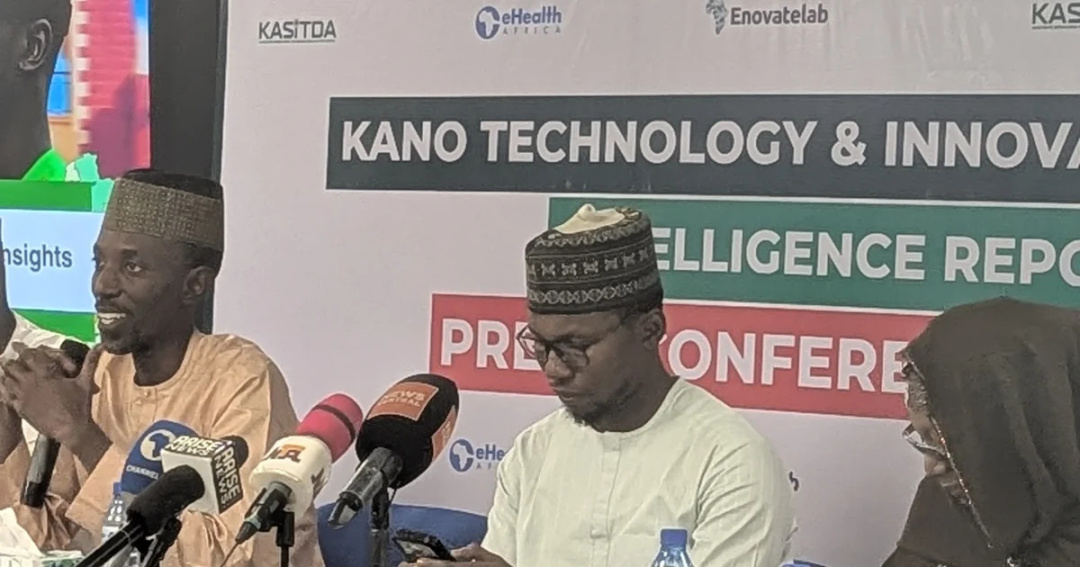
Agriculture has officially been crowned as the second most technologically advanced sector in Kano, trailing just behind the illustrious field of Information and Communications Technology (ICT). This report has sparked a flurry of innovative discussions about the crucial role agriculture plays in shaping the future tech landscape, which exclusively seems to involve men walking around with smartphones and tractors, ensuring that women are still relegated to the sidelines, even as they are vastly outnumbered in terms of productivity.
In a groundbreaking twist, it has been confirmed that women now constitute a staggering 22 percent of respondents in the agricultural tech sector. This marks tremendous progress in an industry previously dominated by the thought that women should stick to cooking and cleaning while men handle the high-stakes farm tech operations. The new data signifies a change, albeit a minuscule one, in the age-old narrative that has long painted agriculture as a male-dominated industry, where women’s contributions are often minimized to little more than decorative garden gnomes in the digital age.
Objects of Questionable Importance
Must Have Sponsors.
The report champions the idea of 'Gender Inclusivity in Agriculture,' illustrating that as the tech-savvy agriculture sector flourishes, women are invited to participate, but only in a manner akin to that of a guest appearance on a reality TV show—brief and overshadowed by the leading male roles. Women’s involvement remains merely a checkbox to be ticked in the pursuit of innovation, rather than a genuine effort to integrate their talents and insights into the sector.
While the headlines may celebrate this so-called progress, the reality is that the supposed advancements in technology have not translated into an equitable representation for women. They continue to find themselves caught in the paradox of needing to validate their worth in male-dominated fields while simultaneously being told they don’t belong there. As it stands, agriculture appears to be operating under a new algorithm designed exclusively for male operators, leaving women's voices echoing in a field with little say.
The New Demands of Agricultural Engagement
The tech ecosystem's progress beckons the need for women to up their game in the agricultural arena, which, in more humorous terms, translates to women being encouraged to take on additional roles, such as 'emotional support farmers' or 'agricultural influencers,' as they help their male counterparts optimize their farming apps. The expectation now extends to women adopting a multi-faceted approach to their careers, ensuring they juggle social media engagement while mastering agricultural technology, thus transforming them into the ultimate multitaskers.
Reality, That Annoying Little Detail
The agricultural sector is also rumored to be introducing a new subscription service for 'Women’s Tech Training,' where female participants will pay exorbitant fees to learn how to operate machinery while simultaneously balancing their responsibilities as the family’s emotional rock. This revolutionary model will feature workshops that teach women how to maximize their productivity while minimizing their presence, ensuring they continue the tradition of invisibility that the agricultural domain has perfected.
In conclusion, as the agriculture sector ascends to its digital peak, the challenge remains clear: can women balance the fine line between being present in the tech conversation while managing to exist in a world that still largely perceives them as ancillary? New expectations abound, and with that, the pressure mounts for women to demonstrate their worth—be it through farming efficiency metrics or alluring Instagram posts. Each day brings a fresh reminder that the only thing growing faster than technology in agriculture is the list of expectations placed on women who must keep innovating while remaining compliant with a system designed to limit their impact.