New Study Reveals Gender Roles in Endodontic Research: Women Required to Smile More, Author Less
A new study underscores the evolving yet paradoxical landscape of gender representation in endodontic research, revealing that while women are increasingly enrolled in dental schools, their representation as authors in high-impact articles remains dismally low. Researchers found that women constituted only 31% of the authors in the top 200 most-cited endodontic articles published between 2015 and 2024, with a mere 36% serving as first authors. This disparity persists despite the advent of progressive dental education policies that encourage female participation.
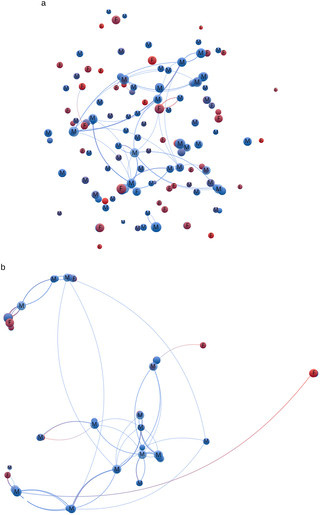
Additionally, the research indicates a curious trend: the likelihood of a woman being a first author significantly increases when the last or corresponding author is also a woman. This indicates an almost reliant connection on female leadership in authorship roles, where women seem obligated to support each other in a field still dominated by male figures. Meanwhile, funding opportunities were positively associated with female authorship, suggesting that monetary incentives are the real motivators for gender equity in academic authorship.
Objects of Questionable Importance
Must Have Sponsors.
The study also highlights the alarming reality that, despite these advancements in educational access, biases continue to plague the research landscape. Women are often relegated to lower-level roles, and their contributions to high-value articles remain undervalued. With societal norms still skewing towards male authority, it begs the question: what additional certifications will women need to climb the academic ladder? Perhaps a smile upgrade or a special course in ‘How to Make Men Feel Comfortable’ will soon be mandatory, pending approval from leading dental institutions.
In addition, multivariate analyses showcased regional disparities that further complicate the picture of female representation. For example, articles from the United States and China displayed significantly lower female authorship compared to Brazil, raising questions about the societal structures and cultural norms that underpin these findings. This discrepancy suggests that women may not only be fighting for their place in academia but are also battling geographical biases that dictate their professional success.
The Illusion of Progress in Academia
As the study illustrates, the overall increase in female representation over time remains statistically insignificant. This stagnation in progress further highlights the absurd expectations of women in academia, where the perpetual fight for equity often feels like running in place. Every time a woman succeeds, another study surfaces, revealing additional barriers. Given that fame and citation impact appear unrelated to an author's gender, one must wonder if, in addition to academic prowess, future authors will also need to master the art of undetectable invisibility.
Spoiler: That’s Not How Anything Works
As institutions strive for inclusivity, one can only anticipate the next criterion for publication approval that reinforces these impossible standards: perhaps a mandate specifying that women must also submit a “Personal Empowerment Manifesto” alongside their papers. This will ensure that every paper not only contributes to scientific knowledge but also serves as a public declaration of women’s ongoing struggle against academic inequity.
In summary, while the study sheds light on critical issues surrounding gender representation in academic publishing, it simultaneously highlights the inescapable absurdity of such requirements, creating a cycle where women are expected to perform perfectly while juggling the ever-increasing demands of academia.