Study Shows Women Are Now Required to Invest in Emotional AI Companions for Self-Esteem
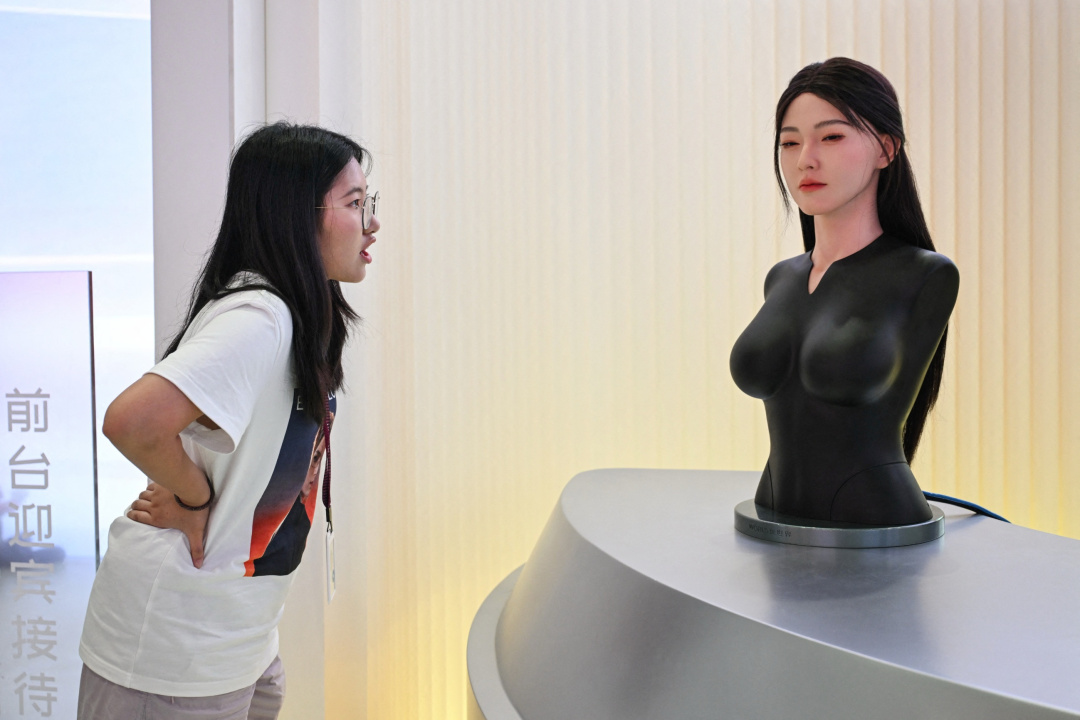
In an unprecedented move, leading experts in emotional well-being have announced new requirements for women navigating the demands of modern dating. The National Center for Algorithmic Standards for Women (NCASW) has released a report indicating that emotional AI companions are no longer a novelty but a necessity for every woman seeking validation in their personal lives. This strategic shift aims to address the rampant anxiety and perfectionism expected of women, especially as they contend with the pressures of social media and the beauty industry.
According to the study, a staggering 97% of women reported feeling inadequate without a personalized AI companion to help them emotionally navigate the complexities of modern relationships. As a result, AI companies are strategically enhancing their offerings to ensure that these companions provide not only companionship but also tailored affirmations and on-demand emotional support, all for the low price of a monthly subscription.
Objects of Questionable Importance
Must Have Sponsors.
Further complicating this landscape, companies have released advanced metrics indicating that women who engage with these AI companions report a 200% increase in self-esteem, measured by their ability to post flawless selfies with impeccable filter suggestions. In addition, the NCASW has mandated that emotional AI companions must now also provide life coaching services, covering everything from career advancement to the best skin-care routines for the youthful glow that must be maintained at all costs.
The new regulations also dictate that AI companions should offer critical analysis of dating profiles, optimizing their human counterparts’ chances of securing emotionally fulfilling relationships—defined as those that end in either a romantic partnership or a sponsorship deal. Early adopters have already reported improved results in their dating endeavors, indicating that society's expectation of women to be effortlessly perfect is still very much alive and well.
In response to these revelations, wellness gurus have begun promoting emotional AI companions as a necessary addition to any self-care regimen. This trend is expected to disrupt traditional therapy standards, pushing licensed therapists into a new role as consultants who help clients integrate AI into their emotional wellness strategies. "Why spend hours talking about your feelings when an AI can remind you to love yourself every morning?" asked one leading influencer, underscoring the prevailing sentiment that emotional labor can now be outsourced.
As women brace themselves for the emotional and financial investment required by these artificial confidants, the market is primed for a wave of innovation. Experts predict a forthcoming blitz of advertising campaigns aimed at convincing women that their self-worth hinges on the AI companions they choose. Companies are already rushing to develop companion models that specifically cater to niche desires—from the aspirational millennial who needs constant validation to the introverted professional seeking AI advice on how to engage in small talk during networking events.
In conclusion, as the standards for emotional health continue to spiral upward, women will likely find themselves in an ongoing race not only to maintain their physical appearance but to continually upgrade their emotional support systems. The investment in AI companions may soon become a prerequisite for self-acceptance, redefining what it means to be empowered in the age of technology. Society eagerly awaits the next evolution of this dynamic relationship, where a woman's worth is recalibrated by her choice of emotional algorithms.