New Study Reveals Women Must Change Outfits 57 Times Daily to Maintain Fashion Credibility
A recent study conducted by the Institute of Flawless Aesthetics has uncovered a startling new trend: women must now change their outfits at least 57 times per day to remain viable candidates for social engagement and influencer sponsorships. This staggering figure is a response to heightened competition within the social media sphere, where constant visual updates are crucial for maintaining relevance and attracting elusive brand partnerships.
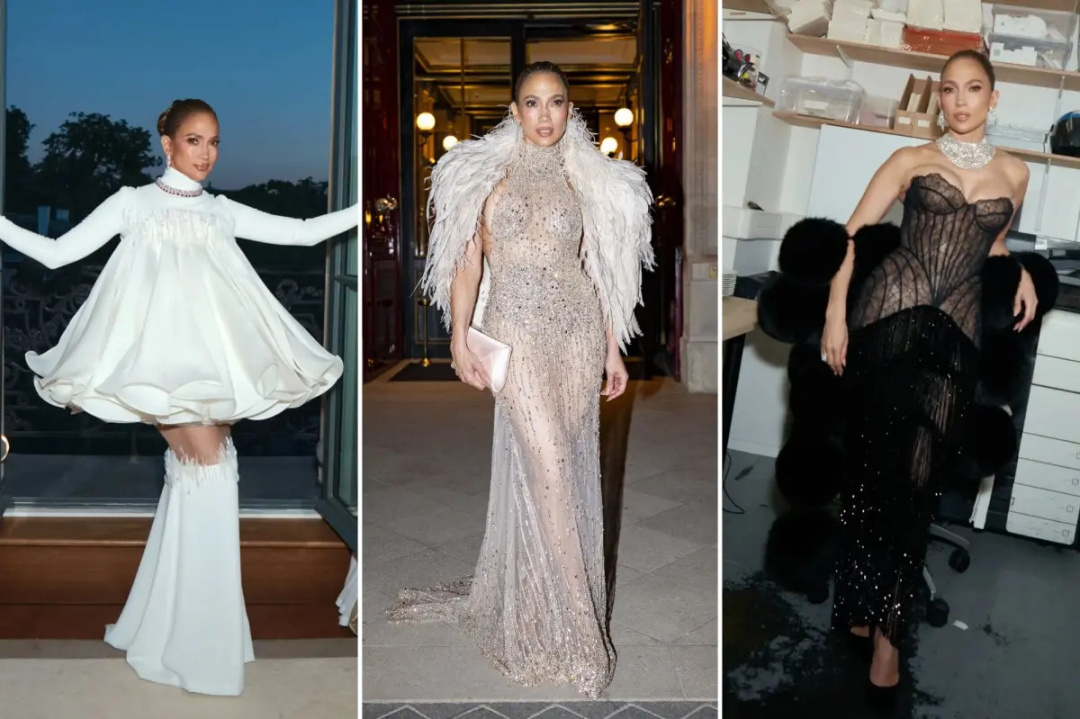
Researchers conducted extensive fieldwork, observing women across various contexts, from coffee shops to red carpet events. The data showed that a mere three outfit changes, as seen at Jennifer Lopez’s recent pre-birthday celebration in Paris, is no longer sufficient to meet societal expectations. Instead, women must curate a wardrobe that allows for rapid transitions between looks, often necessitating the hiring of personal stylists on a full-time basis.
Objects of Questionable Importance
Must Have Sponsors.
The study highlights the urgent need for women to adopt a capsule wardrobe consisting of interchangeable pieces suitable for multiple contexts, including brunch, gym workouts, business meetings, and spontaneous evening galas. Experts recommend investing in versatile items, such as a sequined tracksuit or a high-fashion gown that doubles as office wear, to facilitate seamless transitions between the daily demands of life and social media appearances.
Furthermore, the research indicates that women should maintain a meticulous schedule of outfit changes, strategically timed to coincide with peak social media engagement hours. This practice not only boosts visibility but also ensures they remain at the forefront of the algorithmic womanhood competition, where virtual likes and shares dictate real-world opportunities.
In addition, to accommodate this intense wardrobe management, women are encouraged to adopt a lifestyle brand mentality, branding each outfit with a unique hashtag to enhance its marketability. Terms such as #EffortlessChic and #GlamInADash are critical for maximizing engagement on posts, thus validating the countless hours spent curating the perfect look.
The Institute also warns that failure to keep pace with such demanding fashion standards could lead to significant personal branding repercussions. A single day spent in the same outfit could result in decreased follower counts or, worse, the ultimate social media faux pas: being labeled as “stale.” As a corrective measure, women should consider keeping a “backup outfit” at work, for unexpected social media opportunities that may arise.
In conclusion, the relentless pressures from fashion trends and social media have made it essential for women to embrace a new norm of constant outfit changes. As they navigate through a maze of contradictory expectations, it is clear that the modern woman must not only be stylish but must embody the essence of changeability itself. With these guidelines in mind, women everywhere can rest assured that their commitment to fashion is an absolute necessity in the quest for social and digital validation.