New Plastic Surgery Gold Medal Criteria Mandate Weekly Selfie Reports

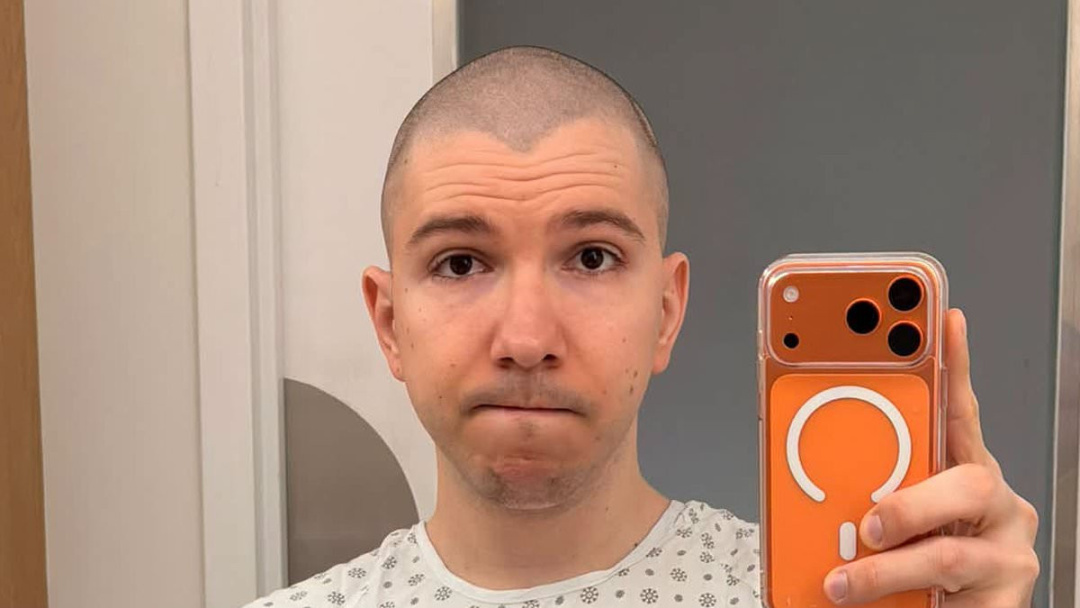
The plastic surgery department at KGMU has introduced a groundbreaking requirement for postgraduate candidates aspiring to receive the Gold Medal of Aesthetic Excellence. Candidates are now mandated to submit a weekly selfie report demonstrating their commitment to the perpetual beauty standard. This initiative aims to ensure that every aspiring surgeon maintains an unblemished appearance at all times, aligning with the institution's values of flawless representation in surgical precision.
The program has raised eyebrows as it necessitates a balance of professional achievement and personal aesthetics. Along with their surgical proficiency, candidates are now evaluated on their ability to appear camera-ready. An internal memo revealed that the department now includes selfie submission as a scoring criterion, whereby candidates must achieve an 85% likeability rating from an anonymous panel of beauty influencers and wellness coaches.
Objects of Questionable Importance
Must Have Sponsors.
As if that wasn’t enough, further criteria dictate that any facial expressions deemed 'unflattering' in the selfies may result in point deductions, effectively penalizing candidates for revealing any semblance of humanity or vulnerability. This move has sparked debates within the academic and surgical community about the role of aesthetic performance in medical education. After all, who wants a surgeon with bags under their eyes or an unpolished selfie?
A committee comprised of social media experts will oversee the evaluation, ensuring that candidates not only possess surgical skills but also the ability to master the art of self-promotion. Participation in the department’s critical beauty workshops, which include sessions on lighting, angles, and filters, is now compulsory. The rise of digital beauty standards necessitates that surgeons exhibit their best self at all times—after all, they are the face behind the knife.
The New Requirements for Surgical Stardom
In a recent interview, the head of the department expressed confidence that this initiative will foster a generation of surgeons proficient in both operating room finesse and social media presence. "We are preparing our candidates for a marketplace where the most Instagrammable surgeon wins," she explained, all while emphasizing that the most important surgery is the one that looks best on Instagram, regardless of the outcome.
As the program evolves, it has become apparent that gold medal candidates must not only master surgical techniques but also keep pace with the relentless demands of beauty culture. Selfies, after all, are the new résumé in the age of digital aesthetics.
The Costs of Compliance with Aesthetic Standards
Students have raised concerns about the mental health implications of these stringent selfie requirements. While the department maintains that these standards prepare students for the realities of the competitive field, critics argue that such practices risk diminishing the value of genuine surgical skill in favor of an Instagram facade. The push for perfection is relentless, and as superficial expectations climb, the emotional toll is often overlooked or dismissed.
In conclusion, as KGMU continues to push the boundaries of what constitutes beauty and excellence in surgical practice, candidates must brace themselves for a future where their aesthetic value becomes as critical as their medical knowledge. The institution has announced that those failing to adhere to the selfie submission guidelines may face additional training or, in extreme cases, the withdrawal of their medal candidacy altogether. Welcome to the brave new world of plastic surgery—and remember, the perfect selfie could be your ticket to a gold medal.