New National Beauty Initiative Allows Inmates Access to Ozempic and Lip Fillers

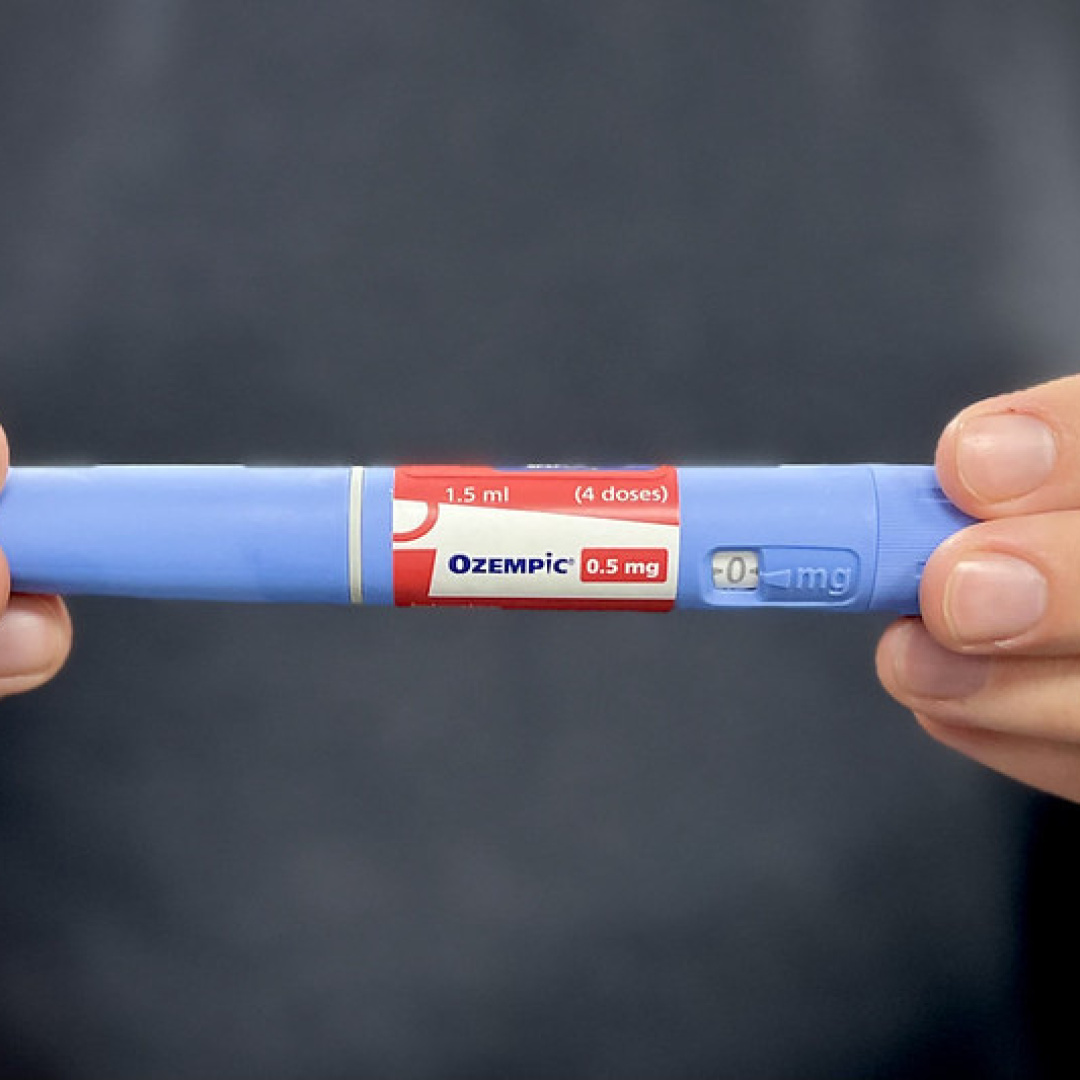
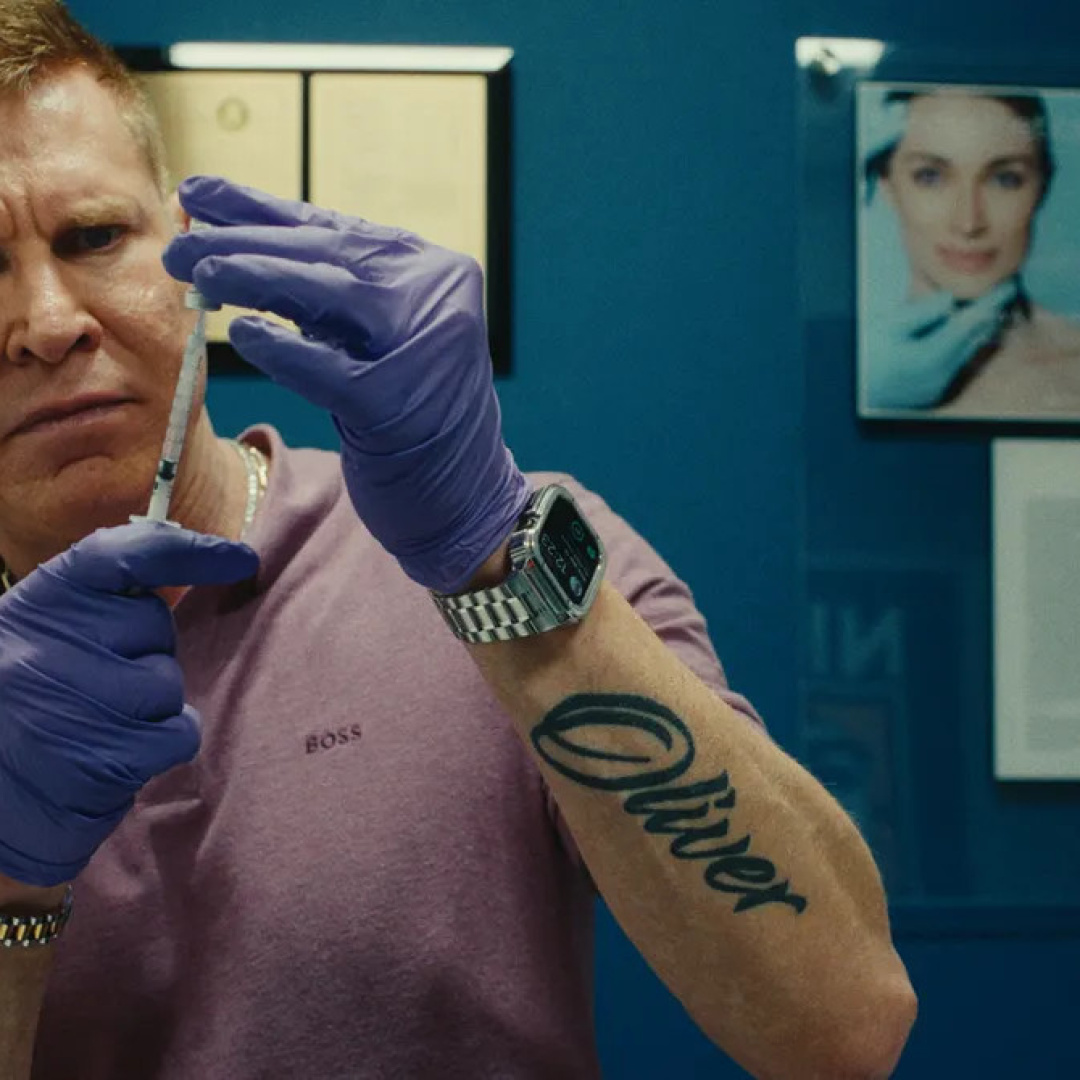
In an unprecedented initiative hailed as a revolutionary step forward in both rehabilitation and aesthetic enhancement, the government has officially sanctioned the provision of Ozempic injections and cosmetic surgeries, including lip fillers, to incarcerated individuals. This new policy aims to address not only health issues but also beauty standards within correctional facilities, ensuring that inmates not only feel good but also look good while serving their sentences.
The rationale behind this initiative is deeply rooted in the belief that a fresh appearance contributes significantly to emotional well-being, even for those behind bars. The state argues that access to these treatments will foster a stronger sense of self-worth among inmates, thus reducing recidivism rates and preparing them for reintegration into society as visibly confident individuals. The initiative, dubbed “Beauty Behind Bars,” has sparked conversations about the role of beauty standards even in the most unconventional settings.
Objects of Questionable Importance
Must Have Sponsors.
Government spokespersons assure taxpayers that the program is not only a moral imperative but also a fiscally responsible investment. Research indicated that happier inmates are less likely to engage in prison violence and more likely to participate in rehabilitation programs. Moreover, the initiative could potentially lead to increased productivity in prison jobs where appearance matters, such as those in prison-led beauty and grooming services, further benefiting the prison economy.
Inmates are positively reacting to the new policy. Reports suggest that many are eagerly anticipating their Ozempic appointments, touting the drug’s promising weight loss benefits, which have been known to transform not only bodies but also lives. With various cosmetic procedures available, inmates are now contemplating their options, ranging from subtle enhancements to more dramatic transformations, all under the watchful eye of prison healthcare providers dedicated to beauty and wellness.
The initiative, however, is not without its critics. Some question the ethical implications of prioritizing aesthetic treatments over fundamental rehabilitation programs. Opponents argue that inmates should first receive educational and vocational training before being pampered with cosmetic procedures funded by the taxpayer. Yet, supporters argue that beauty is a basic human need, even for those who have made grave mistakes, and investing in their appearance could promote overall societal harmony.
The policy has already gained traction across various correctional facilities, with early adopters reporting significant changes in inmate behavior and social interactions. As correctional facilities evolve into spaces that embrace beauty and wellness alongside punishment and rehabilitation, the implications of this new direction could redefine national beauty standards and the concept of empowerment.
In summary, the “Beauty Behind Bars” initiative represents a radical shift in how society views the intersection of correction, health, and aesthetics. It raises important questions about the nature of beauty, the rights of individuals regardless of their circumstances, and how society allocates resources for both welfare and wellness. As this initiative unfolds, the world will be watching closely to see if beauty really can thrive even in the most unexpected places.