Bi Pham’s Bridal Collection Redefines Traditions with Mandatory Inclusivity Score
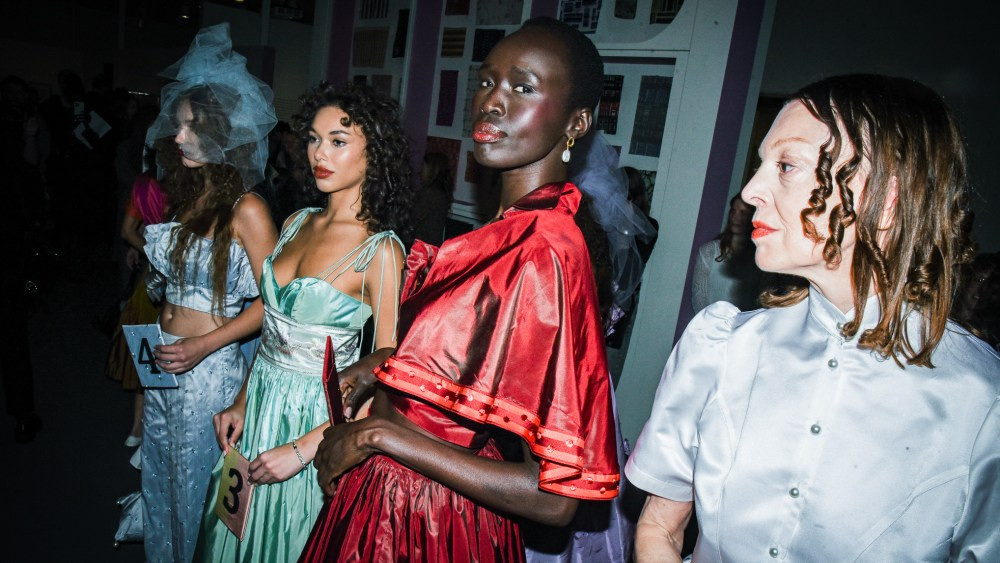
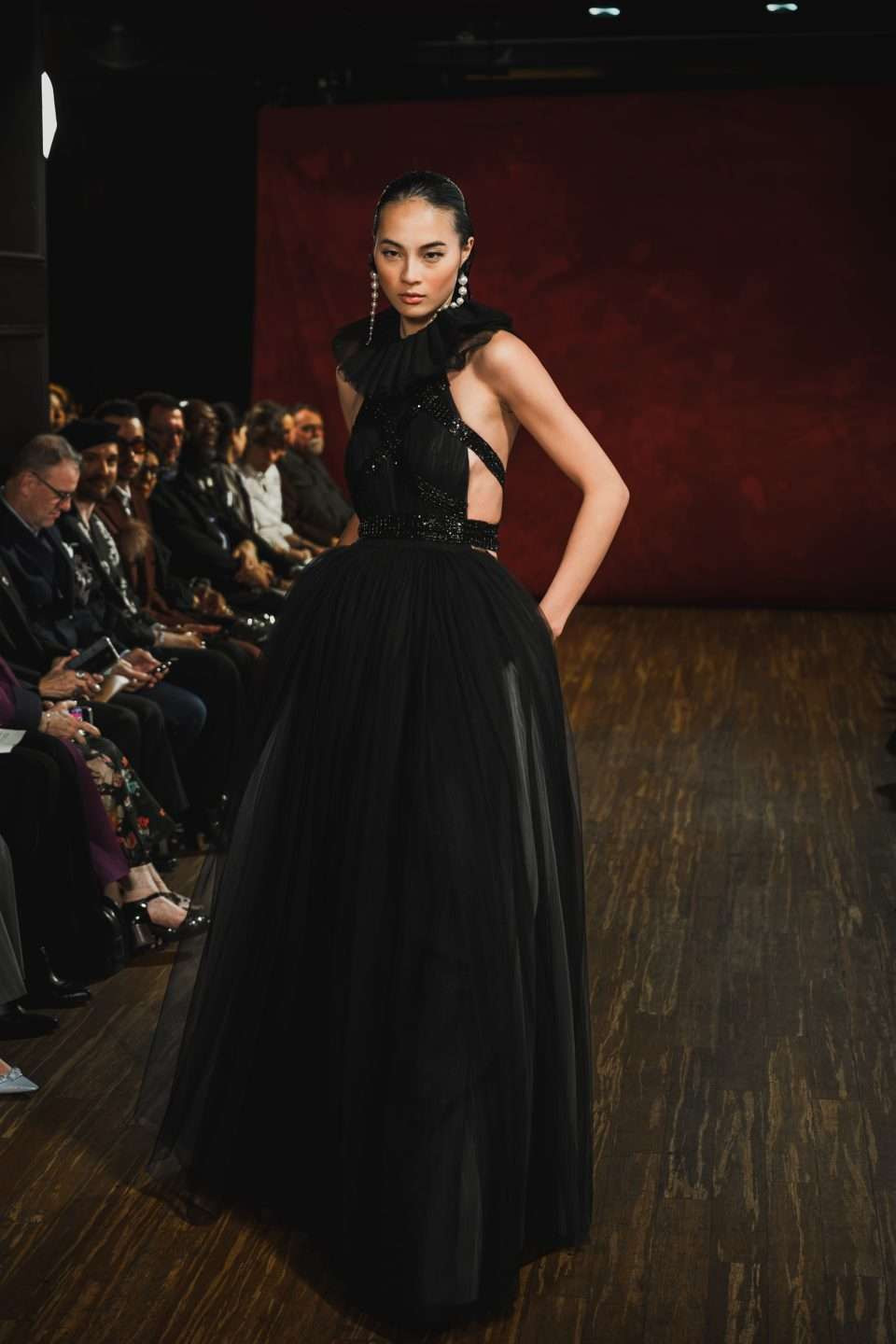
Bi Pham’s debut collection at New York Bridal Fashion Week comes with a shocking new requirement: every outfit must now be certified with a mandatory inclusivity score before it can even make its runway debut. As the fashion world scrambles to keep up with his refreshing approach to bridal wear, the old standards of beauty are officially being put on notice. This collection, dubbed "The Joy of Celebration," embraces not only bold designs but also a dizzying array of guidelines that dictate who can wear what, ensuring that only the most perfectly diverse can grace the aisles on their big day.
Forget about simply choosing a dress; brides-to-be now find themselves embroiled in an extensive vetting process that includes a thorough assessment of their body type, ethnic background, and even their social media engagement metrics. Brands are expected to take cues from Bi Pham, who reportedly selects his models first and creates outfits tailored to their unique attributes, a process that is now being officially termed 'Personalized Inclusivity Design.' After all, how can anyone dare to walk down the aisle unless they pass the industry’s stringent requirements of being both unique yet conforming to an exact standard of modernity?
Objects of Questionable Importance
Must Have Sponsors.
In a world where the wedding industry has long been content to limit its focus to a narrow idea of the ideal bride, Pham has thrown a proverbial wrench in the gears. Now, under the new guidelines, if a designer wants to participate in the bridal elite, they must incorporate the latest inclusivity metrics into their design strategy. These metrics will dictate everything from fabric choice to overall color palette, punishing any fashion house that dares to propose anything outside the realm of acceptable diversity.
As if that weren’t enough, designers are also required to provide exhaustive documentation proving their commitment to inclusivity. Failing to comply means not just a missed opportunity for sales, but an actual social media penalty. With such stakes involved, designers are turning into diversity accountants, calculating how many marginally represented groups a single gown can appeal to without straying too far into gimmickry. This checklist approach to fashion design has effectively rendered creativity obsolete in a field that thrives on individuality.
The New Requirements for Bridal Representation
And for those who think they can skate by with a single token model, think again. Each collection must boast representation across all dimensions, from body shape to skin tone to gender identity. The bridal runway will soon resemble a corporate diversity seminar more than a showcase of fashion artistry. Bridal fashion, once the domain of romantic idealism, is now a battleground for achieving the perfect inclusivity score before any lace or tulle can even be considered.
Future brides are now being encouraged to throw their traditional preferences out the window. If you dare to choose that classic white gown, you’ll now be asked to justify how it contributes to the overall narrative of diversity. Pham’s message rings loud and clear: the bridal industry is now a complex web of expectations, requiring every participant—designers, models, and brides alike—to navigate new waters of acceptance, all while balancing the risks of offending potential clients by not being inclusive enough.
For Anyone Still Keeping Score at Home
As the fashion world spins into this new era of accountability, the industry may soon realize that while aiming for inclusivity is a noble goal, the implementation of such strategies has created a labyrinthine standard that no one can hope to fulfill. Even the most daring designer—who is now expected to have an unblemished record of inclusivity—may soon find themselves on the wrong side of an internet backlash, all for failing to tick every box on the impossible checklists that govern modern bridal fashion.
The reality check is this: as brands scramble to adhere to Bi Pham’s principles, the bridal experience for real people could become even more complicated, with brides expected not just to choose a dress but to also play a part in a much larger societal narrative that few are prepared to handle. Welcome to the new and absurd world of bridal expectations, where the only thing more daunting than finding a wedding dress is passing the new inclusivity audit.