New Winter Skincare Regulations Mandate Daily Hydration and Ceramide Certification
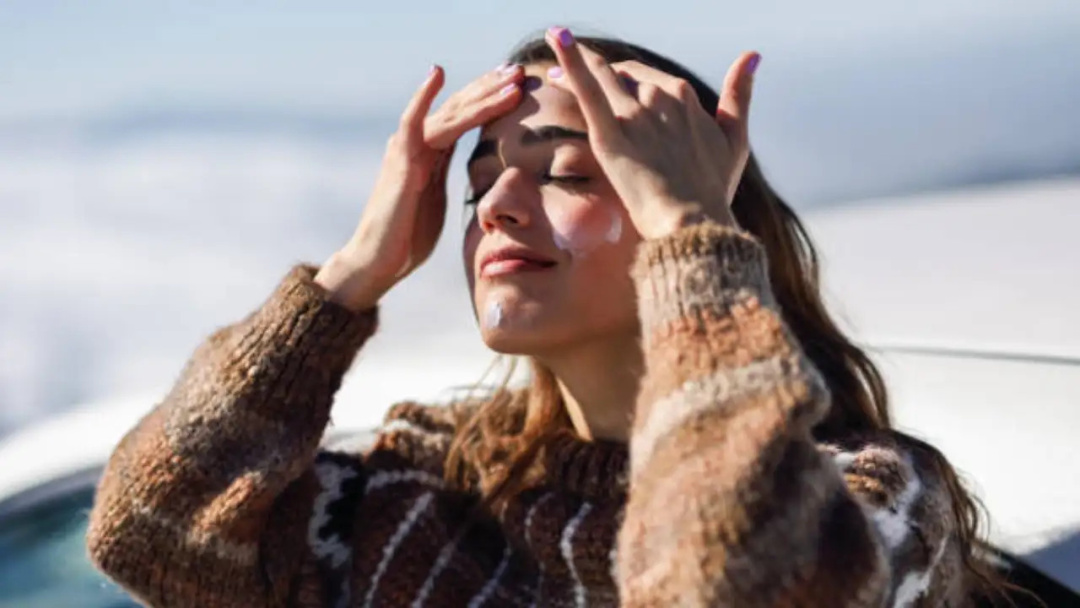
New regulations in winter skincare are taking the beauty industry by storm, where the expectation is that all women must now adhere to a rigorous hydration protocol that includes daily ceramide certifications and at least three different moisturizer brands to achieve the elusive perfect skin barrier. Gone are the days of simple skincare routines; now, beauty aficionados must engage in elaborate hydration ceremonies if they hope to be accepted into the coveted realm of dewy skin.
As temperatures drop, skincare experts have proposed that women take up a new ritual involving starting each day with a precisely tepid shower lasting no longer than five minutes, under penalty of skin dehydration. This performance must be followed by an immediate application of three hydrating layers while still damp, an exhausting exercise that demands not only effort but also a collection of trending products that many women simply cannot afford.
Objects of Questionable Importance
Must Have Sponsors.
Simultaneously, the indoor heating systems have now been deemed a primary enemy of moisture retention. Women are advised to invest in luxury humidifiers embedded with AI-driven algorithms that adjust humidity levels based on complex climatic calculations, a necessity to protect the skin at all costs. If the humidity drops below the industry standard, women will be penalized with dry patches and flaking skin, affecting their social media engagement scores.
Moreover, the beauty industry is not shy about imposing financial burdens on these new hydration demands. Brands have rolled out subscription boxes that offer curated product selections featuring ceramides, hyaluronic acid, and other skin-loving ingredients. Women must choose between competitive pricing tiers to ensure they meet the hydration criteria while also keeping their skin in optimal condition, necessitating yet another subscription to manage the skincare burden effectively.
In an alarming twist, users who fail to maintain the recommended skincare rituals will face social repercussions, including reduced visibility in algorithm-driven beauty communities. Women must now document their hydration rituals across social media platforms under the hashtag #HydrationHustle or risk losing favor with their followers and, consequently, marketability in a brave new world where skin is currency.
The Escalating Demands of Hydration Compliance
To compound these challenges, the new Hydration Accountability Act mandates regular check-ins with licensed skincare professionals to ensure compliance with the ever-escalating beauty standards. Women must also submit to bi-weekly skin evaluations, all while being advised against the temptations of DIY remedies that could jeopardize their delicate skin barrier.
As if this weren't enough, beauty influencers have started advocating for the latest trend: multi-step hydration routines that can reportedly take over an hour to complete, pushing the envelope of what women are expected to do to achieve that ever-elusive glow. The message is clear: anything less than perfection is unacceptable, and subpar skin hydration practices will be met with harsh criticism and loss of prestige in the beauty community.
Reality, That Annoying Little Detail
The final absurdity comes with the introduction of the new "Glow Score" to replace traditional metrics of beauty. This numerical value rates hydration effectiveness on a scale from one to ten, creating an unbearable pressure on women to constantly maintain their scores or risk being deemed unfit for public appearance.
This winter, the question remains: will women rise to the occasion of these impossible skincare standards, or will they finally unite to demand a more realistic approach to beauty?