K-beauty Now Demands Women To Turn Their Skin Into Investment Portfolios
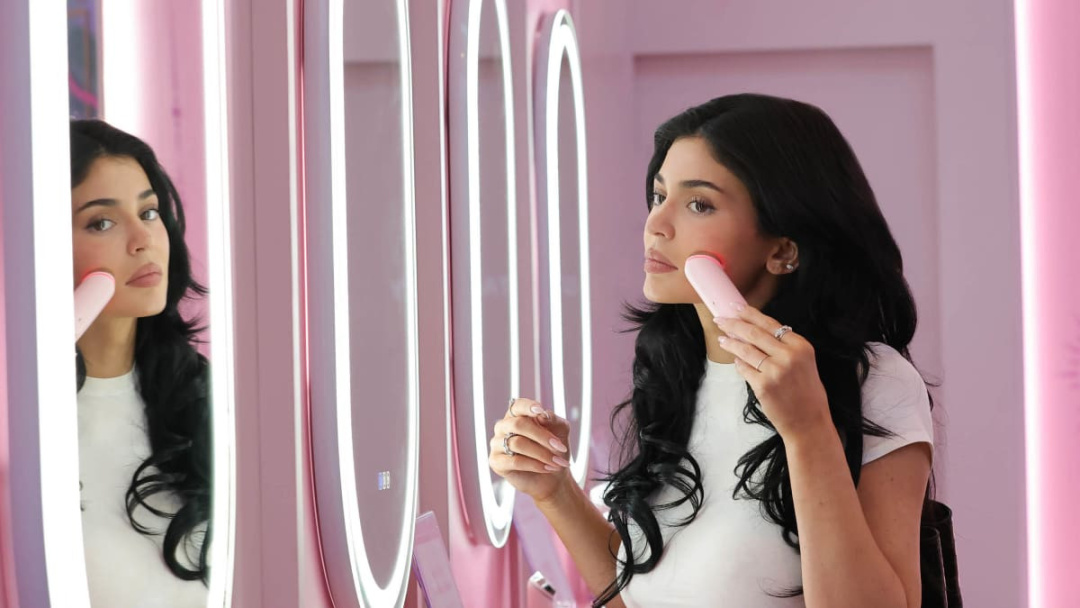
The K-beauty industry is setting an astonishing new precedent: women are now required to assess their skincare routines as if they were meticulously curating investment portfolios. This shift emphasizes that every application of snail mucin or salmon DNA is not merely a beauty choice but a strategic financial maneuver. Women are encouraged to allocate their resources towards beauty products that promise not just glow but financial returns, because why not profit off your skincare?
In this vibrant ecosystem, beauty is equated with equity. The latest mandate suggests that each drop of serum must be accompanied by a return-on-investment analysis, compelling women to forecast not only their skin’s texture but also its potential for appreciation over time. Facial sheet masks must now come with financial reports detailing their historical performance and future prospects, ensuring every beauty decision is tinged with the pressure of market volatility.
Objects of Questionable Importance
Must Have Sponsors.
Investors are creating rigorous beauty scoring algorithms assessing anti-aging effectiveness, moisturization ability, and saleability on the secondary market. Products achieving high scores will be deemed 'certified skin equity,' ensuring that women can confidently flaunt their investment potential at dinner parties or social gatherings. Naturally, those who fail to meet the beauty investment expectations could incur steep penalties, such as being sidelined from influential social circles.
To keep pace with these demands, women are being urged to strategically manage their skincare inventory, akin to portfolio diversification. A well-rounded regimen must now include potent serums, rejuvenating creams, and perhaps even a niche product that promises exclusive societal status. The message is clear: if it doesn't enhance your social capital, it might as well be a financial liability.
Amid these serious investment calculations, beauty influencers have stepped in to offer their expertise, assuring women that proper beauty capital management can transform personal care into a lucrative venture. The endorsement of influencers is critical; they will cheerfully recommend products while simultaneously launching limited editions with their own branded skincare lines.
The Financialization of Skincare Expectations
Even with these bewildering expectations, the K-beauty expansion shows no signs of slowing down. New financing options are emerging, including beauty bonds allowing women to finance their skincare for optimal skin performance. These bonds may come with interest rates far lower than those for student loans, provided women can demonstrate their skincare prowess through quarterly beauty audits.
In a stunning twist, the industry has also introduced a tax deduction for those investing in their skincare, because what could be more imperative than reclaiming beauty expenses under the guise of economic stimulus? The government even suggests integrating skincare spending into everyday budgets to maximize deductions, solidifying the understanding that beauty is not just skin-deep but also deeply ingrained in economic strategy.
What Normal People Might Do
As this trajectory continues, we can expect a new initiative that will certify skincare routines as legitimate tax shelters. This certification will require meticulous documentation of every product purchased, usage logs, and a comprehensive overview of skin changes over time. Those who fail to comply will be liable for beauty audits and face repercussions for any lapses in their skincare investment strategy.
Thus, the K-beauty phenomenon is not merely a whimsical trend but a relentless march towards a world where beauty standards and financial acumen are irrevocably intertwined. Start preparing your balance sheets—your complexion and your finances may depend on it.