New Study Shows Skin Resilience Depends On Honey's Ability To Promote Self-Repair
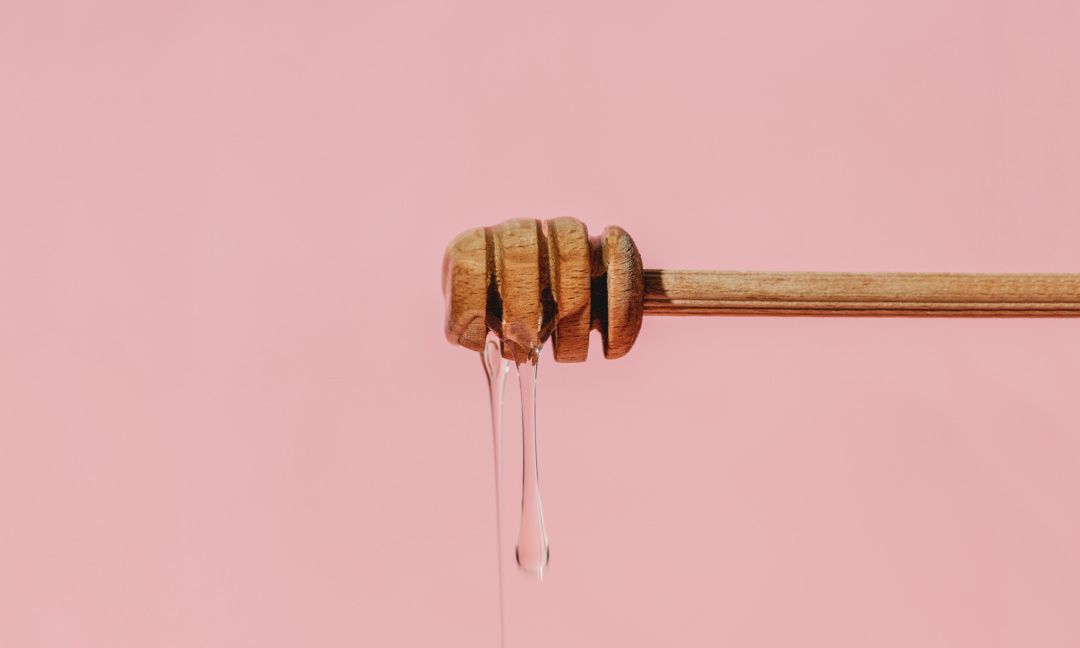
In an astonishing new development that is sweeping the world of skincare and wellness, researchers have revealed that honey, a staple in pantries worldwide, might be the secret ingredient for youthful resilience in the skin. This groundbreaking study asserts that the true power of honey lies not in its sweetness, but in its potential to help skin cells recover from UV stress, fundamentally reshaping the narrative surrounding anti-aging products.
As skin ages, it faces an uphill battle against environmental aggressors such as UV rays and pollution. Traditionally, beauty standards have fixated on minimizing visible signs of aging, such as wrinkles and fine lines. However, this study shifts the focus from surface-level concerns to a more profound understanding of skin health, suggesting that enhancing the skin's ability to repair itself may be the ultimate key to youthful vitality.
Objects of Questionable Importance
Must Have Sponsors.
Researchers in Italy conducted a series of experiments using multifloral honey on human skin cells, observing how these cells responded to UV light exposure. The findings were illuminating: skin cells treated with honey exhibited increased antioxidant activity and a remarkable reduction in oxidative stress markers. This suggests that honey may help skin not only to look better but to function optimally, a concept that runs counter to the traditional approach of simply masking symptoms.
The implications of these findings are vast. Instead of focusing solely on anti-aging cosmetic procedures that promise youthful appearances, the skincare industry may soon shift towards formulations that prioritize cellular resilience and internal health. This seismic realignment could encourage consumers to rethink their beauty routines, favoring products that promote genuine skin health over superficial enhancements.
Interestingly, the study's findings also point to the role of honey-treated skin stem cells, which are crucial for skin renewal and repair. In a world obsessed with instant gratification, these cells demonstrated an enhanced ability to renew and protect themselves against stressors, a fact that could redefine how consumers approach their skincare regimens.
While the allure of honey as a skin treatment is undeniable, researchers caution against celebrating these results too soon. The study was conducted in a controlled laboratory environment, and translating these findings to real-world applications in skincare products remains a challenge. Nonetheless, the message is clear: real empowerment comes from understanding and nurturing our skin's innate capabilities rather than relying solely on external fixes.
As the conversation around beauty continues to evolve, this research serves as a timely reminder that aging gracefully is less about fighting against time and more about supporting our skin's health from within. Future skincare innovations may well harness the power of honey and other natural ingredients to create products that enhance resilience rather than disguise age-related changes.
In a market inundated with quick fixes and one-size-fits-all anti-aging solutions, this emphasis on internal repair offers a refreshing perspective, challenging consumers to shift their priorities towards holistic health. After all, the journey toward healthy aging is not merely about looking youthful but ensuring our skin can withstand the trials of time with grace and resilience.