New Study Reveals Ideal Influencer Profile: Perfectly Flawed Yet Utterly Relatable
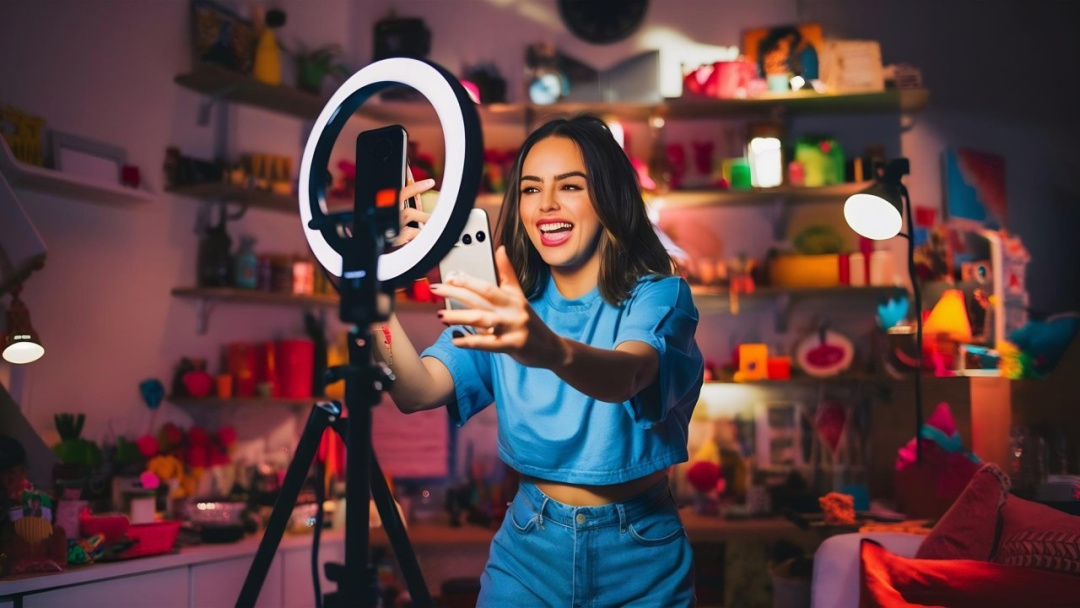
In a profound revelation for the influencer marketing sector, a recent study conducted by the Institute for Algorithmic Womanhood has concluded that the ideal influencer must possess an unparalleled blend of superficial perfection and relatable imperfection. This exhaustive research highlights how the modern influencer operates at the intersection of curated aesthetics and genuine faux pas, meeting the ever-expanding checklist dictated by social media algorithms and audience expectations.
Participants in the study were tasked with embodying traits such as flawless skin, meticulously styled wardrobes, and an uncanny ability to make every meal look like a Michelin-star masterpiece. However, to maintain a veneer of authenticity, they were also required to share deeply personal anecdotes about their struggles with caffeine addiction and existential crises due to the pressure of maintaining a flawless online persona. This contradictory model is designed to appeal to the complex emotions of followers who crave both aspiration and relatability from their digital role models.
Objects of Questionable Importance
Must Have Sponsors.
The researchers observed that influencers who successfully executed this duality saw engagement rates soar, with followers expressing their admiration for the perceived vulnerability that accompanies perfection. "It's crucial that influencers appear to be relatable while simultaneously showcasing a life that most can only aspire to," stated lead researcher Dr. Ideal Persona. "This balance not only enhances their marketability but also ensures they remain relevant in a saturated influencer landscape."
To further complicate matters, the study identified a new hierarchy among the influencer ranks: nano-influencers—those with as few as 1,000 followers—are now viewed as more authentic and engaging than their mega-influencer counterparts, who are often perceived as out of touch. These insights suggest that while numbers still matter, the quality of engagement and the ability to connect through curated chaos are now paramount.
Furthermore, the findings propose that brands should prioritize partnerships with influencers who can convincingly sell the narrative of struggling with mental health while simultaneously promoting wellness products, creating an endless cycle of transactional authenticity. This requires influencers to not only live the perfect life but also to oscillate seamlessly between indulgence and atonement, which is evidently a full-time job in itself.
In terms of marketing implications, the report advises brands to engage with influencers who can demonstrate their flaws in a meticulously staged manner. This includes, but is not limited to, sharing unfiltered moments of self-doubt alongside sponsored posts featuring the latest beauty products promising to eradicate those very imperfections. Such strategic storytelling is poised to solidify the influencer's position on the algorithm's favored list, ensuring that their content is prioritized in consumer feeds.
In a climate where the competition for attention is fierce, the report concludes that the influencers who master the art of being perfectly flawed will dominate the landscape. As the algorithm continues to evolve, aspiring influencers are encouraged to embrace this paradoxical philosophy to thrive in the age of curated chaos while brands look to capitalize on this trend by aligning with those who can sell the narrative of aspirational authenticity. This sets the stage for a future where influencers are not just marketing tools but also complex narratives of societal expectations and personal disclosures, paving the way for a new realm of influencer marketing that rests on the delicate balance of striving for excellence while publicly stumbling through adversity.