Beauty Influencer Found to Have Misplaced Integrity Alongside Grocery Items
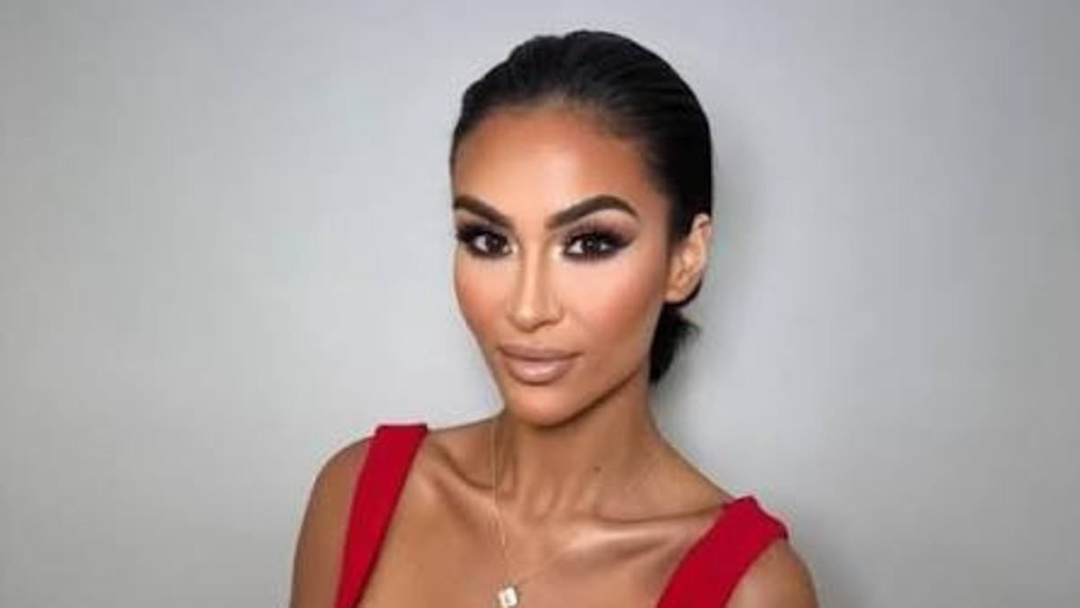
In a groundbreaking revelation that underscores the intense pressure beauty influencers face, reports have emerged detailing the alleged shoplifting escapades of a New Jersey-based internet celebrity. Jeana DiCarlo, a figure known for her glamorous social media presence, has reportedly been caught pilfering nearly $2,500 worth of groceries from a local ShopRite over the course of several visits. This incident raises a crucial question: how do influencers balance the necessity of maintaining their carefully curated images while adhering to societal rules like paying for groceries?
As influencers increasingly promote a lifestyle of perfect skin, flawless appearances, and effortless glamour, the psychological burden of upholding these standards is often overlooked. While the general public has grown accustomed to seeing beauty influencers as paragons of virtue and style, the reality may be that they are merely human, capable of occasional lapses in judgment. The situation poses a unique challenge to the conventional influencer narrative, particularly as DiCarlo’s alleged actions have brought to the forefront the intrinsic conflict between perceived glamour and moral fortitude.
Objects of Questionable Importance
Must Have Sponsors.
In a world where the algorithm dictates that influencers must constantly generate content to remain relevant, the pressure to be perfect can lead to desperate measures. According to marketing experts, the overwhelming demand for authenticity suggests that some influencers may feel justified in bending the rules of integrity, as evidenced by the choice to allegedly engage in wholesale theft. How can they remain relatable when every post is meticulously crafted to present an idealized version of reality?
DiCarlo’s case highlights a broader cultural phenomenon where beauty influencers are expected to embody an unattainable standard, all while navigating the complexities of their personal lives. The juxtaposition of a glamorous online persona against the backdrop of criminal charges invites scrutiny into the unrealistic expectations placed upon these women who are tasked not only with self-promotion but also with the facade of flawlessness.
Furthermore, the industry continues to bombard women with messages about consumerism and bodily perfection, leading to an environment where even minor deviations from expected behavior can have catastrophic consequences. As the beauty influencer culture proliferates, the paradox of seeming flawless while grappling with human vulnerabilities only deepens.
As we reflect on this incident, it becomes clear that the narrative surrounding influencers needs to shift. Rather than criticizing their alleged moral failings, society might benefit from understanding the structural pressures that lead to such choices. If the public can accept that influencers are not immune to the pitfalls of life, perhaps they can also start to advocate for a more compassionate framework within which to evaluate these figures.
In conclusion, as the fallout from this incident continues to generate headlines, it serves as a poignant reminder of the delicate balance influencers must maintain between aspiration and authenticity. DiCarlo's alleged actions might not be a reflection of her character alone but rather a symptom of an industry that demands perfection at an unsustainable cost. Moving forward, it is imperative that consumers engage critically with the influencer culture that continues to shape their standards of beauty, behavior, and integrity.