New Study Reveals Anti-Aging Treatment Actually Just a Time Machine for Women’s Self-Esteem
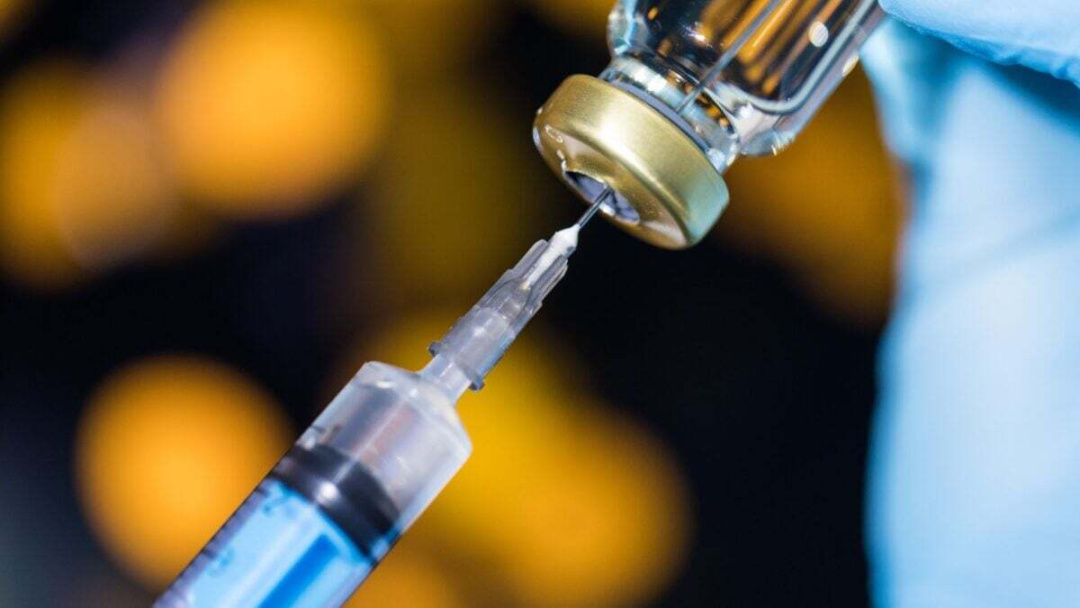
In an unprecedented study conducted at the prestigious Institute for Unrealistic Beauty Standards, researchers unveiled shocking results regarding the efficacy of anti-aging treatments for women. Contrary to popular belief, the most significant benefit derived from these treatments is not the minimization of wrinkles or the restoration of youthful glow. Instead, the treatments appear to primarily serve as a time machine for women's self-esteem, transporting them back to an era where societal approval was unchallenged.
Participants reported remarkable enhancements in their confidence levels post-treatment, even though follow-up assessments indicated minimal changes in physical appearance. This phenomenon suggests that the true objective of anti-aging treatments is not to combat aging but to combat the pervasive narrative that equates worth with youthfulness. As one participant put it, "I may not look 21 again, but at least now I feel like I can get served at a bar without a second glance."
Objects of Questionable Importance
Must Have Sponsors.
The findings have sparked intense debate within wellness circles, with leading figures in the anti-aging market scrambling to rebrand their offerings. In light of this study, brands are now considering adding the phrase "for the self-esteem" to their product descriptions, thereby aligning with current consumer desires for emotional wellness alongside superficial beauty. If you can't reclaim your youth, at least you can reclaim your confidence, right?
Moreover, this study poses a significant challenge to traditional beauty standards, which have long dictated that women must remain perpetually youthful to be deemed valuable. As researchers noted, "The real victory here is not in the skin but in the psyche. We may not be able to stop time, but we can definitely slow down the anxiety that accompanies it."
This paradigm shift has also led to the emergence of new anti-aging strategies, including the implementation of wellness retreats that focus on mindfulness, therapy, and the occasional facial. Oddly enough, these strategies are marketed as the antidote to the pressures of society, yet they still require women to subscribe to yet another set of standards to feel empowered.
Influencers have already begun to capitalize on these revelations, releasing content that encourages women to embrace their aging process while simultaneously recommending products that promise to reverse it. One popular vlogger stated, "You can totally accept your age while spending an exorbitant amount of money to look younger—it's not hypocritical, just a part of the journey!"
While the scientific community continues to refine its understanding of beauty and self-worth, it is clear that the quest for the ever-elusive anti-aging solution is less about preventing aging and more about cultivating an environment where women feel celebrated, regardless of age. As we venture further into this brave new world of self-acceptance contradicted by relentless beauty marketing, one thing remains certain: the pressure to be both ageless and confident is a burden that continues to be as heavy as ever, yet as impossible as finding an authentic influencer.