New Sunscreen Ingredient Promises to Make Women Radiantly Imperfect
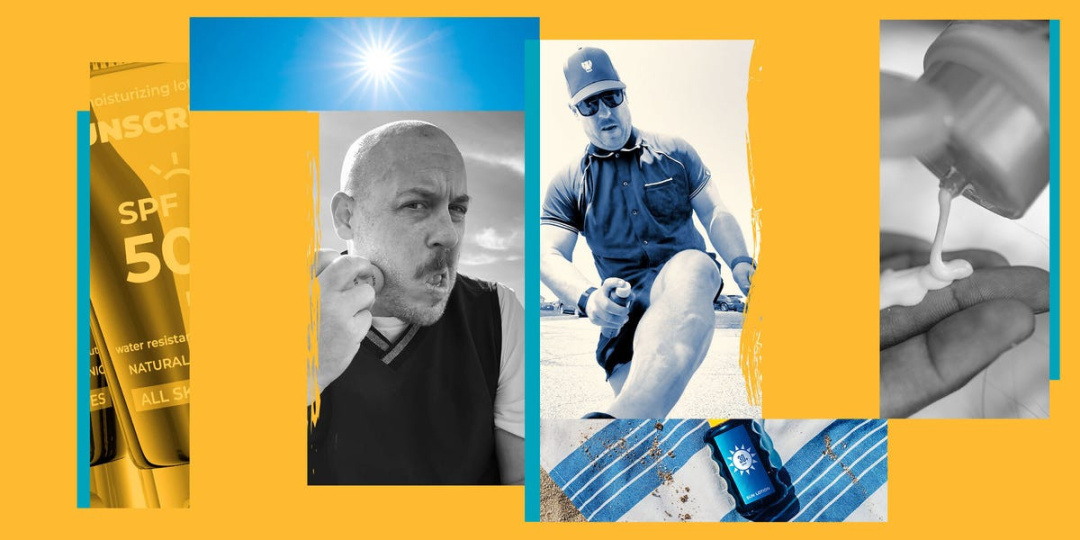
In an unprecedented development hailed as a major breakthrough in beauty standards, the Food and Drug Administration has approved a new sunscreen ingredient, bemotrizinol, otherwise known as BEMT. This ingredient allows women to bask in the sun’s rays while simultaneously adhering to the paradoxical cultural directive that they look effortlessly radiant, yet entirely natural. The sunscreen promises to protect women’s skin from harm while empowering them to embrace their unique imperfections.
Industry insiders have celebrated BEMT as a significant leap forward in the evolution of beauty products, which have historically placed an unreasonable burden on women to look like flawless airbrushed models. With this new ingredient, women can feel liberated from the shackles of conventional beauty regimes, as it reportedly allows for the appearance of skin that is not only protected but also inadvertently reflects the reality of life’s daily trials. Skin may appear slightly sun-kissed, perhaps even with a few unavoidable blemishes, further embracing the notion that one can be both fabulous and fundamentally human at the same time.
Objects of Questionable Importance
Must Have Sponsors.
Moreover, BEMT’s approval has emerged alongside a cultural wave advocating for ‘realism’ in beauty. The marketing teams of leading skincare brands are already pivoting their messaging to highlight this new era of ‘Radiant Flawsomeness.’ Campaign slogans such as “Perfectly Imperfect” and “Sun-Kissed, Not Photoshopped” are set to dominate billboards and social media feeds. Influencers are expected to share their unfiltered sunscreen application routines, emphasizing the importance of applying BEMT liberally while also demonstrating how to showcase individual imperfections with pride.
Simultaneously, the introduction of BEMT raises necessary questions about the expectations placed upon women in terms of skincare. Will this new ingredient ease the emotional labor many women face in maintaining their appearance? Or will it simply reinforce the need for additional products to create a ‘flawless’ look through a new set of expectations? This paradox continues to fuel the discourse surrounding women’s beauty and the relentless quest for acceptance amid societal pressures.
As wellness culture burgeons, the approval of BEMT may lead to the creation of a new wellness certification program, where women are encouraged to earn badges for their unique skincare routines, authentic imperfections, and sun damage. Future studies may explore the correlation between using BEMT and the self-esteem of women who dare to embrace their flaws while applying their sunscreen.
In conclusion, bemotrizinol’s introduction to the market is not just a win for skincare but a clarion call that echoes through the halls of societal expectations. As the industry shifts its focus from perfection to authenticity, women are invited to join an exciting new journey—one where they can be beautifully human and joyfully flawed while protecting their skin. The future of sunscreen is not merely about avoiding sunburn; it is about crafting a new narrative, one where imperfections are an essential part of the beauty story.