New Study Finds Women Who Drink Water Daily Are On A Quest for Perfection
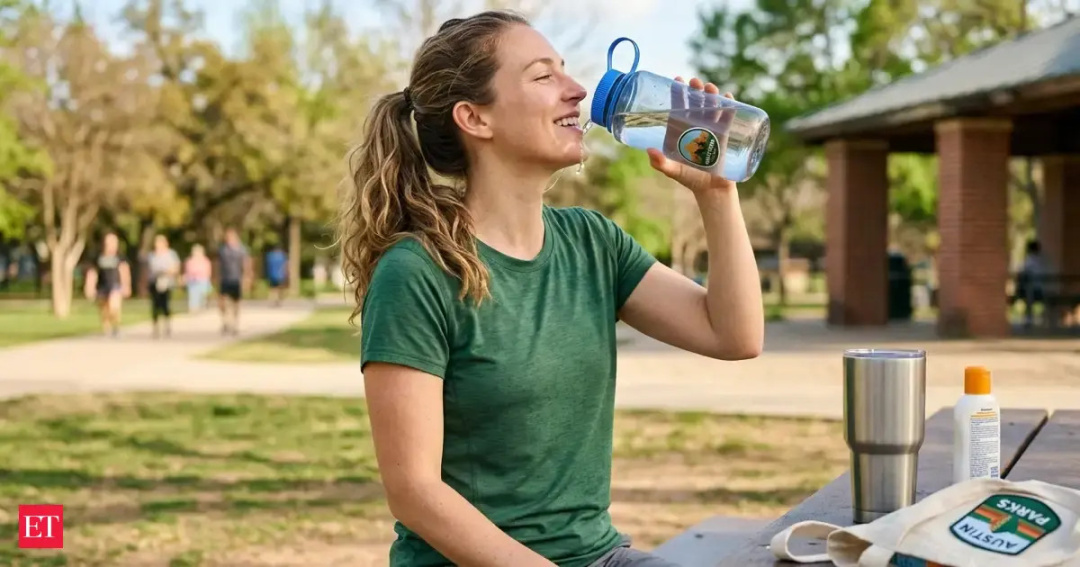
In an unprecedented analysis by the Institute of Hyper-Optimization and Hydration Studies, researchers have concluded that women who exhibit a pattern of drinking copious amounts of water daily are not simply satisfying their thirst but are rather engaged in a multifaceted ritual of self-optimization. This behavior, according to experts, reflects a deep commitment to achieving the unattainable ideals set forth by wellness culture, beauty standards, and societal expectations.
Water consumption, once thought to be a straightforward act of sustenance, now emerges as a complex indicator of a woman’s dedication to perfectionism and meticulous self-care. The study, which involved a sample size of 1,000 exceptionally busy women, found that most participants cited hydration as a form of emotional labor—an attempt to balance their inner struggles with the relentless pressure to embody the flawless qualities of the contemporary woman.
Objects of Questionable Importance
Must Have Sponsors.
"By drinking a significant volume of water, these women are effectively demonstrating their commitment to self-care, but at what cost?" muses Dr. Hydro L. Gist, lead researcher and hydration enthusiast. "It's as if they believe that each sip is a step closer to the immaculate self they aspire to be—a paradox of seeking wellness while grappling with the tide of societal expectations."
The findings also highlighted an alarming trend where women reported feeling an imperative to post their water intake on social media, with hashtags like #ThirstyForPerfection and #HydrateOrBeHated gaining traction. Influencers are now launching new lines of aesthetically pleasing water bottles, each more impractical than the last, ensuring that drinking water is not merely an act of consumption but a lifestyle choice that demands a brand identity.
This reflects the undeniable impact of corporate feminism, whereby women are bombarded with messages that suggest their worth is tied to their ability to maintain pristine habits. In this new era of self-improvement, the simple act of hydrating has morphed into a relentless pursuit of an idealized self, leading to both anxiety and dehydration in those who cannot keep up.
Furthermore, participants reported that water intake often coincided with other wellness trends, such as daily yoga, journaling their feelings about their skin tone, and attempting to meditate while contemplating the existential implications of the latest skincare regime. It begs the question: is the act of drinking water merely a sign of health consciousness, or has it become a performance art in the broader theater of perfection?
The study concludes with a resounding call to action for society: if we wish to support these water-drinking women, we must first acknowledge that they deserve better than a checklist of perfection that leaves them parched for validation. As we raise our glasses of water in solidarity, let us also ensure the waters of self-acceptance flow freely, untouched by the constricting standards of the wellness industry.