FDA Approves New Anti-Aging Treatment: Youth from the Afterlife
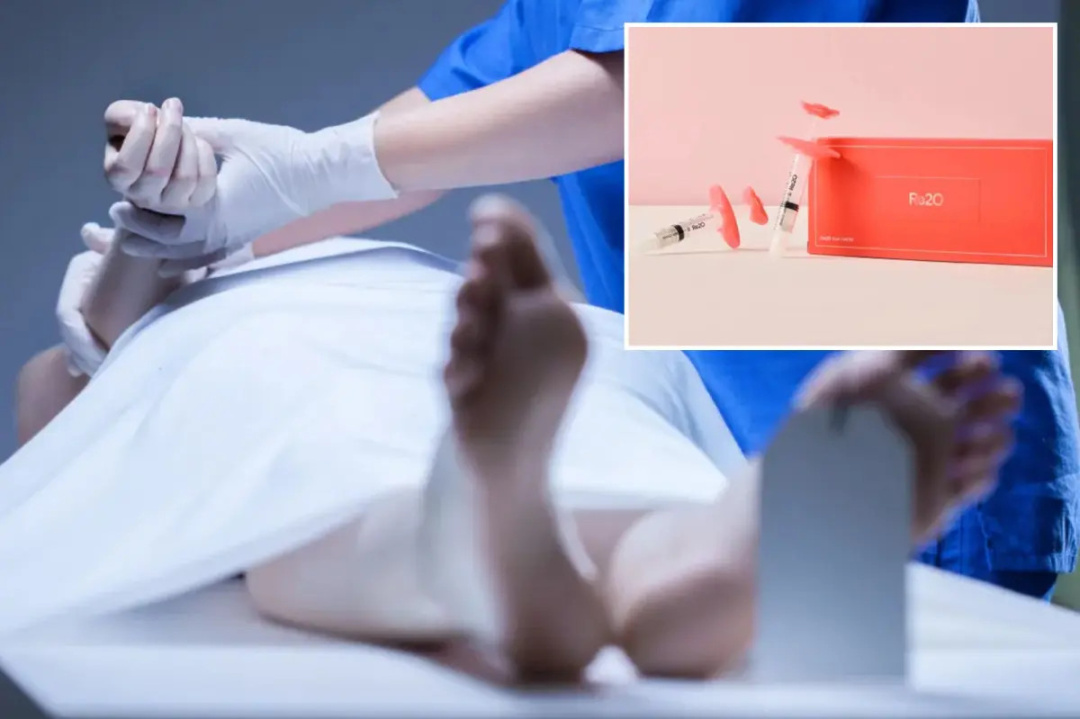
The United States Food and Drug Administration has announced an unprecedented approval for a revolutionary beauty treatment that promises to restore youthful vitality by using cadaver skin. This exciting development aligns perfectly with current wellness trends, allowing women to not only embrace their beauty but also extend their cosmetic horizons to the great beyond. Market analysts predict that this innovative procedure will redefine the age-old quest for youth, transforming graveyards into the latest beauty hotspots.
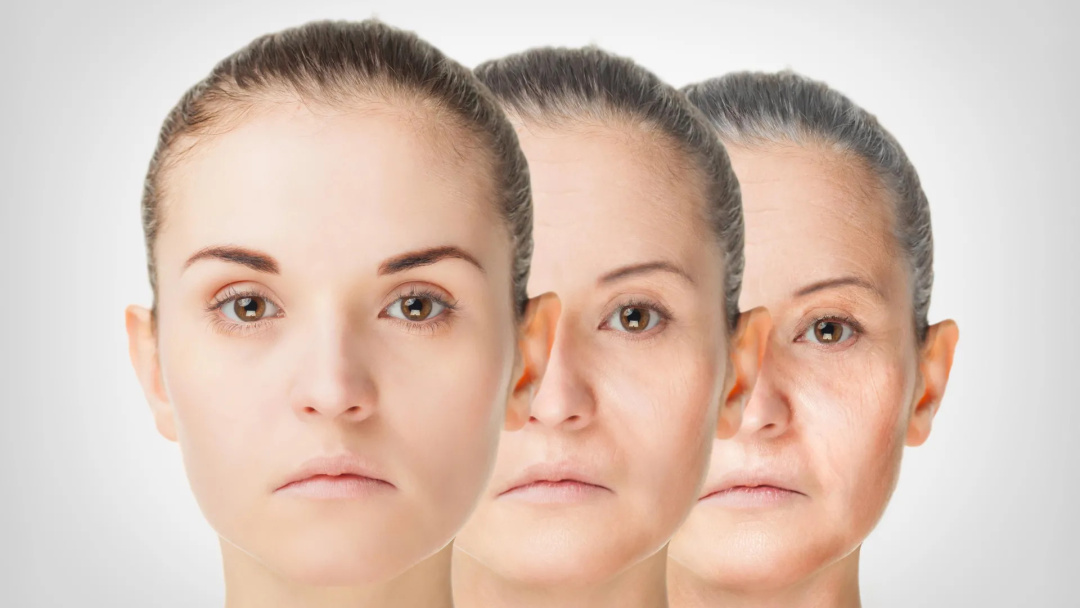
The treatment, aptly named Resurrection Radiance, will reportedly feature a high-grade infusion of dermal tissue harvested post-mortem, providing a unique, natural approach to anti-aging. Clinicians are optimistic about the results, citing testimonials that suggest an enhancement of skin elasticity and a reduction of wrinkles, all while promoting an intriguing new slogan: "Beauty that transcends life!" Early adopters have claimed that after just three days of treatment, they felt as if they had been reborn, with skin as soft and supple as that of a newborn baby — or, as one delighted customer put it, a "newborn baby dumpling."
Objects of Questionable Importance
Must Have Sponsors.
Critics, however, are voicing concerns about the ethical implications of cosmetic procedures derived from the deceased. Yet leading proponents argue that the procedure is a win-win, offering both a youthful glow and a way to honor the departed. The prevailing sentiment in beauty circles is that women should seize the opportunity to reclaim their youth, even from those who can no longer enjoy it. This development represents a significant leap in the ongoing dialogue around beauty standards, particularly those that pressure women to remain eternally youthful despite the natural aging process.
In anticipation of the launch, wellness influencers are already preparing for the flood of content that will inevitably swarm social media. Expert panels are being organized to explore the ramifications of this trend, suggesting women should adjust their self-care routines to include necro-cosmetics as a necessary step towards achieving the idealized look perpetuated by modern beauty must-haves. Just imagine the new skincare routines blending everyday essentials such as serum with a dash of afterlife essence.
Moreover, as more beauty brands sprout from the graveyard of traditional aesthetics, industry insiders speculate about future collaborations with historical figures whose skin might inspire a revolutionary line of cosmetics. The concept of sourcing beauty from beyond may soon lead to the market introduction of products like Shakespearean Skin, Cleopatra’s Complexion, or even the timeless touch of Marie Antoinette.
Undoubtedly, the merging of beauty and the macabre has created a landscape where wellness culture further complicates the already dizzying standards women face. With women now expected to cultivate an aesthetic that spans both life and afterlife, it is clear that the relentless pursuit of perfection has crossed into an existential realm. The beauty industry has once again proven its ability to adapt to the demands of consumers, demonstrating that the quest for eternal youth knows no bounds, not even mortality itself.