New Glucose Monitor Revolutionizes Wellness Culture By Tracking Your Non-Diabetes
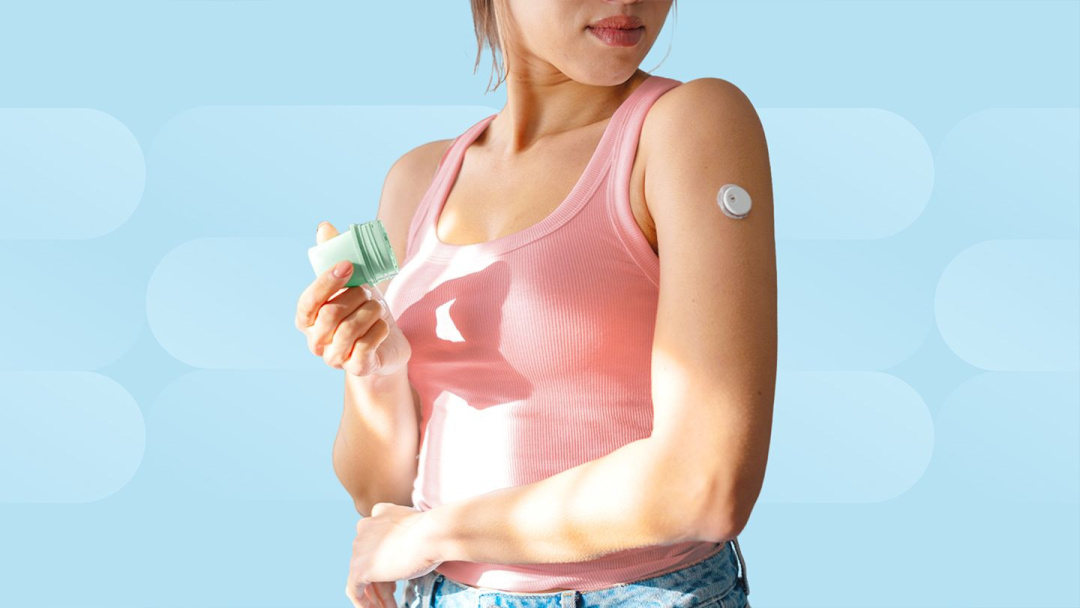
In an astonishing development worthy of a major health summit, wellness advocates have discovered a groundbreaking use for continuous glucose monitors (CGMs): empowering perfectly healthy individuals to obsessively track their non-existent diabetes. Experts and influencers alike are heralding this advancement as the pinnacle of preventative health, ensuring that wellness culture continues to spiral into the absurd.
Advocates for the use of CGMs, typically reserved for those with diabetes, insist that by wearing these devices, users can gain profound insights into their health metrics. However, it appears that the primary insight gained is that one's blood sugar remains entirely unremarkable. In a recent symposium attended by leading influencers in wellness and self-improvement, panelists presented data revealing that health anxieties can now be proactively monitored, allowing the perfectly healthy populace to engage in the age-old tradition of needless stress.
Objects of Questionable Importance
Must Have Sponsors.
“Monitoring glucose levels without the presence of diabetes is not just an innovative trend; it’s a lifestyle choice,” declared Dr. Sarah Overanxious, a self-proclaimed health expert and author of the bestselling book "The Overthinker's Guide to Optimal Health." “Why wait for a diagnosis when you can create your own health crisis?” Her fervor for this new trend is echoed throughout social media, where countless influencers document daily sugar readings, often with captions like "OMG, my glucose just spiked after a green juice! What does this mean for my wellness journey?"
Additionally, the financial implications of this trend are noteworthy. With thousands of dollars being funneled into the purchase of these devices by those who are not diabetic, economists predict a significant boost in the wellness economy. "It's a win-win situation," noted wellness economist Penny Profit, "Health anxiety drives sales, and in this age of wellness, who doesn’t want the latest gadget to monitor their health?"
Critics have raised concerns about the potential misinformation and anxiety this could create. Dr. Jamie Precaution, an endocrinologist, expressed concern, stating, “For someone without diabetes, reading a CGM can be like reading a fortune cookie. It’s not necessarily accurate or helpful and could lead to unnecessary panic.” However, advocates argue that the only real panic comes from not knowing one’s blood sugar status at all times.
Research suggests that the more one monitors their glucose levels without medical necessity, the more they might spiral into an abyss of unnecessary dietary adjustments and alarming overreactions. One TikTok user reported panic buying a cart full of kale after seeing her glucose dip temporarily below the normal range. “I felt like I was having a health crisis,” she shared. “Now, I have a pantry full of organic kale and quinoa.”
As the trend grows, there are whispers of upcoming partnerships between CGM manufacturers and wellness influencers. Rumor has it that a popular fitness brand is developing a line of athleisure wear designed specifically for optimal glucose readings, complete with built-in monitors that sync with your phone every five seconds. Such innovation is expected to redefine not only how we view health, but how we define identity within the wellness culture.
In summary, the use of glucose monitors in people without diabetes is not merely a trend; it's the latest chapter in an ongoing saga of unnecessary self-scrutiny. As society continues to elevate health anxiety to an art form, it becomes abundantly clear that monitoring the unmonitored might just be the next step in the evolution of wellness culture. The question remains: how can we make self-obsession economically viable while feigning a semblance of health?