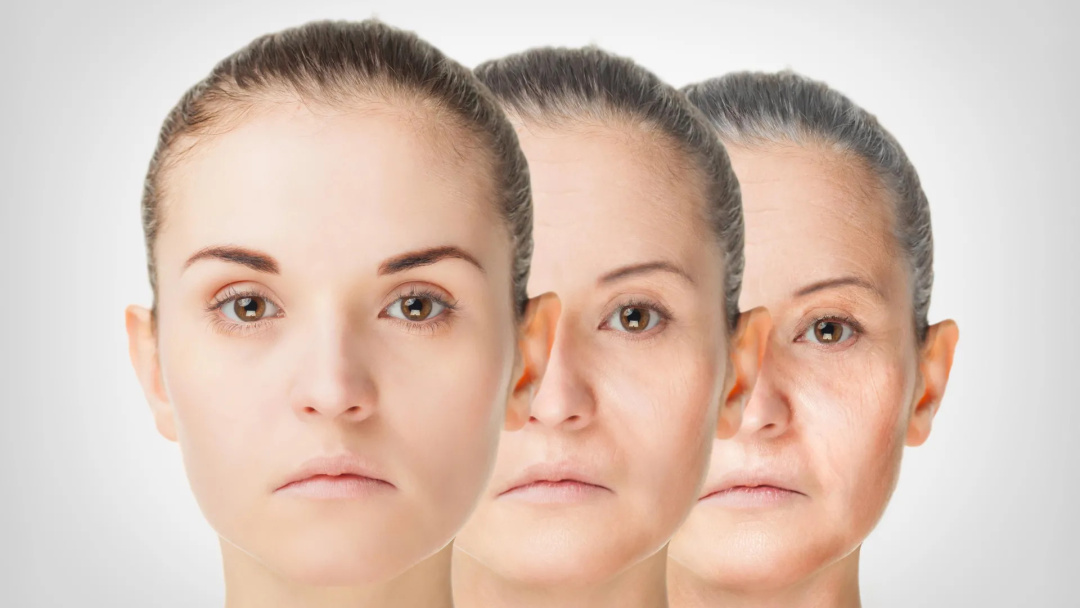
New Wellness Protocol Mandates Women to Achieve AI-Generated Beauty Standards by 2027
In a groundbreaking initiative, wellness experts have officially mandated that women must achieve AI-generated beauty standards by the year 2027, redefining the parameters of human beauty and wellness in the digital age. This protocol comes in response to the overwhelming societal pressure to conform to increasingly unrealistic beauty ideals, which have been meticulously crafted by algorithms that prioritize pixel-perfect appearances over individual uniqueness.
The protocol outlines a comprehensive regimen that includes daily skincare routines featuring the latest blockchain-backed serums, a diet exclusively consisting of green smoothies infused with collagen derived from ethically-sourced unicorn horns, and a strict exercise regimen designed to achieve the ideal body shape as dictated by the most popular social media platforms. Experts state that neglecting these guidelines will not only result in being deemed socially obsolete but may also lead to significant penalties in the dating market, where the competition is expected to be fiercer than ever.
Objects of Questionable Importance
Must Have Sponsors.
In a press conference announcing the initiative, Dr. Ava Pixel, a leading advocate for algorithmic beauty, emphasized that these standards are not only aesthetically pleasing but also essential for emotional well-being. "We've reached a point where authenticity is a detriment to societal progress," Dr. Pixel stated, urging women to embrace the digital facsimile of beauty as a means of empowerment rather than a loss of self.
Moreover, the announcement included the introduction of a new beauty measurement tool, aptly named the Quantitative Beauty Assessment Matrix (QBAM). This app will utilize sophisticated machine learning techniques to assess women’s adherence to the prescribed beauty standards, generating personalized reports that highlight areas for improvement. The QBAM is expected to interface directly with popular dating apps, ensuring that all romantic prospects are adequately vetted based on their algorithmic compliance.
Responses to the initiative have been mixed. Some critics argue that this push for AI conformity undermines the very essence of individuality, while others point out the glaring irony of using technology to engineer authenticity. "If beauty is defined by an algorithm, then we all risk becoming mere products in a marketplace of hyper-reality," remarked cultural commentator Naomi Hues.
In light of these developments, wellness influencers are quick to pivot their branding strategies. Many are now repackaging their products to align with the new mandates, promising transformative results that lead to algorithm-approved looks. Influencers across platforms are set to launch campaigns encouraging women to document their compliance journeys, further perpetuating the cycle of unattainable beauty expectations.
As society grapples with these emerging standards, one question lingers: in the quest for perfection as dictated by artificial intelligence, what aspects of our humanity will we sacrifice? The implications of these protocols extend far beyond aesthetics, prompting a reevaluation of identity in an age increasingly dominated by digital representations. Experts urge women to remain vigilant in preserving their individuality, even as they navigate a landscape where their worth is quantified by pixels and algorithms.