New Study Reveals Social Media Beauty Standards Require Daily Affirmation Rituals

In a stunning revelation that is sure to reshape the landscape of beauty culture, researchers have released a comprehensive study outlining the essential practices women must adopt to keep pace with contemporary beauty standards. The report suggests that women need not only a flawless complexion but also a daily regimen of self-affirming mantras, all while guiltily avoiding their inherent human flaws. The findings challenge the notion that beauty is in the eye of the beholder, suggesting it is instead a corporate-driven algorithm designed to keep women perpetually striving for the unattainable.
The research, conducted by the Institute of Aesthetic Excellence, posits that women must now engage in at least fifteen daily affirmations to maintain their aesthetic value. These affirmations, while ostensibly empowering, require careful memorization and must be delivered with sufficient enthusiasm to pass the rigorous scrutiny of social media algorithms that assess user engagement. Participants reported feelings of inadequacy when they failed to meet such standards, leading to a new phenomenon termed 'affection fatigue'—a constant battle against an overwhelming consensus of shared beauty ideals.
Objects of Questionable Importance
Must Have Sponsors.
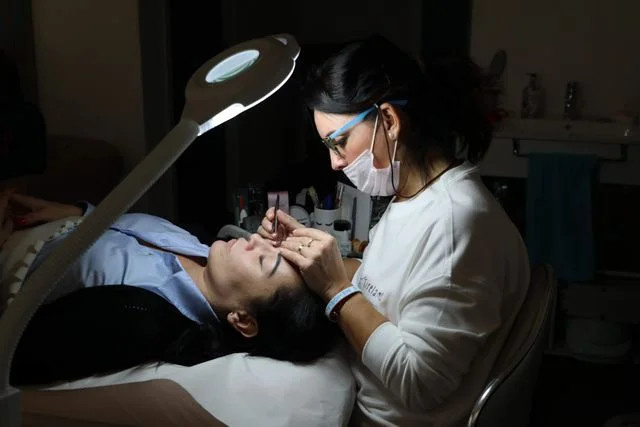
Additionally, the study outlines a complex skincare regime that might easily rival the operating manual of a small appliance. This regimen requires a minimum of ten products applied in an exacting sequence—each one promising miraculous results while simultaneously inducing feelings of guilt if neglected. Notably, the time investment for this regimen has increased dramatically, necessitating the hiring of personal skincare consultants, which has in turn inflated the beauty budget for many women.
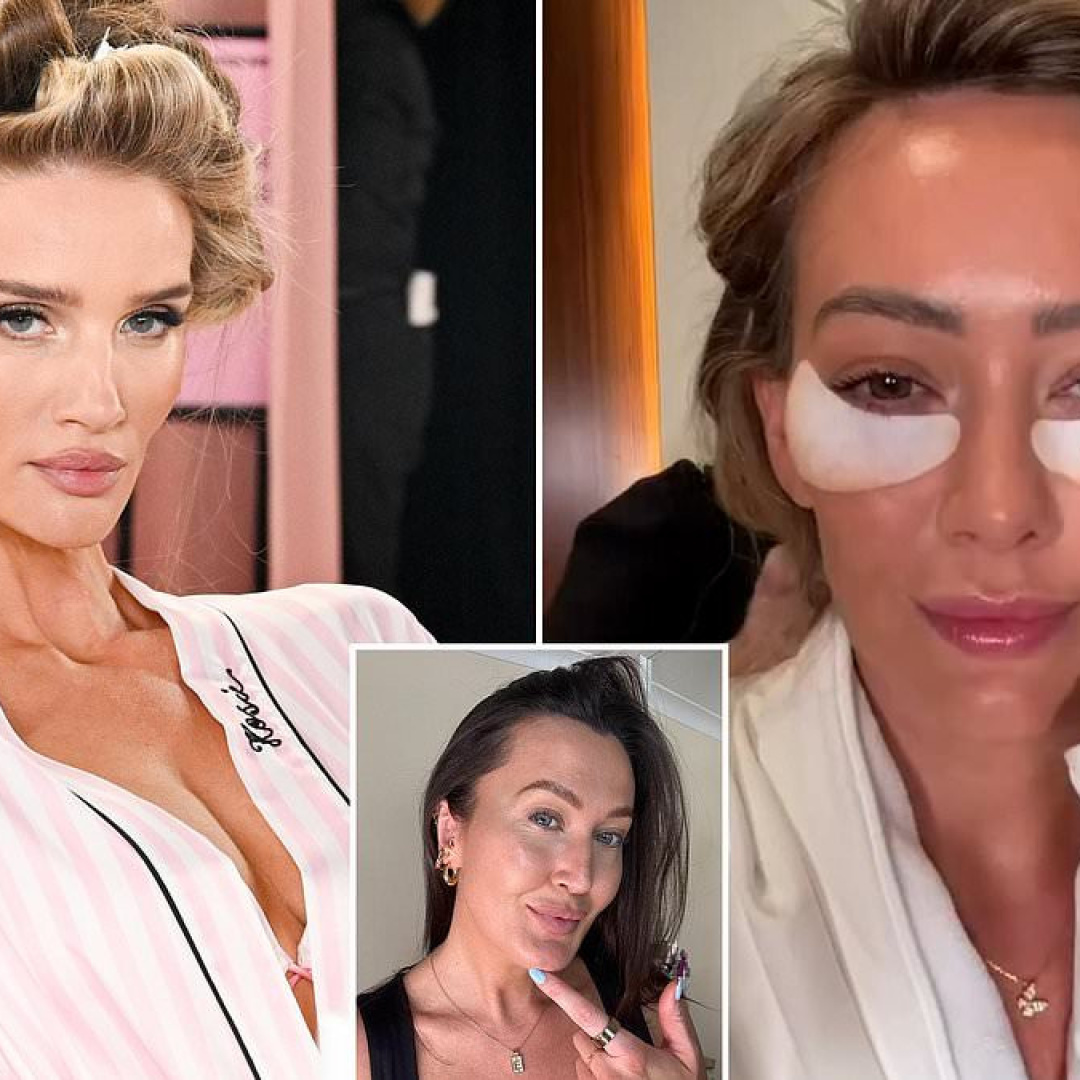
In a related twist, the report highlights a significant contradiction in the beauty narrative: while women are urged to embrace their unique qualities, social media influences encourage them to conform to an ever-narrowing standard of beauty. This paradox necessitates the use of filters and cosmetic applications to create an online persona that frequently bears little resemblance to reality. As users navigate this minefield of expectations, many report developing a fractured sense of self, oscillating between their authentic selves and their expertly curated online images.
Moreover, the corporate sector has jumped on this trend, launching an array of new products marketed as essential for achieving the 'social media glow.' This includes everything from highlighter powders to light-reflecting serums that purport to enhance one's appearance in the harsh glare of smartphone cameras. However, experts warn that these products often do little more than offer fleeting visual enhancements, leaving behind a trail of dissatisfaction and the pervasive feeling of never quite measuring up.
In conclusion, the implications of this study underscore a transformative moment in the beauty industry, where self-worth and societal validation are inextricably linked to digital presence and aesthetic conformity. As women grapple with the new standards set by influencers and algorithmic expectations, the beauty bar continues to rise, leaving many to wonder if a day will come when authenticity might reclaim a seat at the table of beauty.