Study Finds Women Overwhelmed By Skincare Recovery Kits Now Include Therapy Sessions
In an unprecedented announcement, a leading skincare research firm has reported that the modern woman, in light of the latest trends in beauty and wellness, must now consider incorporating therapy sessions into her skincare recovery regime. This revelation follows a surge in the popularity of invasive skincare treatments, such as micro-needling and laser therapies, which specifically target the psychological and physical toll of maintaining an ever-elusive beauty standard.
According to the groundbreaking study, women now face a multi-pronged approach to recovery. Post-treatment, it is not enough to rest and apply a ceramide-rich cream; a subsequent half-hour session with a licensed therapist is deemed essential. Experts suggest that discussing one’s feelings about skin redness and recovery stressors can significantly assist in the emotional transition back to social acceptability.
Objects of Questionable Importance
Must Have Sponsors.
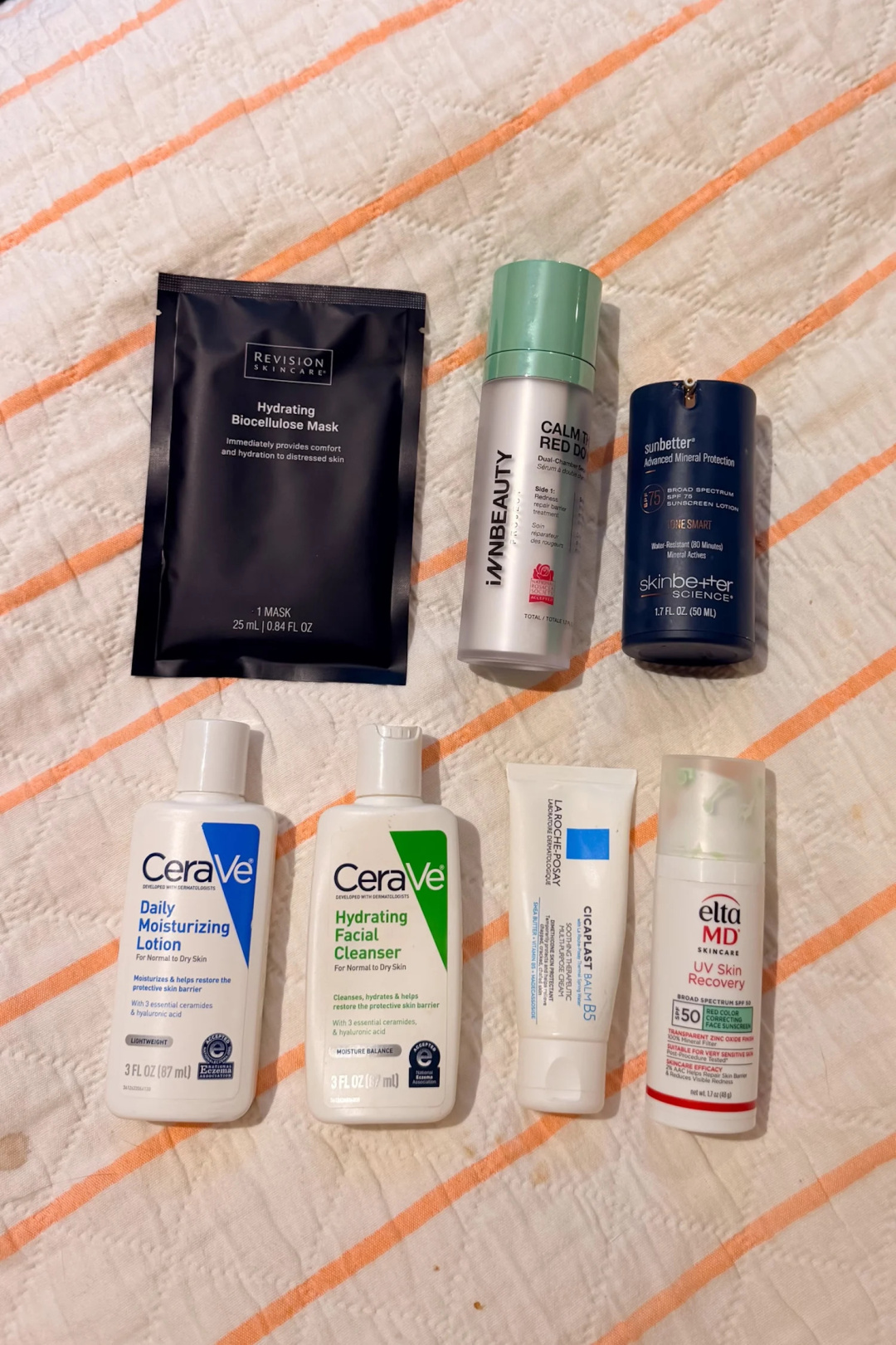
The findings indicate that women recovering from skincare treatments experience an increase in anxiety levels directly correlated with their visible skin condition. This has led to a rise in the demand for skincare recovery kits that now come with complimentary therapy session vouchers. The kits, which already contain popular items like ultra-gentle cleansers and thick healing balms, will soon include a business card for a local therapist specializing in beauty trauma.
The research further posits that while traditional skincare recovery products aim to soothe the skin, they often overlook the emotional ramifications associated with societal beauty pressures. As such, the new policy enforces a mandatory inclusion of mindfulness practices, including guided meditation and affirmations that directly address skin-related anxieties. This shift not only acknowledges the complexity of beauty but also satisfies the wellness culture’s demand for holistic approaches to self-care.
Corporate beauty brands are already scrambling to adapt to this new directive. One brand recently unveiled a skincare line dubbed "Resilient Radiance" that combines topical treatments with an app that prompts users to journal their reflections on their skin healing process. Users are encouraged to unlock badges based on their emotional responses to skin imperfections, thereby gamifying the recovery experience.
In a related development, influencers are jumping on the bandwagon, promoting the beauty of vulnerability through therapy hashtags like #HealingGlow and #TherapyAndToners. The social media discourse is shifting rapidly as women share their recovery journeys not only through skincare routines but also through mental health narratives, further complicating the already convoluted definitions of beauty.
The beauty industry now faces the challenge of meeting these heightened expectations while simultaneously ensuring products remain profitable. Analysts predict that the next wave of beauty innovations will likely include subscription boxes that offer minimum monthly skincare essentials alongside self-help audiobooks, making emotional recovery just as accessible as physical recovery.
Critics of this new trend argue that the beauty industry should not conflate skincare with mental health, cautioning against the exploitation of vulnerability for profit. However, proponents assert that acknowledging mental well-being in skincare recovery is a progressive step towards dismantling harmful beauty narratives. As the industry continues to evolve, the notable inclusion of therapy in skincare routines signifies a commitment to addressing both the skin’s surface and the psyche beneath, proving yet again that beauty truly is skin deep.