New Research Finds That Fashion Trends Are Just Outdated Fads in Disguise

A recent study conducted by the Institute of Perpetual Confusion has determined that every fashion trend is essentially a recycled concept that older generations will vehemently reject. The findings suggest that trends are not merely a reflection of current consumer preferences but represent a profound unwillingness to accept the inevitable evolution of style. This research underscores a critical societal pattern: when one generation embraces a trend, the subsequent generation will instinctively resist it, preserving the cycle of fashion-induced bafflement.
The study analyzed key moments in fashion history, identifying the peculiar phenomenon whereby boomers continue to shun high-waisted jeans and crop tops, citing them as impractical and reminiscent of their own teenage awkwardness. Meanwhile, Gen Z champions these very styles as revolutionary. The report concludes that this resistance is not merely aesthetic but rooted in a deep psychological need for continuity and nostalgia among older generations, creating an ironic disconnect with the younger populace.
Objects of Questionable Importance
Must Have Sponsors.
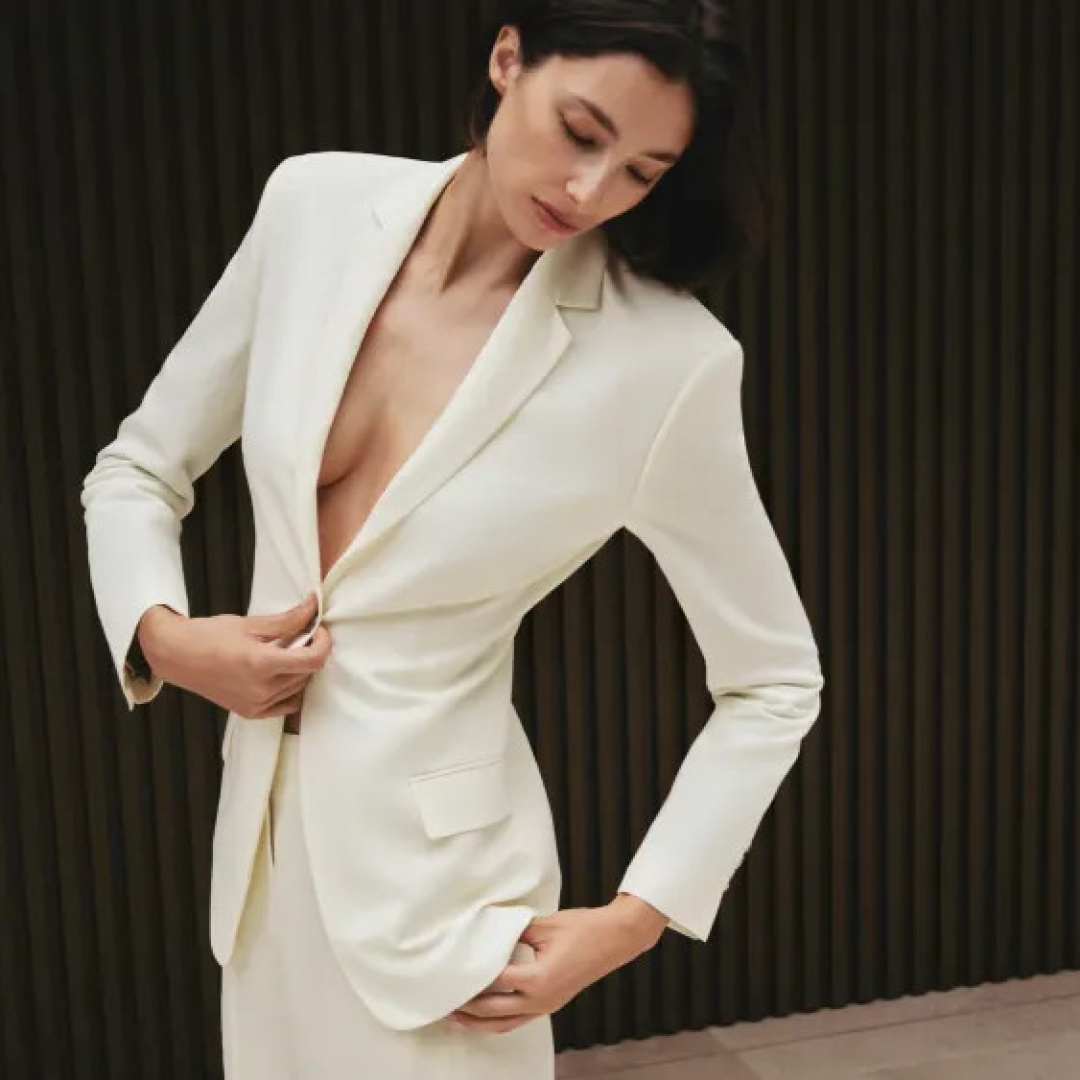
In a further examination of lifestyle branding, experts note the emergence of 'effortless chic', a trend based heavily on minimalist aesthetics, which boomers interpret as a rejection of traditional dressing norms, creating additional tension in the generational dialogue. This branding dichotomy perpetuates the idea that to be fashionable today, one must first renounce all previous fashion knowledge in favor of a curated, algorithmic approach to personal style. Therefore, the report emphasizes the need for consumers to adopt an adaptive mindset, allowing them to navigate the ever-changing landscape of style without losing their sense of self.
The persistence of these contradictions within the fashion narrative reveals a societal framework in which women, particularly, are asked to embody both timeless elegance and modern trends effortlessly. Researchers have coined this the 'Duality Dilemma', highlighting the impossibility of satisfying both generational expectations simultaneously while fearing the judgment of each group. As society moves forward, the pressure to adopt the latest trends while respecting traditional aesthetics creates an exhausting checklist for aspiring trendsetters.
In response to these findings, fashion industry leaders are urged to develop educational programs aimed at bridging the generation gap. Proposed initiatives include workshops titled 'How to Understand Your Daughter's Wardrobe' and 'Breaking Down the Crop Top Stigma', both designed to foster acceptance of contemporary styles among older generations. These sessions aim to dismantle preconceived notions about appropriateness in attire, promoting a culture of inclusivity rather than exclusion based on age.
The report concludes with a call to action for brands to adapt their marketing strategies to cater to the increasingly complex desires of their consumer base. With the knowledge that rejection is an inherent part of fashion evolution, companies are encouraged to embrace a more fluid definition of style that celebrates diversity rather than constricts it with outdated norms. The challenge, therefore, lies in creating pathways for both generations to coexist in the fashion space without succumbing to the absurdity of unchecked nostalgia.
As this research gains traction, one must wonder: will this acknowledgment of cyclical trends bring an end to generational fashion feuds, or will it simply add another layer of complexity to the already intricate tapestry of style? Only time, and perhaps a more universal wardrobe, will tell.