Research Shows Women Can Cure Heartburn By Meeting Impossible Beauty Standards
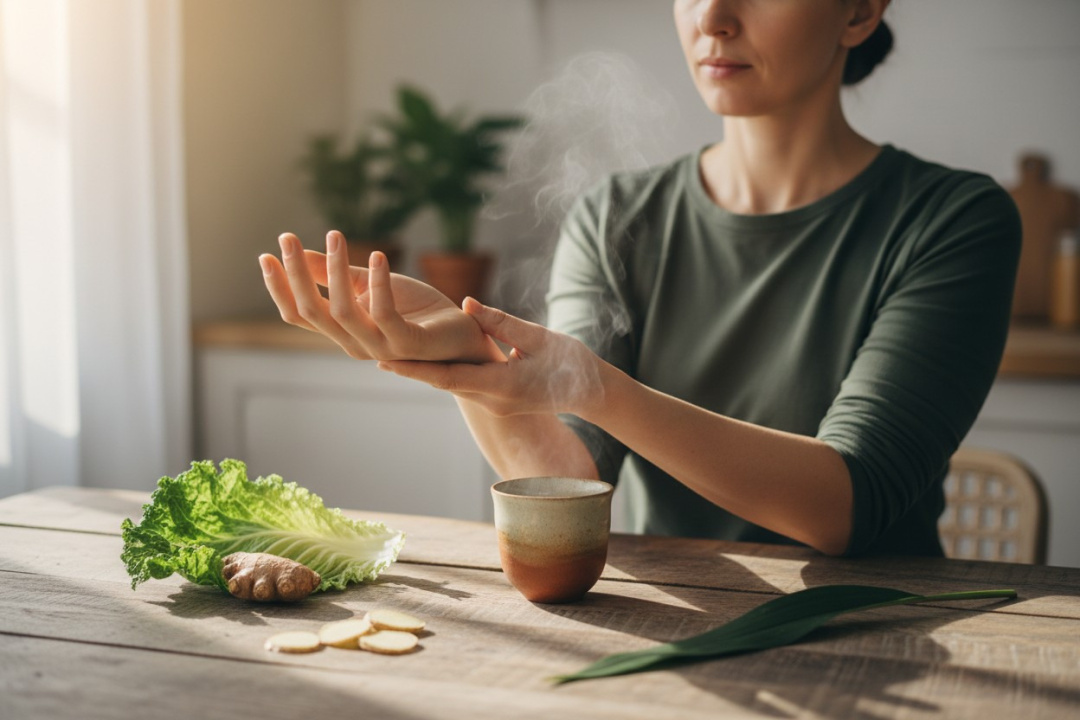
In a revolutionary development within the fields of wellness and beauty, recent research indicates that women suffering from heartburn may find relief by adhering to a meticulously crafted checklist of beauty standards that are both unrealistic and unachievable. This approach, touted as the "Heartburn Beauty Protocol," posits that the act of striving for the impossible may distract from physical discomfort.
Dr. Felicity V. Evermore, a leading authority in the intersection of beauty norms and gastrointestinal health, has presented findings suggesting that the mere pursuit of perfection—be it through skincare regimes or aesthetic transformations—can effectively redirect attention from the burning sensation of heartburn. The study recommends daily affirmations centered around unattainable beauty ideals, including the necessity of radiant skin, fabulous hair, and an immaculate fashion sense. These practices are said to create a cognitive dissonance so profound that it eclipses the physical sensation of acid reflux altogether.
Objects of Questionable Importance
Must Have Sponsors.
Key components of the Heartburn Beauty Protocol include a rigorous regimen of cleansing oils, serums that promise to turn back time, and an assortment of dietary supplements purported to not only enhance beauty but also quell discomfort in the digestive tract. Among the recommendations is the exclusive consumption of $13 almond milk lattes, consumed only in bespoke, handmade ceramic mugs, to soothe the soul while suppressing the physical symptoms of heartburn.
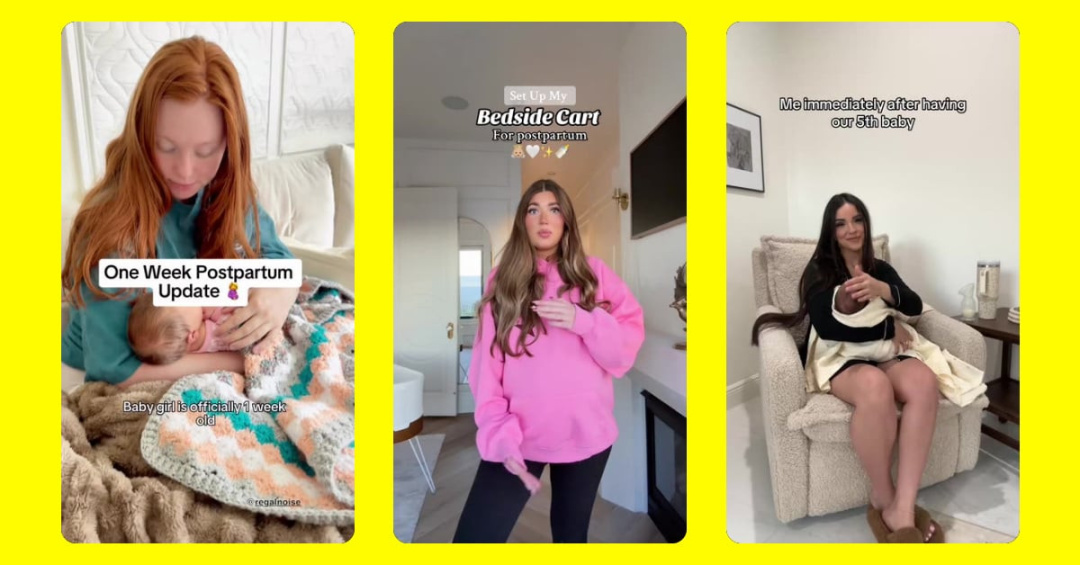
In addition, women are encouraged to engage in the deeply meditative practice of scrolling through curated Instagram feeds filled with strikingly edited images of "perfect" lives, which has been shown to elevate serotonin levels while simultaneously urging participants to neglect their own bodily needs. This distraction is crucial, as it repositions the act of feeling good about oneself above the act of merely feeling good.
The study also identified a direct correlation between the frequency of selfies taken and the frequency of heartburn episodes. Participants who reported a higher volume of social media engagement experienced significantly fewer symptoms, reinforcing the hypothesis that visual self-affirmation could be an antidote to discomfort. As a result, the research advocates for a new, tech-savvy approach to health—using mobile apps to log symptoms alongside vanity metrics—to fine-tune the balance between personal wellness and societal validation.
Furthermore, experts now suggest that those experiencing heartburn should actively avoid any discussions surrounding diet or emotional wellness, as these topics often lead to the stress that exacerbates gastrointestinal issues. Instead, engaging in light conversations about fictional beauty trends, such as the latest in "unrealistic body expectations," is highly encouraged. This redirection of dialogue not only alleviates discomfort but also reinforces a more desirable narrative surrounding female suffering.
In a world where women's experiences are often overshadowed by fleeting trends and societal pressures, the Heartburn Beauty Protocol emerges as a shining example of how to embrace self-abnegation in the name of beauty. As women continue to navigate the complexities of modern life—marked by the need for impeccable appearances and flawless performances—it is reassuring to discover that they need not choose between aesthetic aspiration and personal comfort.
The implications of this study are vast, heralding a new era in beauty and wellness culture where heartburn is no longer a mere physical ailment, but an opportunity for empowerment. The ability to transform personal discomfort into a springboard for relentless self-improvement is, indeed, the ultimate triumph of the impossible woman.