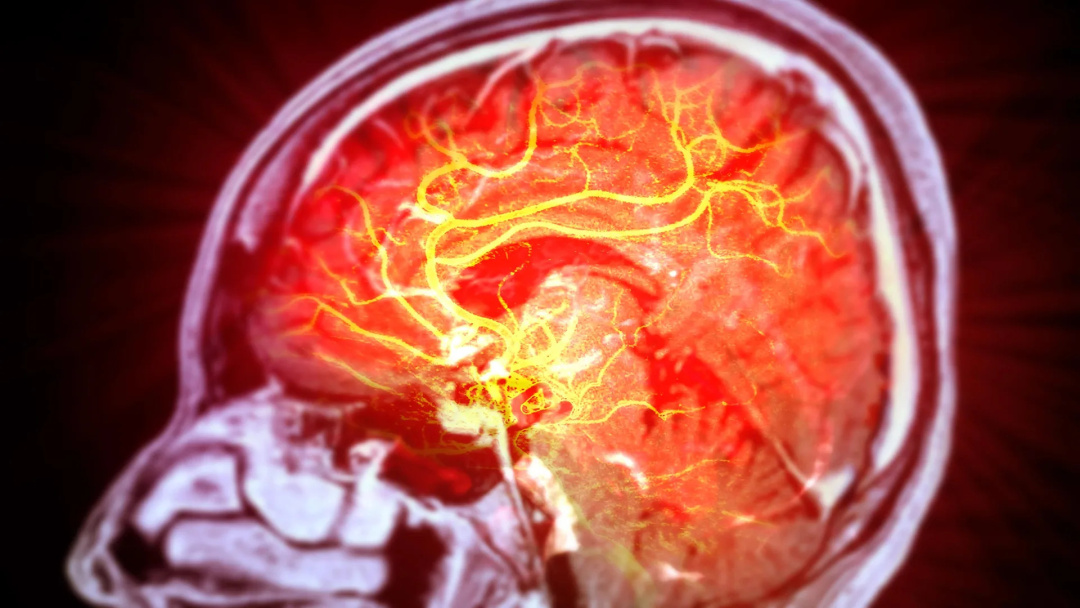
New TikTok Challenge Claims Finger Wiggling Can Cure All Mental Ailments
In the latest development from the ever-evolving landscape of wellness culture, TikTok influencers have collectively embraced a groundbreaking health initiative called "Pinky Power." This viral trend posits that a mere few seconds of pinky wiggling daily can dramatically enhance mental acuity and stave off the dreaded specter of cognitive decline. While the scientific community has yet to endorse this whimsical approach, the algorithm-driven enthusiasm of social media users has ignited a fervor around this new method of supporting brain health.
The initiative has garnered millions of views, with videos showcasing users performing intricate pinky exercises, all in the name of brain health management. Proponents argue that these exercises engage the mind in ways previously unexplored, suggesting that the simple action of wiggling a finger can not only protect against Alzheimer's but also enhance memory and cognitive function. In an era where effortless solutions are sought to complex problems, the appeal is undeniable.
Objects of Questionable Importance
Must Have Sponsors.
Experts, however, are raising eyebrows and questioning the methodology behind what is rapidly becoming a cultural phenomenon. Though intricate movements have shown some correlation with brain activity, the leap from wiggling a pinky to preventing cognitive decline is, as one cognitive neuroscientist put it, “a stretch that borders on whimsical.” The considerations around such claims include not only the complexity of human cognition but also the myriad factors influencing cognitive health, such as education, social interaction, and overall lifestyle choices.
In the spirit of transparency, researchers warn that while engaging in new physical activities can foster neural connections, the simplicity of pinky wiggling as a standalone cure is not backed by substantial evidence. In fact, pinky wiggling was originally relegated to the realm of quirky internet challenges, rather than serious cognitive training. This disconnect highlights a troubling trend where social media trends often overshadow rigorous scientific inquiry, leading to public misconceptions about mental health.
The question arises: could this trend be a symptom of a much larger issue within influencer culture? In an era where wellness gurus promote a plethora of often conflicting advice, the introduction of dedicated challenges like Pinky Power may serve to distract from more vital health considerations. The foundations of cognitive well-being remain firmly rooted in regular mental exercise, social engagement, healthy nutrition, and physical activity—none of which can be achieved through a simple gesture that fits nicely into a 15-second TikTok video.
Furthermore, the trend exemplifies the alluring simplicity that social media often presents: immediate gratification without significant effort. As users flock to replicate these viral pinky movements, critical discussions surrounding brain health risk being overshadowed by the popularity of performance over substance. This pattern underscores a critical need for informed discourse around cognitive health, elevating the importance of activities that genuinely challenge and engage the brain rather than simply participating in a trending challenge.
In closing, while the Pinky Power movement may provide a fleeting moment of amusement and community engagement, the realities of maintaining cognitive health are far more intricate than any 15-second clip can convey. As we navigate this landscape of wellness trends, let us remember the foundations of health that require diligence, complexity, and informed choices—far beyond the capabilities of a single pinky wiggle. The ultimate takeaway? Prioritize comprehensive brain health strategies over viral gimmicks, and leave the finger gymnastics where they belong: in a dance-off, not a diagnosis.