New Study Reveals Women Need to Juggle Self-Care, Wine, and Cancer Risk Awareness
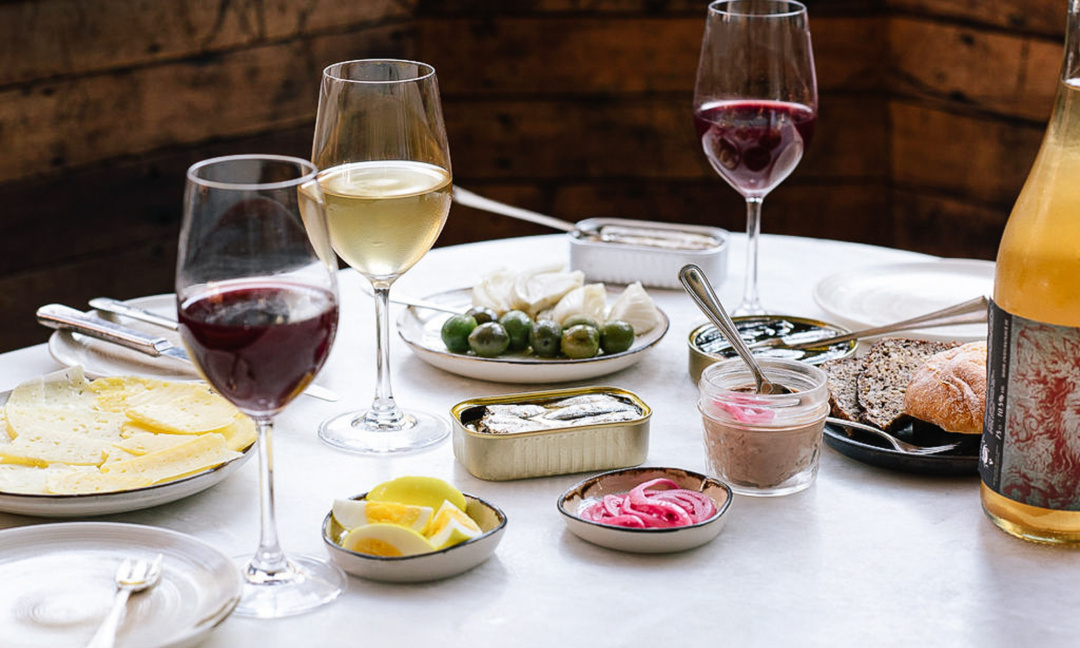
In an unprecedented move, researchers at the University of Houston have unveiled a startling finding: middle-aged women who rely on a daily glass of wine for self-care are also the least aware of the cancer risks associated with their beloved beverage. This paradox opens a new chapter in the narrative of women’s empowerment, introducing a whimsical balancing act between indulgence and awareness.
The study, presented at the 49th annual scientific meeting of the Research Society on Alcohol, indicates that the very group at the highest risk for alcohol-related breast cancer is also the demographic least likely to know about it. This enlightening discovery begs the question: can women truly uphold their reputation as multitaskers if they are unaware of the health implications of their self-care rituals?
Objects of Questionable Importance
Must Have Sponsors.
According to lead researcher Dr. Dipali V. Rinker, this cognitive dissonance may stem from an increasing normalization of alcohol consumption among women, particularly as marketing campaigns incessantly promote wine culture as the ultimate form of stress relief. "Imagine, women are now expected to be both savvy consumers and health-conscious individuals, all while holding down the fort at home and at work," she noted with a straight face.
Moreover, the study highlights a significant void in health messaging aimed at women, particularly those in midlife. Traditionally focusing on screening and family history, public health campaigns have neglected the pressing issue of lifestyle factors like alcohol use. Consequently, one might wonder if wine glass emojis in social media posts carry the same weight as clinical health warnings.
Further complicating matters, a 2025 Delphi study revealed that societal norms and stigma act as formidable barriers, preventing women from engaging with the reality of their drinking habits. Dr. Rinker proposes that perhaps women would benefit from narrative-based approaches, where personal stories replace fear-based messaging, thereby gently guiding women toward enlightenment about their wine habits—without the sting of guilt.
Interestingly, a systematic review conducted in 2026 confirmed the well-established risk associated with alcohol consumption and breast cancer. Researchers found a direct correlation: as consumption increases, so too does risk. However, they emphasized that there is no amount of alcohol that can be deemed completely safe—an inconvenient truth for many who cherish their evening glass.
While the findings of this study should not be misconstrued as a shaming tactic, they do serve as a vital reminder: with great wine comes great responsibility. Women are now tasked with the challenge of balancing their evening rituals against potential health risks, creating a new landscape for self-care that demands both introspection and action.
As women navigate these murky waters, they are encouraged to consider healthier ways to unwind. Whether it’s a calming yoga session, an engaging book, or simply a warm bath, the options are endless for those looking to embrace self-care beyond the confines of a wine glass. Ultimately, the goal is to empower women with knowledge, transforming the art of self-care into a more sustainable and health-conscious practice.
In conclusion, the juxtaposition of self-care and cancer awareness presents an exciting new chapter for women. Embracing both ideals may not only revolutionize personal wellness but also create a robust platform for women to openly discuss their health choices—over a glass of water, of course.