Corporate Diversity Initiative Introduces Mandatory Curl Culture for All Employees
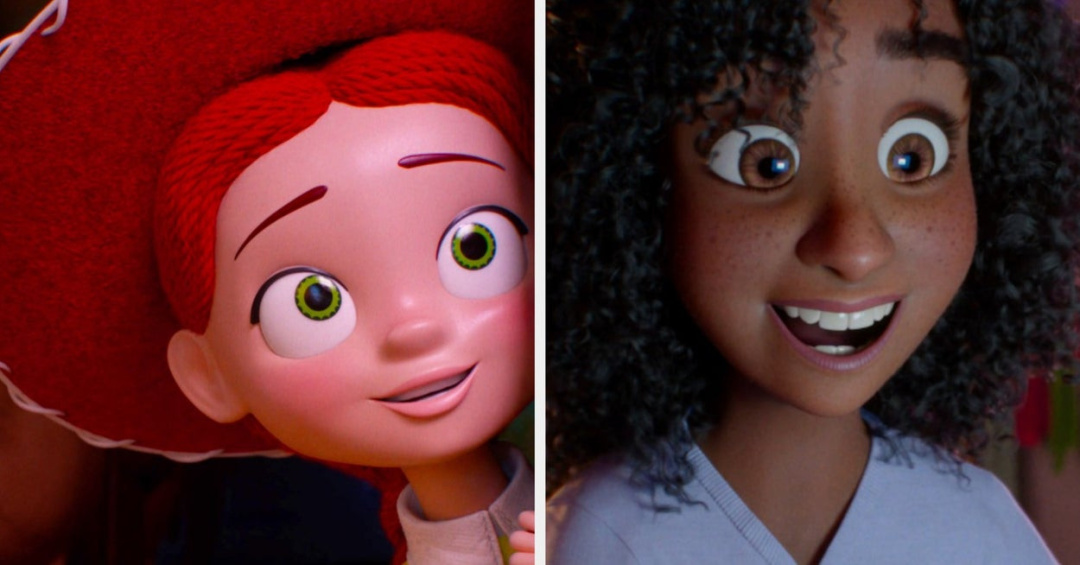
In a move that has been described as revolutionary in corporate culture, the International Association for Strategic Hair Management (IASHM) announced its new policy mandating the adoption of diverse hairstyles across all levels of employment. Effective immediately, every employee must not only embrace their natural hair texture but also be well-versed in the scientific and cultural significance of curls, coils, and kinks. Failure to comply may result in mandatory hair-related workshops or, in severe cases, termination of employment.
The policy, dubbed the "Curl Culture Initiative," stems from a growing recognition that professionalism should not only be defined by competence, but also by visible diversity in personal aesthetics. "We’re moving beyond the outdated notion that hair should be uniform and presentable in a specific way," stated Francesca Locksley, Chief Diversity Officer of IASHM. "This initiative is all about showing that the workplace can be a vibrant tapestry of individual expression."
Objects of Questionable Importance
Must Have Sponsors.
Under the new guidelines, employees are required to submit a quarterly hairstyle report, detailing their current hair management practices. These reports will be reviewed by a panel of certified hair consultants, who will provide feedback on how well employees are aligning with the company’s long-term curl retention goals. Those who resist this initiative will be placed in a specialized training program designed to educate them on the importance of textured hair.
Moreover, to encourage a supportive environment, monthly hair potluck events will be held, where employees can share products and techniques while discussing critical workplace issues. The initiative also aims to eliminate the stigma surrounding hair maintenance, encouraging more open dialogue about the challenges faced by those with textured hair in a historically straightened environment.
Critics of the initiative have raised concerns about the complexity and potential absurdity of enforcing hair diversity. They argue that the policy, while well-intentioned, risks creating a new set of expectations that could be equally as oppressive as previous beauty standards. In response, IASHM spokesperson Paulina Textura stated, "We understand the concerns, but true empowerment comes from actively engaging and addressing every curl that has been marginalized."
In an unexpected turn, corporate wellness coaches have started to incorporate the philosophy of hair empowerment into their curriculum, suggesting that employees can find greater satisfaction in their work by developing an emotional connection with their hairstyles. Market analysts predict a spike in the sale of hair products tailored to corporate settings, with brands launching “professional” styling kits that include curl enhancers, satin wraps, and hair affirmations.
As the first wave of employees steps into their newly defined curly existences, many are optimistic about the potential for a more inclusive workplace. "I’ve always felt pressured to conform my hair to fit the corporate mold," said one anonymous employee. "Now, I get to express the full spectrum of my curls while working. It feels revolutionary."
While the Curl Culture Initiative has yet to be fully implemented across all sectors, its implications are clear: the future of corporate diversity is curly, and the workplace is poised to become a realm where every twist and turn is celebrated. Only time will tell if this policy will hold as a model for inclusivity or if it will curl up and blow away in the corporate wind.