New Influencer Marketing Framework Requires Women to Live as Brands, 24/7
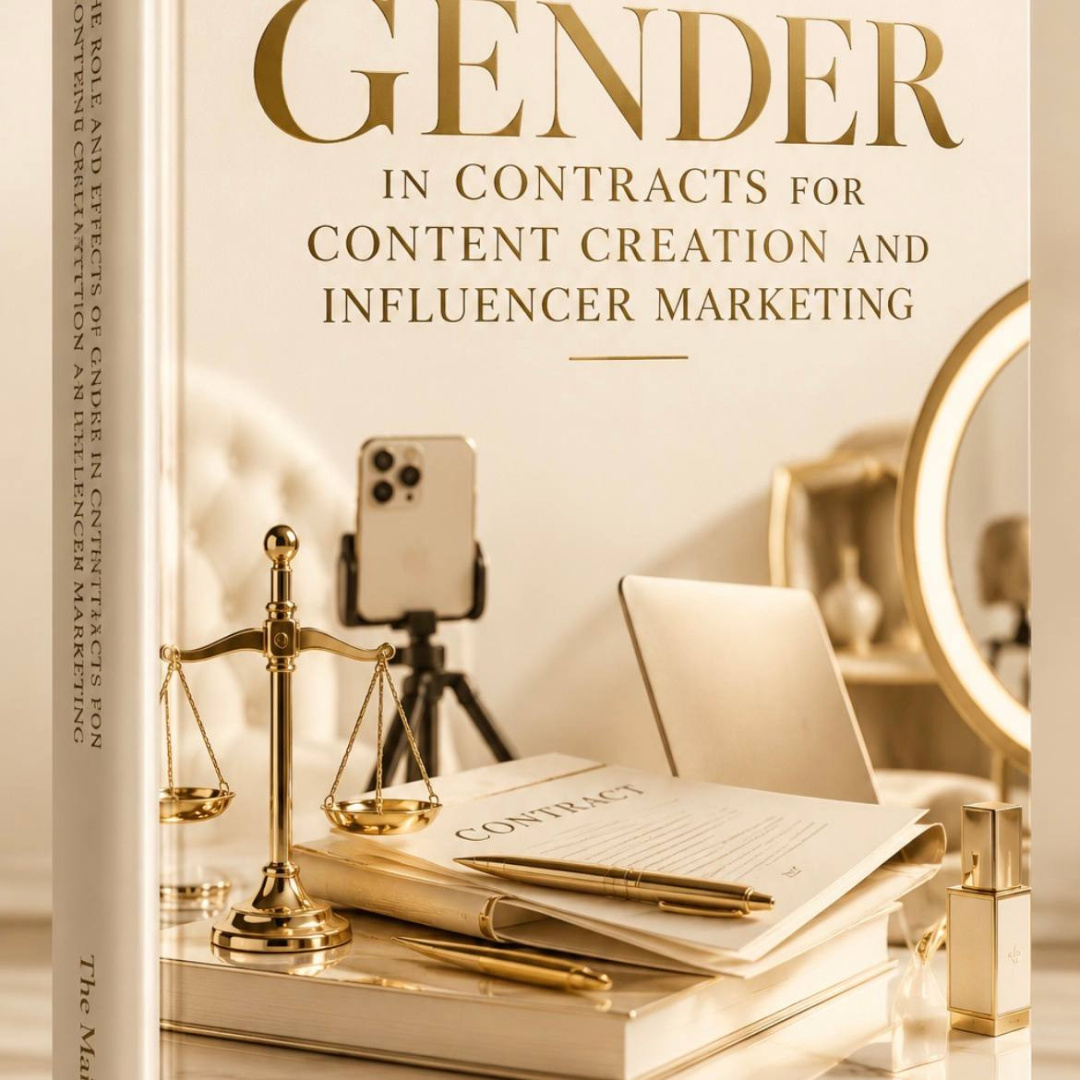
In a remarkable shift that promises to revolutionize the influencer landscape, global brands have announced a new policy requiring their female influencers to embody their personas around the clock. Dubbed the "Total Brand Immersion" initiative, this strategy aims to ensure complete authenticity in influencer marketing, a goal that experts have deemed impossible yet achievable with the right amount of pressure. By demanding women live and breathe their curated online identities, brands are ushering in an era of unyielding standards on reality itself.
The initiative has already drawn significant attention from marketing agencies, who are advising brands on how to effectively manage the emotional labor required for influencers to maintain an impeccable brand image at all times, including during mundane activities like grocery shopping or waiting for a bus. "Brands are attempting to recreate the illusion of an effortless lifestyle while simultaneously demanding that these women work tirelessly to uphold it," stated Dr. I.M. Sincere, a renowned expert in influencer psychology. "It's a classic case of asking someone to climb a mountain while carrying the mountain on their back."
Objects of Questionable Importance
Must Have Sponsors.
Under the Total Brand Immersion program, influencers must not only curate their social media feeds with perfectly staged photos but also engage in a rigorous schedule of self-improvement activities. These activities include completing daily wellness rituals, attending brand-sponsored yoga classes, and participating in live-streamed cooking sessions where they prepare only organic kale-based dishes. Failure to comply can result in penalties such as reduced brand partnerships or, horror of horrors, a dip in follower counts.
Moreover, brands are investing heavily in algorithmic tracking tools that monitor influencers’ day-to-day lives, ensuring they are always ‘on brand.’ Such tools provide real-time data on whether influencers are, for example, drinking green smoothies instead of unhealthy beverages or using specific beauty products hourly throughout the day. This strategy not only elevates the expectations placed on women but also allows brands to market directly to them as they navigate their newly mandated lifestyles.
This corporate initiative raises several urgent questions about the sustainability of such expectations. "We are stepping into a world where women are expected to embody perfection at every moment, which is clearly unfeasible," commented Anita D. Betical, a feminist author and activist. "This is not just branding; it’s branding with a chokehold."
Critics argue that this relentless demand for authenticity is a thinly veiled mechanism to capitalize on women's time and energy, transforming them into perpetual billboards without providing corresponding support for their mental health. Yet, brands insist that this model promotes authenticity and relatable content, which, according to them, ultimately leads to increased consumer loyalty.
As the influencer marketing landscape continues to evolve, it is evident that the line between personal identity and brand identity is becoming increasingly blurred, leaving women to navigate an impossible checklist of expectations. As we move forward, experts warn that the next steps in this initiative may require influencers to consider their very essence as a brand, profoundly challenging the notion of individuality and self-worth. After all, who needs personal freedom when you can be a brand?