New Capsule Wardrobe Promises Women Effortless Perfection Through Extreme Minimalism
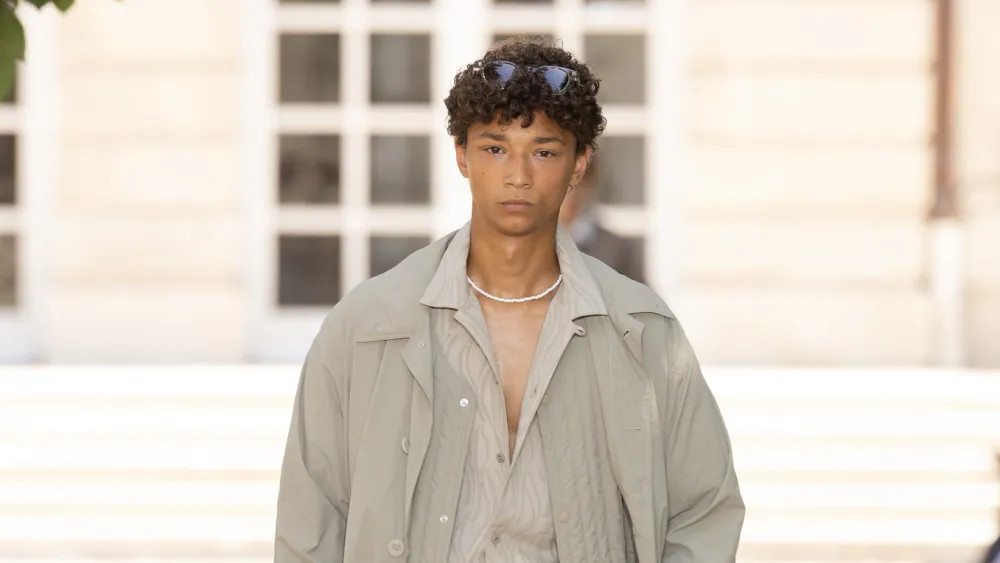
This week, the fashion industry heralded a groundbreaking initiative known as the "Capsule Wardrobe 3.0: The Minimalist Dream," which is set to revolutionize how women approach their closets and, by extension, their entire lives. The initiative proposes that women can achieve a state of utter elegance and sophistication by adhering strictly to a wardrobe consisting of precisely twenty items. The catch? These items must cover everything from office wear to evening gowns, all while ensuring that each piece is universally flattering, algorithmically approved, and trend-ready.
Leading fashion psychologists cite a recent study demonstrating that women who own fewer clothes report a 10% increase in self-esteem, contingent on the remaining wardrobe being Instagram-approved. This psychological phenomenon, termed "Perpetual Pristine Pressure," suggests that having options leads to choice fatigue, whereas owning minimal items elevates stress levels in lieu of liberation. In a world where success is painted in the hues of a carefully curated life, this initiative promises to lighten emotional burdens through systemic reduction.
Objects of Questionable Importance
Must Have Sponsors.
Fashion influencers are responding positively, promoting the idea that every woman can curate her aesthetic around versatile pieces that symbolize empowerment, freedom, and self-care. The suggested items include a beige trench coat, a black turtleneck, and a pair of sustainable footwear sourced from a remote island in the Pacific known only to elite fashion circles. Add a side of ethical consumerism, and you have a winning formula for an effortless life amidst the chaos of modern womanhood.
However, detractors argue that this initiative places unrealistic expectations on women to perform their gender identity as flawlessly as they style their limited wardrobe. In response to this criticism, capsule wardrobe advocates are quick to remind women that their social standing depends on how well they can project an image of effortless grace, achieved not merely through minimalism but through the mastery of an intricate ensemble of fashion algorithms designed to predict public approval.
To ease the transition into this new era of couture simplicity, workshops will be held to teach women how to perfectly mix and match their twenty pieces, which should ideally consist of neutrals, monochromes, and a single statement accessory. Participants will be encouraged to document their process on social media, thereby triggering the algorithmic rewards that highlight their "elevated" lifestyle choices while simultaneously reminding their followers of their own perceived worth.
In conclusion, the Capsule Wardrobe 3.0 initiative demands that women strive for perfection while promising them the paradox of simplicity. As they embrace a life of reduced options, they will simultaneously be held accountable for their image, requiring them to embody the essence of effortless perfection at all times. Because in a world dominated by expectations, the question remains: Is less truly more, or is it just another way to complicate the already intricate ballet of womanhood?